
New Algorithm Inspired by Insect Behavior
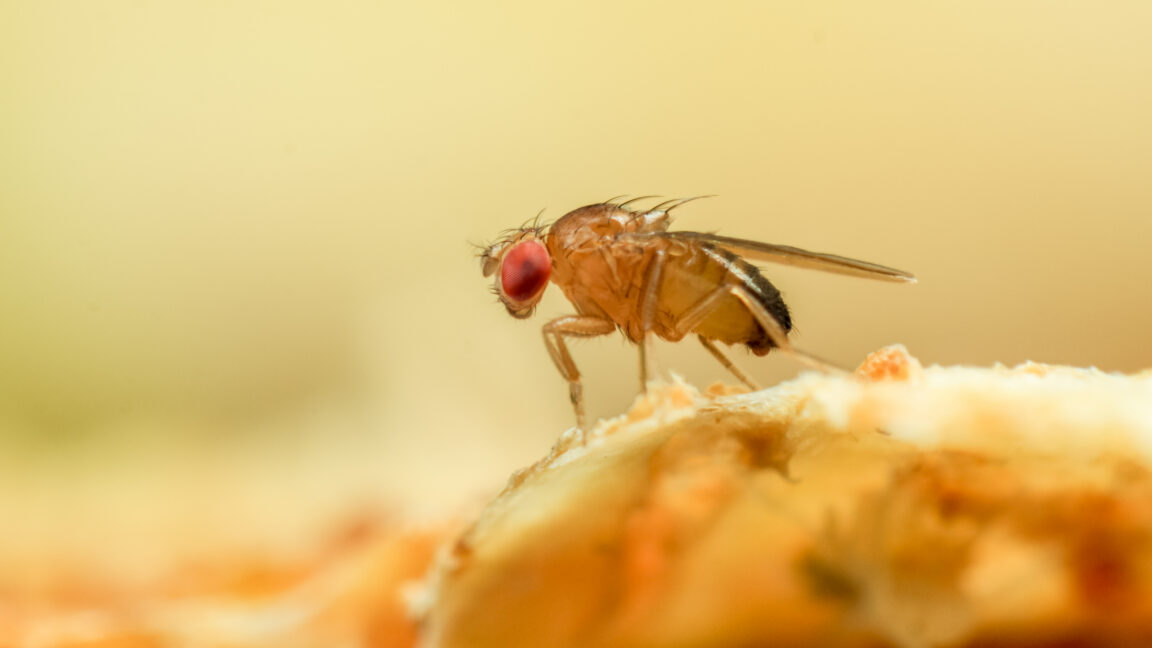
A new algorithm based on insect behavior can learn quickly and retain old information. This technology has potential applications in machine learning and artificial intelligence.
Researchers have developed a new algorithm inspired by the behavior of insects, such as fruit flies. This algorithm, known as sparse coding, allows for fast learning and avoids a common problem in machine learning known as catastrophic forgetting. Catastrophic forgetting occurs when a machine learning model forgets previously learned information after being trained on new data. The new algorithm is designed to mimic the way insects process and retain information, allowing it to learn quickly and retain old scents or patterns.
The sparse coding algorithm has potential applications in a variety of fields, including artificial intelligence and machine learning. It could be used to improve the performance of machines and computers, allowing them to learn and adapt more quickly and effectively. The development of this algorithm is a significant step forward in the field of machine learning, and it has the potential to lead to major breakthroughs in the coming years.
The researchers who developed the algorithm are excited about its potential and are already working on ways to apply it in real-world situations. They believe that the algorithm could be used in a variety of applications, from image recognition to natural language processing. With its ability to learn quickly and retain old information, the sparse coding algorithm has the potential to revolutionize the field of machine learning and artificial intelligence.
Go Deeper
What is catastrophic forgetting?
Catastrophic forgetting is a problem in machine learning where a model forgets previously learned information after being trained on new data. This can happen when a model is trained on a new task or dataset, and it forgets the information it learned from previous tasks or datasets.
How does the sparse coding algorithm work?
The sparse coding algorithm is inspired by the behavior of insects, such as fruit flies. It uses a sparse coding technique to process and retain information, allowing it to learn quickly and retain old patterns or scents.
What are the potential applications of the sparse coding algorithm?
The sparse coding algorithm has potential applications in a variety of fields, including artificial intelligence and machine learning. It could be used to improve the performance of machines and computers, allowing them to learn and adapt more quickly and effectively.
How does the sparse coding algorithm mimic insect behavior?
The sparse coding algorithm is designed to mimic the way insects process and retain information. Insects, such as fruit flies, are able to learn and retain information quickly, and the algorithm uses a similar approach to process and retain information.
What are the potential benefits of the sparse coding algorithm?
The potential benefits of the sparse coding algorithm include improved performance in machine learning and artificial intelligence, faster learning and adaptation, and the ability to retain old information and patterns.
More technology
 technology
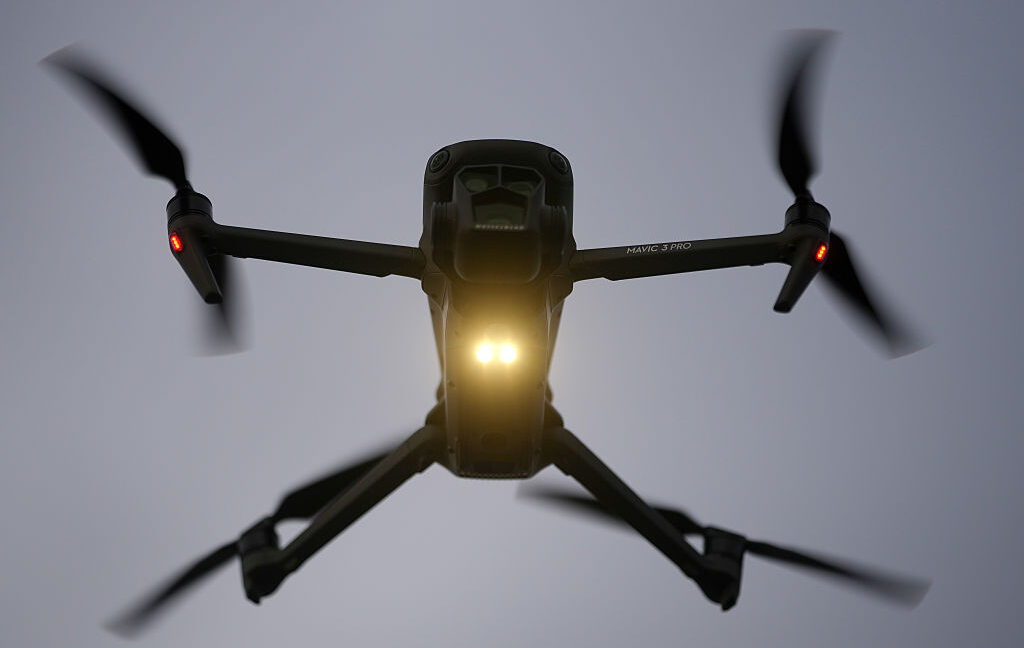
US Imposes 100% Tariff on Drones
The US has imposed a 100% tariff on drones, sparking concerns about the impact on the industry. Critics warn that the move could lead to higher prices
Sep 4 technology
US Senator Seeks NSA Guidance on Choosing a VPN
A US senator has asked the National Security Agency for guidance on selecting a virtual private network. The senator is seeking help in navigating the
Sep 4 technology
150 Research Primates Fall Ill, Damaging Lab and Vaccine Data
A lab housing research primates experienced a diarrheal outbreak affecting 150 animals, resulting in damage to the facility and loss of valuable vacci
Sep 4