
5 Louisiana Residents Die from Flesh-Eating Bacteria Infections

Five Louisiana residents have died from flesh-eating bacteria infections out of nine reported cases this year. The infections reflect a steady increase in rate and severity.
Five of the nine Louisiana residents infected with flesh-eating bacteria in 2026 have died. The increase in infections and severity is a concern.
According to reports, the nine residents were infected with the bacteria, resulting in five fatalities. The remaining four residents are being treated for their infections.
Go Deeper
What is flesh-eating bacteria?
Flesh-eating bacteria, also known as necrotizing fasciitis, is a rare but serious infection that destroys tissue under the skin. It can be caused by several types of bacteria, including Group A Streptococcus.
How is flesh-eating bacteria spread?
Flesh-eating bacteria can be spread through open wounds, cuts, or scrapes that come into contact with contaminated water or soil. It can also be spread through contact with an infected person's bodily fluids.
What are the symptoms of flesh-eating bacteria?
Symptoms of flesh-eating bacteria include severe pain, swelling, and redness around the affected area. The skin may also become discolored, and blisters or ulcers may form.
Can flesh-eating bacteria be treated?
Yes, flesh-eating bacteria can be treated with antibiotics and surgery to remove the infected tissue. Early treatment is crucial to preventing serious complications and improving outcomes.
How common is flesh-eating bacteria in Louisiana?
While the exact incidence of flesh-eating bacteria in Louisiana is not specified, the state's warm and humid climate may contribute to a higher risk of infection. Residents are advised to take precautions to prevent infection, such as practicing good wound care and avoiding contact with contaminated water or soil.
More us
 us
usMan Charged with Arson in Spokane
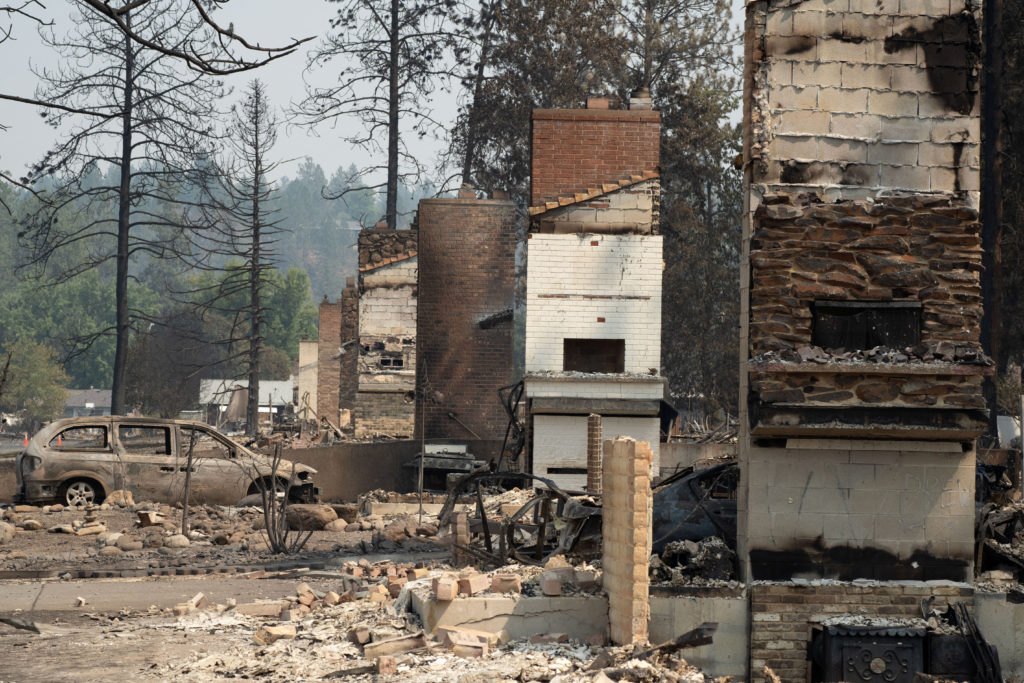
A man accused of starting a wildfire in Spokane has been charged with arson. He confessed to a county detective and described his planning process.
Aug 7 us
usFAA orders inspections of 737 Max jets
The Federal Aviation Administration has ordered inspections of hundreds of Boeing 737 Max jets. The inspections come after cracks were found in parts
Aug 7 us
usTrump Denies Reports of US Munitions Shortage
President Trump denied reports of US munitions shortages on Thursday. He expressed satisfaction with Defense Secretary performance.
Aug 6