
China Seeks Global Leadership in AI Regulation

China is making an effort to become the global leader in regulating artificial intelligence. The move comes as the world tries to figure out how to regulate the rapidly evolving technology.
China has made a significant move to position itself as the global leader in regulating artificial intelligence. The country's effort comes at a time when the world is struggling to keep up with the rapid development of AI technology. As AI continues to advance at a lightning-fast pace, governments and organizations around the world are trying to determine the best way to regulate it. China's play for leadership in this area could have significant implications for the future of AI regulation.
The need for AI regulation is becoming increasingly pressing as the technology becomes more pervasive in everyday life. From virtual assistants to self-driving cars, AI is being used in a wide range of applications. However, as its use expands, so do concerns about its potential risks and consequences. Effective regulation will be crucial to ensuring that AI is developed and used in a way that benefits society as a whole.
China's bid for leadership in AI regulation is likely to be watched closely by other countries and organizations. The country's approach to regulation could potentially serve as a model for others to follow, or it could spark a debate about the best way to regulate AI.
Go Deeper
What is driving the need for AI regulation?
The rapid development and increasing use of AI in everyday life is driving the need for regulation. As AI becomes more pervasive, concerns about its potential risks and consequences are growing.
What are some potential risks associated with AI?
Some potential risks associated with AI include job displacement, bias in decision-making, and the potential for AI systems to be used in ways that are harmful to individuals or society.
How might China's approach to AI regulation influence other countries?
China's approach to AI regulation could potentially serve as a model for other countries to follow, or it could spark a debate about the best way to regulate AI. Other countries may choose to adopt similar regulations or develop their own approaches.
What are some of the challenges associated with regulating AI?
Some of the challenges associated with regulating AI include balancing the need to protect society with the need to encourage innovation, and developing regulations that are flexible enough to keep pace with the rapid evolution of AI technology.
Who else is involved in efforts to regulate AI?
A range of organizations and countries are involved in efforts to regulate AI, including governments, industry groups, and non-profit organizations. These efforts are likely to continue and evolve in the coming years as AI technology continues to advance.
More technology
 technology
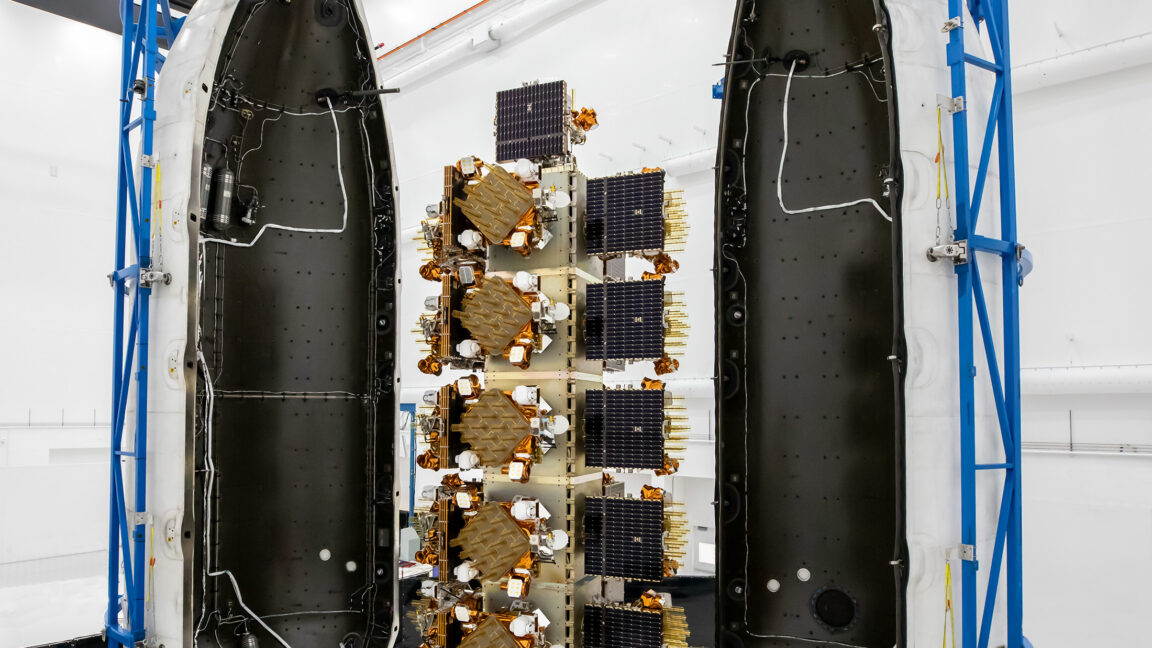
Pentagon's Space Development Agency Works to Enhance Joint Force Capabilities
The Space Development Agency is working to develop space-based systems to support the joint force. Operation Epic Fury is an ongoing effort that invol
Jul 21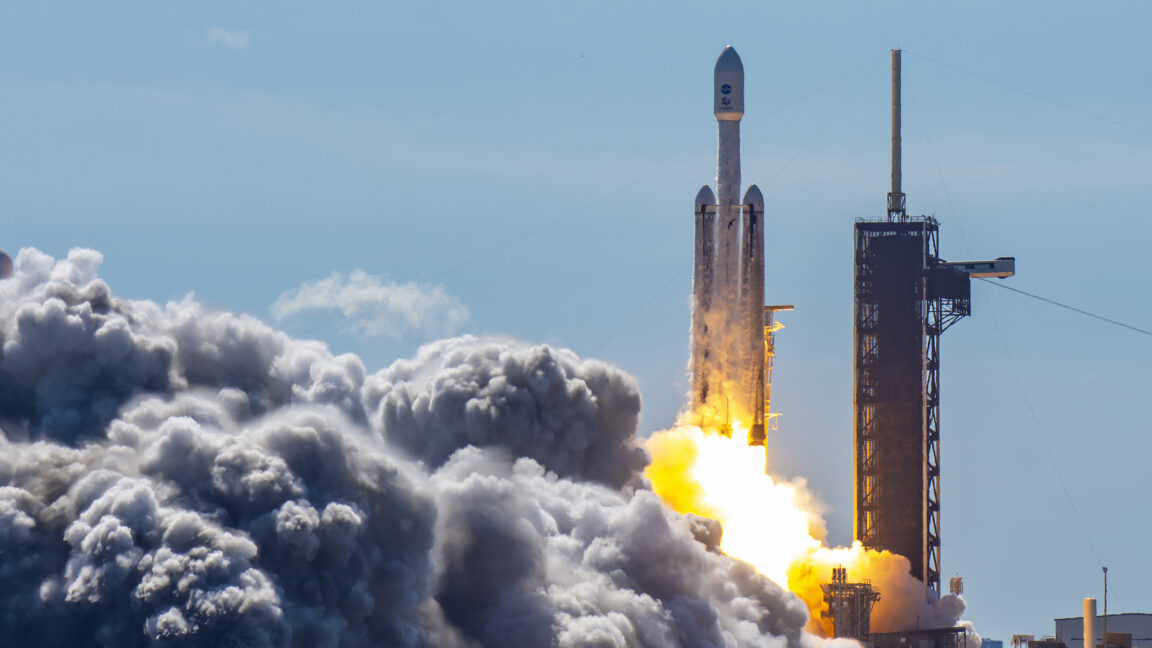 technology
Space Force Seeks Up to $30 Billion in Rocket Launches
The Space Force is seeking to buy up to $30 billion in rocket launches. This move is expected to support the administration's space-related initiative
Jul 21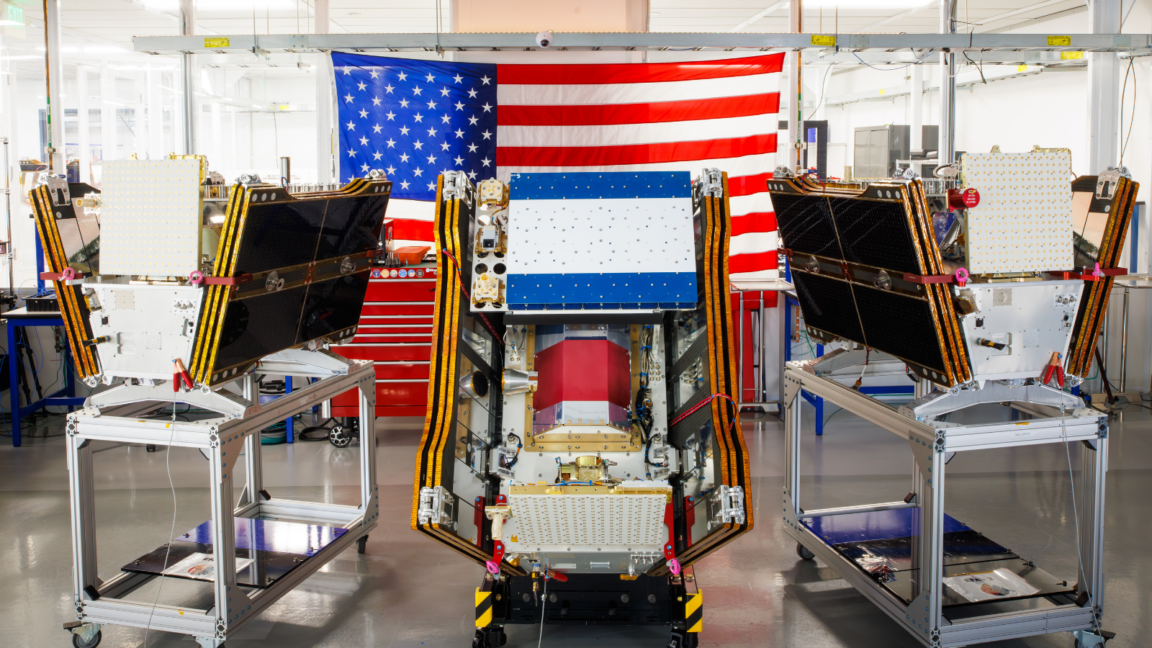 technology
Google-Backed Satellites Launch to Detect Wildfires
A new satellite program has launched to detect wildfires in the US and Canada. The program, backed by Google, aims to spot fires that other satellites
Jul 21