
CPI rose at 2.7% annual rate in December
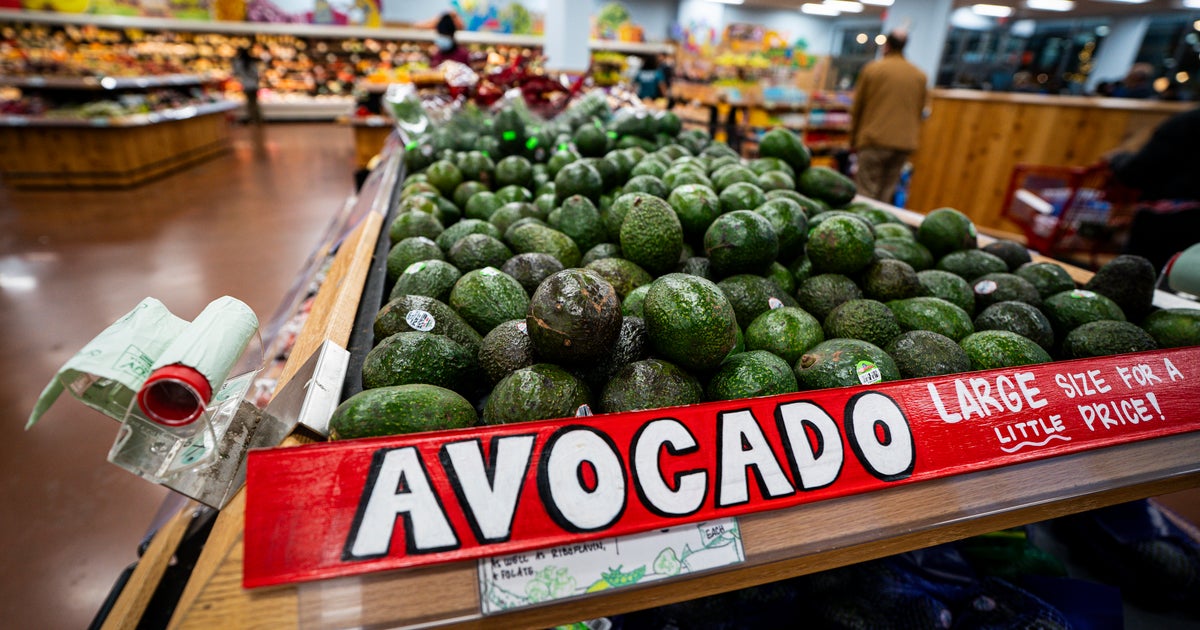
The Consumer Price Index increased at a 2.7% annual rate in December. Inflation remains a concern due to high food prices and other costs.
The Consumer Price Index rose at a 2.7% annual rate in December. This increase reflects the ongoing pressure consumers face from high food prices and other costs. Although there are signs that inflation is starting to ease, these costs continue to affect consumers. The rate of inflation has been a concern for some time, with various factors contributing to its persistence. As the economy continues to evolve, it's likely that inflation will remain a key issue to watch. The impact of inflation on consumer spending and the overall economy will be important to monitor in the coming months.
Go Deeper
What is the Consumer Price Index?
The Consumer Price Index, or CPI, is a measure of the average change in prices of a basket of goods and services. It's used to track inflation and understand how prices are changing over time.
Why is inflation considered 'sticky'?
Inflation is considered 'sticky' because it has remained at elevated levels for some time, despite expectations that it would decrease. This persistence can be due to various factors, including supply chain issues and strong consumer demand.
How do high food prices contribute to inflation?
High food prices are a significant contributor to inflation because food is a essential item that people buy regularly. When food prices rise, it can have a big impact on the overall inflation rate, as people have to spend more money on basic necessities.
What signs suggest that inflation is starting to ease?
There are several signs that suggest inflation may be starting to ease, including a slowdown in the rate of price increases and decreases in certain commodity prices. However, it's still too early to tell if this trend will continue.
How will inflation affect consumer spending?
Inflation can affect consumer spending by reducing the purchasing power of money. As prices rise, people may have to cut back on discretionary spending or make tough choices about which essential items to buy. This can have a ripple effect throughout the economy, impacting businesses and economic growth.
More us
 us
usWashington Man Arrested on Arson Charge
A man in Washington state was arrested and charged with arson. The charge is connected to the Old Trails Fire in the Spokane area.
Aug 4 us
usIran Talks to Oman About Strait of Hormuz
Iran is in discussions with Oman regarding the Strait of Hormuz. The United States has expressed interest in reopening the strait.
Aug 3 us
usLindsay Clancy Murder Trial Resumes
The trial of Lindsay Clancy, who is accused of killing her three children, has entered its second week. The trial resumed with more testimony about th
Aug 3