
Dogs' Brain Activity Patterns Differ for Emotions
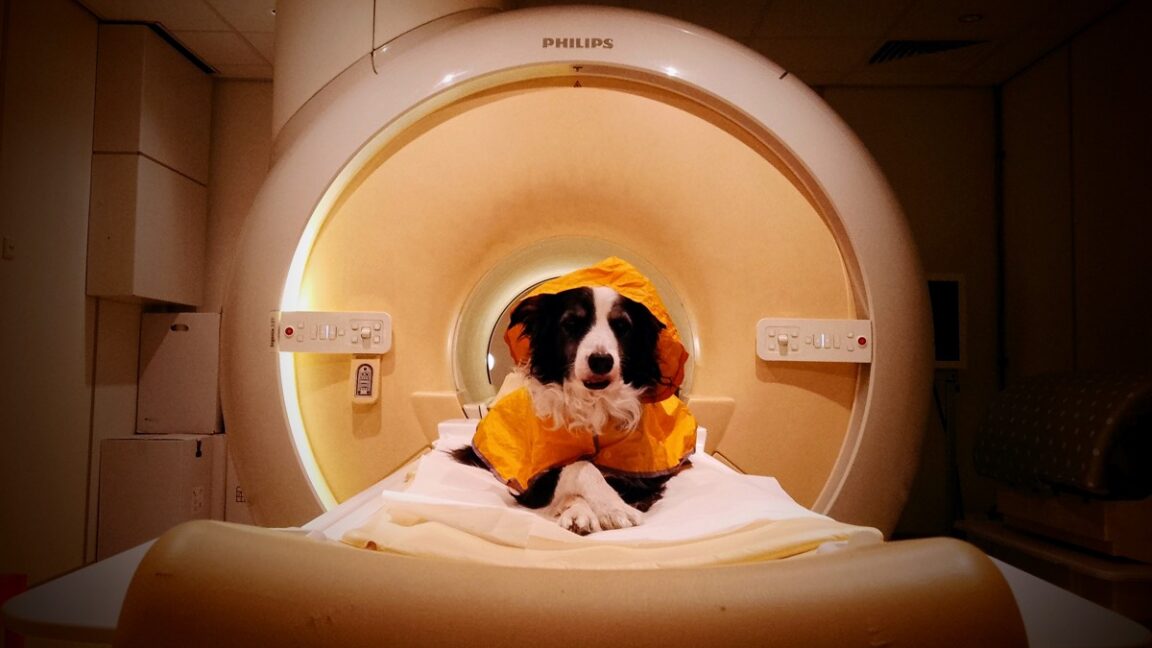
Research using fMRI scans found distinct brain activity patterns in dogs for emotions like happiness, fear, anger, and sadness. This suggests dogs may be able to detect these emotions in humans.
A recent study utilized fMRI scans to examine the brain activity of dogs when they experience different emotions. The results showed that happiness, fear, anger, and sadness each have unique brain activity patterns in dogs. This discovery implies that dogs may be capable of recognizing these emotions in humans.
The study's findings are based on the analysis of brain activity patterns in dogs. By comparing the patterns associated with various emotions, researchers can better understand how dogs perceive and respond to human emotions.
The ability of dogs to detect human emotions has long been observed by dog owners and researchers alike. This study provides scientific evidence to support the idea that dogs are highly attuned to human emotional states.
Go Deeper
How did the study use fMRI scans on dogs?
The study used fMRI scans to examine the brain activity of dogs when they experience different emotions, allowing researchers to identify distinct patterns for happiness, fear, anger, and sadness.
What do the findings suggest about dogs' ability to detect human emotions?
The findings suggest that dogs may be able to detect human emotions like happiness, fear, anger, and sadness, as they have unique brain activity patterns for these emotions.
How might this research impact our understanding of dog-human relationships?
This research could deepen our understanding of how dogs perceive and respond to human emotional states, potentially strengthening the bond between dogs and their owners.
What other emotions might dogs be able to detect in humans?
While the study focused on happiness, fear, anger, and sadness, it is possible that dogs may also be able to detect other emotions, such as surprise or excitement.
Could this research lead to new training methods for dogs?
Yes, a better understanding of how dogs detect and respond to human emotions could lead to the development of new training methods that take advantage of this ability, such as training dogs to provide emotional support.
More technology
 technology
2026 Subaru Outback Released
Subaru has released the 2026 Outback, which retains many features of its predecessors. The new model offers a great interior and a refined drive.
Aug 10 technology
Researcher Acquires Noreply.net Domain, Receives Sensitive Information
A researcher purchased the noreply.net domain and began receiving confidential emails from companies. This incident highlights the risks of sending se
Aug 10 technology
Chinese Rocket Explodes During Flight
A Chinese workhorse rocket exploded in flight, raising concerns about the country's space program. The cause of the failure is still unknown, but it c
Aug 10