
Dolly Parton Kept Cancer Diagnosis Private

Dolly Parton had been battling cancer before her death, a fact she kept private. This has raised questions about the stigma surrounding cancer diagnoses and why some patients choose not to share their conditions with others.
Dolly Parton, the renowned American singer, songwriter, and actress, had been privately battling cancer before her death. The fact that she kept her diagnosis private has sparked discussions about the reasons behind patients choosing to hide their health struggles. Some patients may feel a sense of shame or embarrassment about their condition, while others may worry about how their loved ones will react to the news. The stigma surrounding cancer and other serious illnesses can be a significant factor in a patient's decision to keep their diagnosis private. By keeping her cancer diagnosis private, Dolly Parton's experience highlights the complex emotions and concerns that patients may face when dealing with a serious health issue.
The decision to disclose a cancer diagnosis is a personal one, and patients may have various reasons for choosing to share or not share their condition with others. For some, keeping their diagnosis private may be a way to maintain a sense of control and normalcy in their lives, while for others, sharing their experience may be a way to raise awareness and support for their condition. Dolly Parton's private battle with cancer serves as a reminder that patients' experiences and decisions regarding their health are unique and deserving of respect and understanding.
Dolly Parton's legacy as a talented artist and philanthropist continues to inspire and influence many people around the world. Her private battle with cancer may also serve to raise awareness about the importance of supporting patients and their families as they navigate the challenges of a serious illness.
Go Deeper
Why do some patients choose to keep their cancer diagnoses private?
Patients may choose to keep their cancer diagnoses private due to feelings of shame or embarrassment, concerns about how others will react, or a desire to maintain control and normalcy in their lives.
What are some common reasons for the stigma surrounding cancer diagnoses?
The stigma surrounding cancer diagnoses can be attributed to various factors, including fear, misinformation, and societal attitudes towards serious illnesses. Education and awareness about cancer can help reduce stigma and promote support for patients and their families.
How can we support patients who are dealing with a serious health issue like cancer?
We can support patients by being respectful of their decisions regarding their health, offering emotional support and understanding, and providing access to resources and information about their condition.
What can be done to raise awareness and reduce stigma surrounding cancer diagnoses?
Raising awareness about cancer through education and advocacy can help reduce stigma and promote support for patients and their families. Sharing personal experiences and stories can also help raise awareness and promote understanding.
Why is it important to respect patients' decisions regarding their health?
Respecting patients' decisions regarding their health is important because it acknowledges their autonomy and dignity. By respecting patients' choices, we can help promote a sense of control and normalcy in their lives, which is essential for their well-being and quality of life.
More health
 health50+
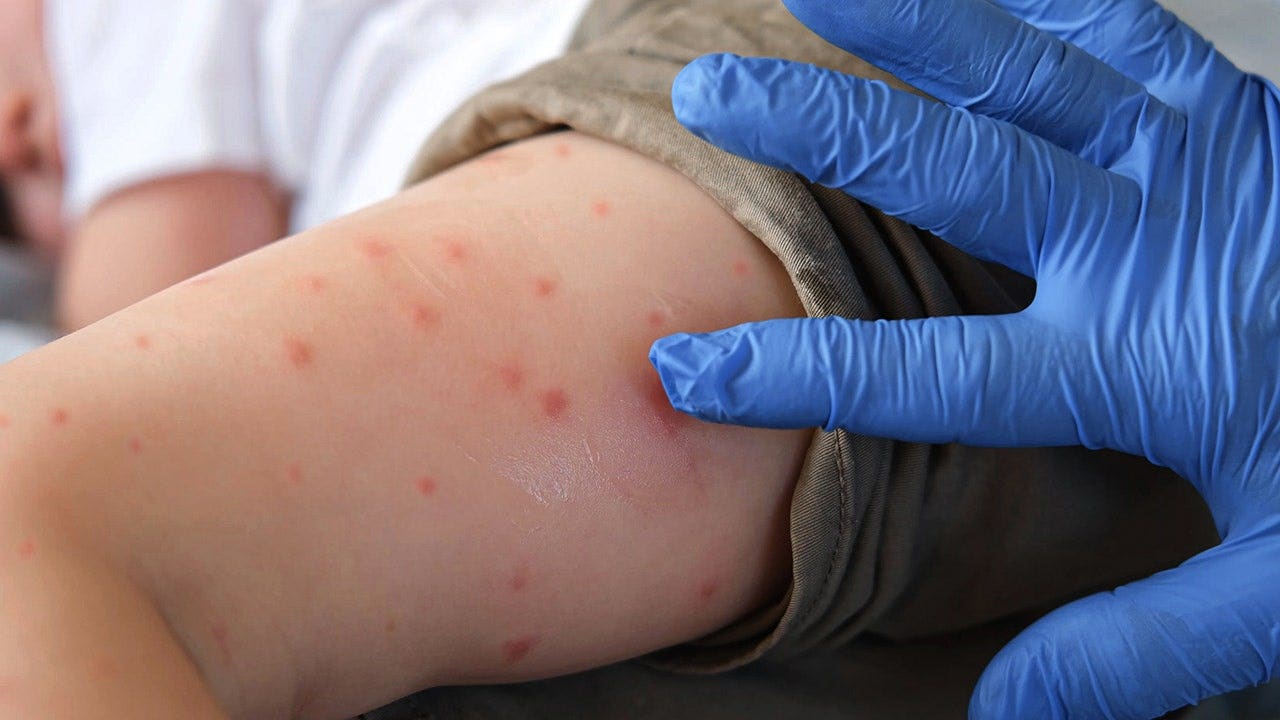
Pennsylvania confirms two measles deaths in unvaccinated Lancaster residents
Pennsylvania health officials said two unvaccinated people in Lancaster County died of measles, the state's first measles deaths in 35 years and the f
Aug 26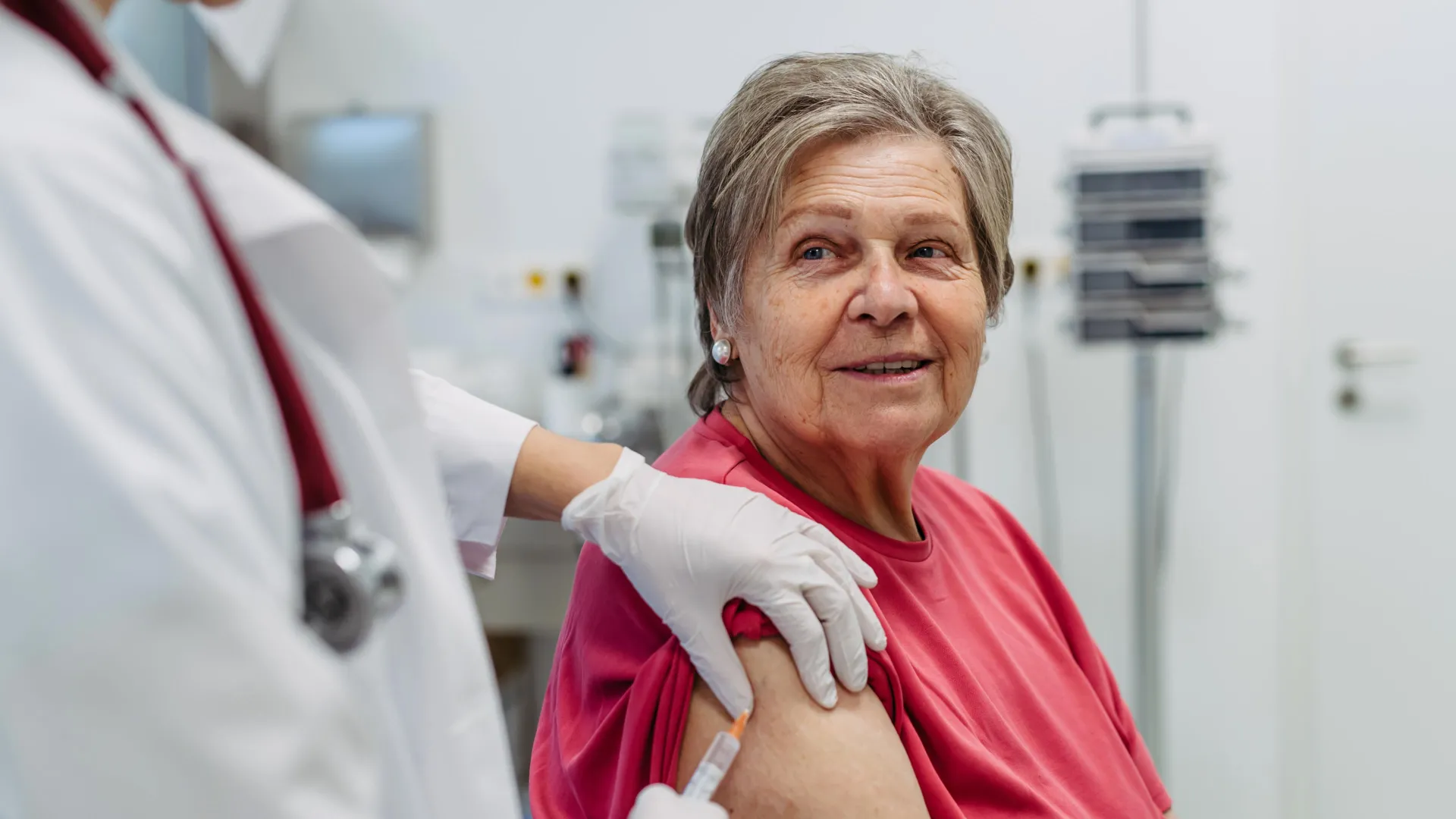 health50+
Study links Shingrix shingles vaccine to 24% lower dementia risk in older adults
Brown University researchers analyzing Medicare records for more than 500,000 adults age 66 and older found that those who received at least one Shing
Aug 26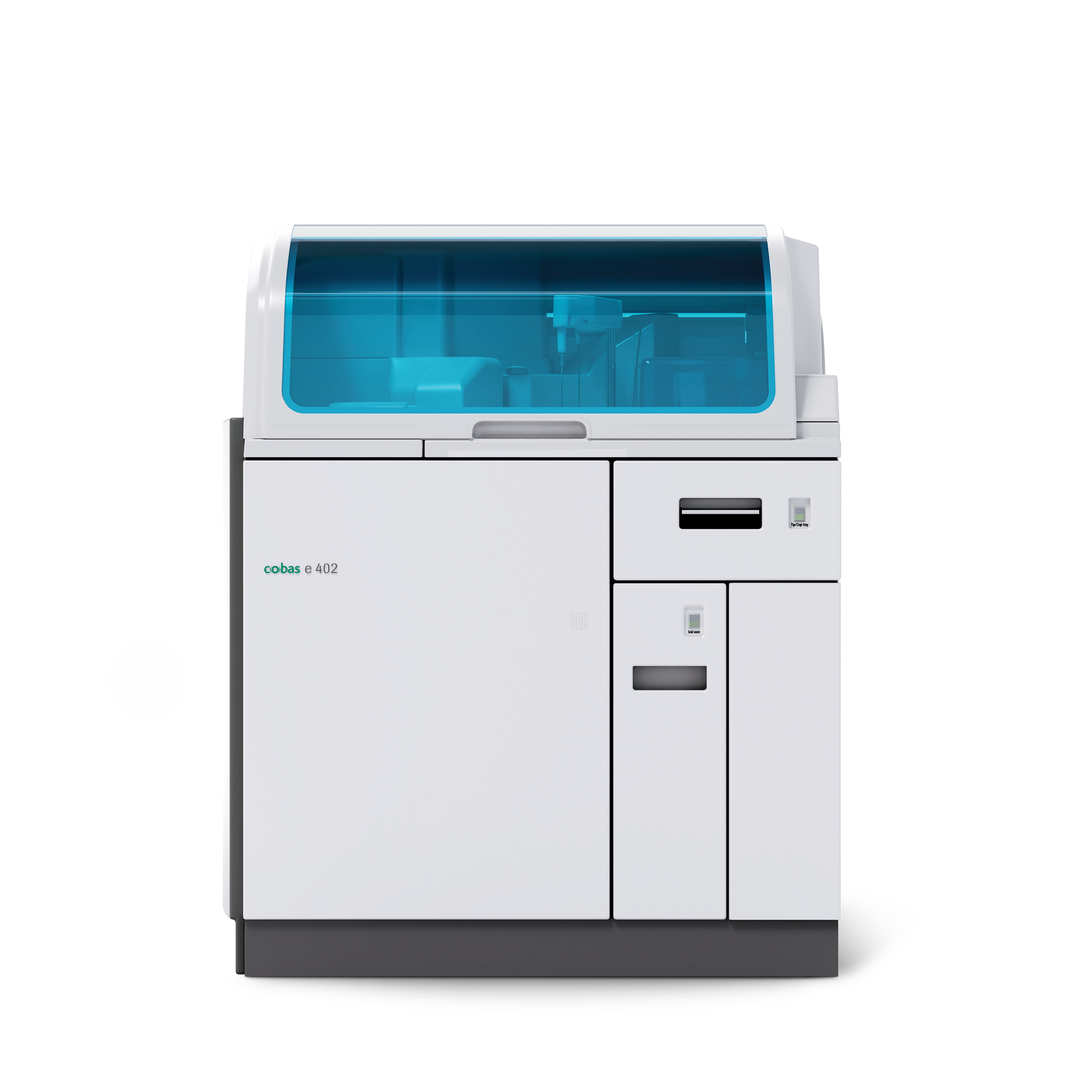 health50+
FDA clears Roche and Lilly blood test to help flag Alzheimer-related brain changes
The FDA cleared the Elecsys pTau217 blood test from Roche and Eli Lilly for adults 55 and older with cognitive complaints, allowing primary and specia
Aug 26