
FDA clears Roche and Lilly blood test to help flag Alzheimer-related brain changes
The FDA cleared the Elecsys pTau217 blood test from Roche and Eli Lilly for adults 55 and older with cognitive complaints, allowing primary and specialty clinics to help rule in or rule out amyloid pathology with one biomarker. Labcorp and Quest said they plan to offer the assay; it is not a stand-alone diagnosis.
The Food and Drug Administration cleared a Roche and Eli Lilly blood test that helps clinicians assess Alzheimer-related amyloid changes in people age 55 and older who report cognitive decline, the companies announced.
The Elecsys Phospho-Tau (217P) Plasma assay, also called pTau217, measures phosphorylated tau 217 in blood. Roche said it is the first FDA-cleared single-biomarker blood test that supports both rule-in and rule-out assessments of amyloid pathology using the same validated cutoffs in primary care and specialty clinics.
Traditional confirmation of amyloid pathology has relied on PET brain scans or cerebrospinal fluid tests drawn by spinal tap. Those options can be costly, invasive and hard to reach outside specialty centers. Roche estimated that about three in four people living with dementia remain undiagnosed and that many who are diagnosed wait years after symptoms begin.
Dan Malarek, president and CEO of Roche Diagnostics North America, said the clearance can bring evaluation closer to patients and help clinicians decide next steps with more confidence. Carole Ho, M.D., president of Lilly Neuroscience, said most people with cognitive complaints are first seen in primary care and that one shared blood test can close the gap between symptoms and answers.
The assay returns positive, intermediate or negative categories for the likelihood of amyloid pathology. Results must be read with other clinical information. Roche said the test is not intended as a stand-alone diagnosis, to predict future dementia on its own, or to monitor drug response.
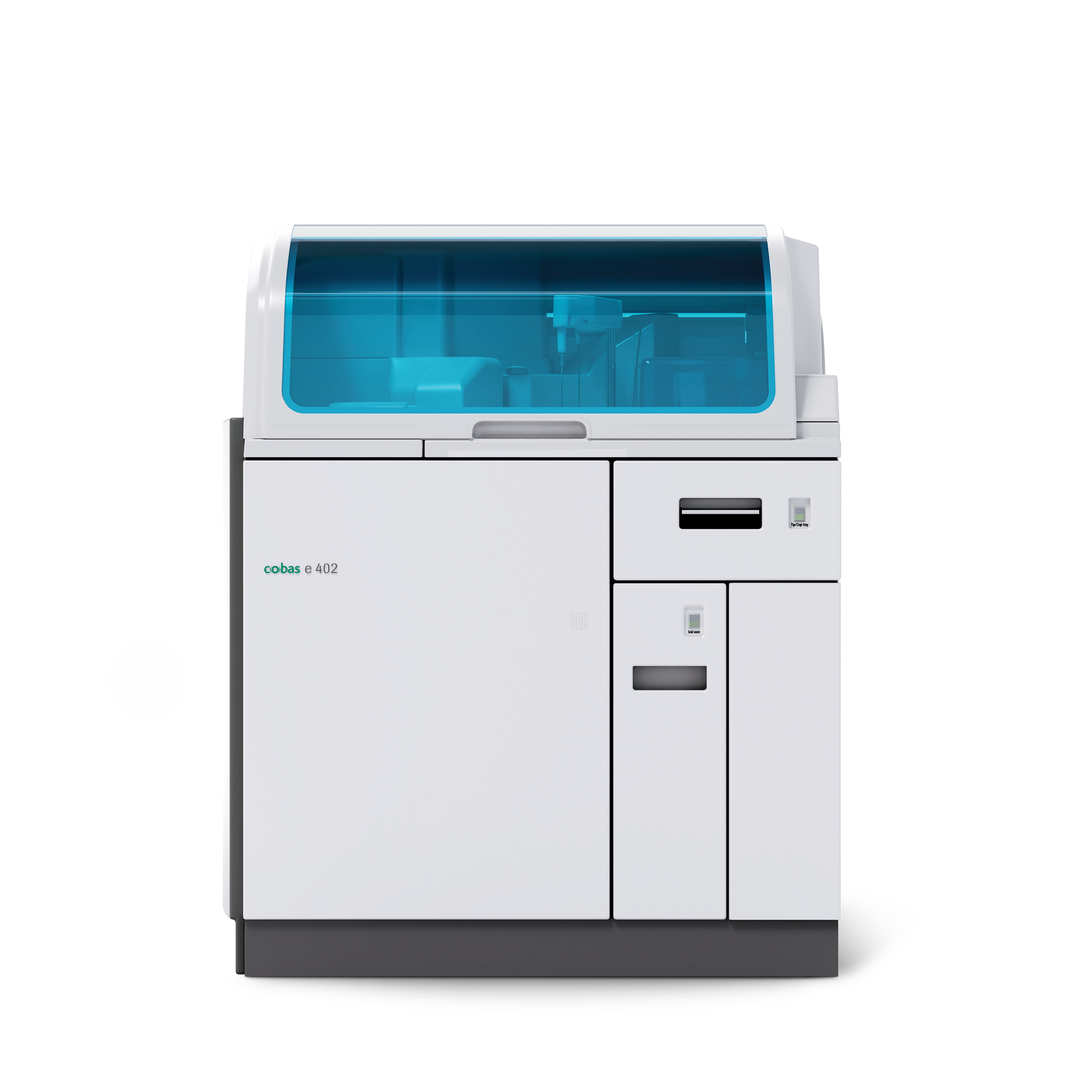
Evaluated in adults 55 and older with cognitive signs or complaints, the test showed high agreement with amyloid PET imaging, according to company materials summarized by MedPage Today and Reuters. It is designed to run on more than 4,500 Roche cobas instruments already installed in U.S. labs. Labcorp and Quest Diagnostics said they plan to offer the test through their networks.
Earlier FDA-cleared Alzheimer blood tests include Fujirebio's Lumipulse, Roche's Elecsys pTau181 rule-out assay, and C2N's PrecivityAD2. Broader access may help doctors decide who needs specialist referral or further confirmatory testing.
Go Deeper
What does the test measure?
Phosphorylated tau 217 in plasma, a marker linked to amyloid pathology associated with Alzheimer's disease.
Who is it for?
Adults 55 and older who have signs, symptoms or complaints of cognitive decline. It is not a general wellness screen for people with no concerns.
Does a positive result diagnose Alzheimer's?
No. It aids assessment of amyloid pathology and must be combined with clinical judgment and other tools.
Why does this matter for primary care?
Most cognitive complaints start in primary care. A blood test can help decide who needs specialty referral without an immediate PET scan or spinal tap.
Where will patients get it?
Roche said it runs on existing cobas lab instruments. Labcorp and Quest said they plan to offer it through their networks.
More health
 health50+
Dolly Parton Kept Cancer Diagnosis Private
Dolly Parton had been battling cancer before her death, a fact she kept private. This has raised questions about the stigma surrounding cancer diagnos
Aug 26 health50+
Pennsylvania confirms two measles deaths in unvaccinated Lancaster residents
Pennsylvania health officials said two unvaccinated people in Lancaster County died of measles, the state's first measles deaths in 35 years and the f
Aug 26 health50+
Study links Shingrix shingles vaccine to 24% lower dementia risk in older adults
Brown University researchers analyzing Medicare records for more than 500,000 adults age 66 and older found that those who received at least one Shing
Aug 26