
Drinking to Cope with Stress May Have Lasting Effects on the Brain
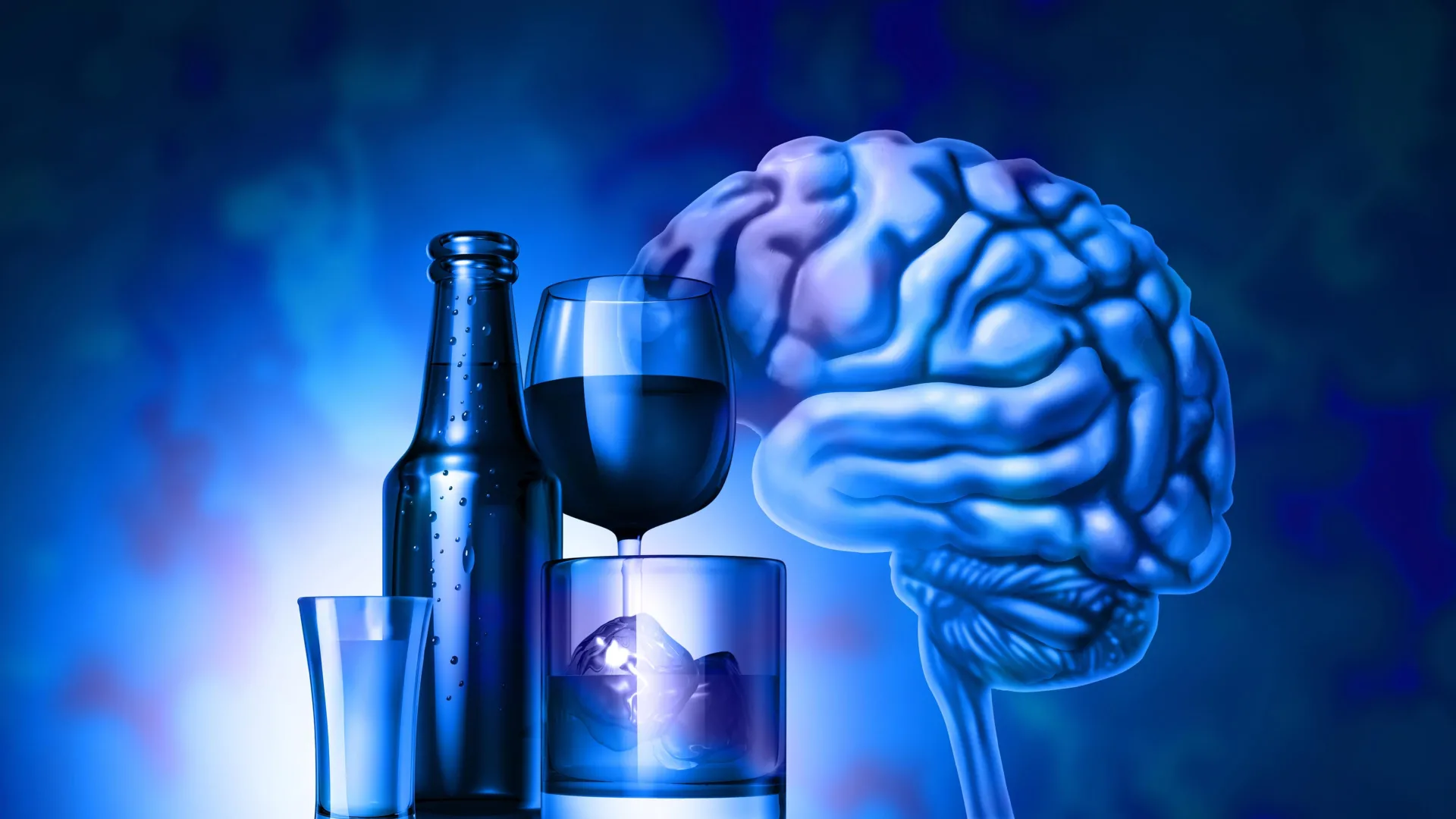
Researchers have found that using alcohol to cope with stress at a young age may permanently alter the brain. This alteration can make it harder to adapt to challenges and increase the risk of returning to drinking later in life.
Using alcohol to cope with stress when young may permanently alter the brain, making it harder to adapt to challenges and increasing the risk of returning to drinking later in life. Researchers also found signs of brain damage associated with early dementia, suggesting the effects can linger long after alcohol use has stopped. The study's findings highlight the potential long-term consequences of using alcohol as a coping mechanism for stress. This is particularly concerning for young individuals who may be more likely to turn to alcohol during stressful periods. The brain's ability to adapt to challenges may be impaired, leading to a range of potential problems. Furthermore, the increased risk of returning to drinking later in life can have serious implications for overall health and well-being.
Go Deeper
How does drinking to cope with stress affect the brain?
Drinking to cope with stress can permanently alter the brain, making it harder to adapt to challenges and increasing the risk of returning to drinking later in life. It can also cause signs of brain damage associated with early dementia.
What are the long-term consequences of using alcohol to cope with stress?
The long-term consequences of using alcohol to cope with stress include impaired brain function, increased risk of returning to drinking, and potential brain damage associated with early dementia.
Why are young individuals more vulnerable to the effects of drinking to cope with stress?
Young individuals may be more likely to turn to alcohol during stressful periods, and their brains may be more susceptible to the negative effects of alcohol due to ongoing development.
Can the effects of drinking to cope with stress be reversed?
The study suggests that the effects of drinking to cope with stress can linger long after alcohol use has stopped, implying that some damage may be permanent. However, the full extent of the reversibility of these effects is not specified.
What are the implications of the increased risk of returning to drinking later in life?
The increased risk of returning to drinking later in life can have serious implications for overall health and well-being, including the potential for alcohol dependence, health problems, and impaired brain function.
More health
 health50+
Mental Stimulation May Reduce Alzheimer's Risk
A lifetime of mental stimulation may help protect the brain as we age. People with high levels of cognitive enrichment had a lower risk of Alzheimer's
Jul 17 health50+
Researchers Identify Protein That May Contribute to Parkinson's Spread
Researchers have identified a protein called GPNMB that may play a role in the spread of Parkinson's disease through the brain. In experiments, blocki
Jul 16 health50+
Study Links High Meat Consumption to Lower Alzheimer’s Risk for Some Genetic Groups
A new study suggests that older adults with high-risk APOE gene variants may experience slower cognitive decline if they eat high amounts of meat. The
Jul 16