
Extreme Heat Affects Mental Health, Study Finds

A study found that extreme heat can negatively impact mental health, with young people and women being among the most at-risk groups. This highlights the need for awareness and strategies to manage heat-related mental health issues.
Extreme heat can have a significant impact on mental health, according to a recent study. The research found that young people and women are among the groups most at risk of experiencing mental health issues due to extreme heat. This can include feelings of anxiety and helplessness. The study's findings underscore the importance of acknowledging the mental health effects of extreme heat and taking steps to manage them. People can take several measures to mitigate the mental health impacts of heatwaves, such as staying hydrated, limiting exposure to heat, and engaging in relaxation techniques. By being aware of these risks and taking proactive steps, individuals can better protect their mental health during periods of extreme heat.
The mental health effects of extreme heat are a concern for many, especially as heatwaves become more frequent and intense. It is essential for individuals, communities, and healthcare systems to be prepared to address these issues. This includes providing support and resources for those affected and promoting strategies for managing heat-related mental health problems.
Go Deeper
What are the most common mental health issues associated with extreme heat?
Common mental health issues associated with extreme heat include anxiety, depression, and feelings of helplessness. These can be exacerbated by the physical discomfort and stress of heatwaves.
Which groups are most at risk of experiencing mental health issues due to extreme heat?
According to the study, young people and women are among the groups most at risk of experiencing mental health issues due to extreme heat. Other vulnerable populations may include older adults, people with pre-existing mental health conditions, and those with limited access to cooling resources.
How can individuals protect their mental health during heatwaves?
Individuals can protect their mental health during heatwaves by staying hydrated, limiting exposure to heat, and engaging in relaxation techniques such as deep breathing or meditation. Staying connected with friends and family and seeking support when needed can also be helpful.
What role can communities and healthcare systems play in addressing heat-related mental health issues?
Communities and healthcare systems can play a crucial role in addressing heat-related mental health issues by providing support and resources for those affected. This can include offering cooling centers, mental health services, and public education campaigns to raise awareness about the mental health effects of extreme heat.
Are there any long-term effects of heat-related mental health issues?
Yes, heat-related mental health issues can have long-term effects if left unaddressed. Chronic stress, anxiety, and depression can develop, and in severe cases, heat-related mental health issues can contribute to more serious mental health conditions. It is essential to address these issues promptly and seek support when needed.
More health
 health50+
US Measles Cases in 2026 Surpass Last Year's Total
The Centers for Disease Control and Prevention reports over 2,300 measles cases in 2026, exceeding the total number of cases in 2025. The cases have b
Jul 24 health50+
Cyclospora Outbreak Hits Michigan
A cyclospora outbreak is spreading across the US, with Michigan being the hardest hit state. The outbreak is causing significant disruption in the sta
Jul 24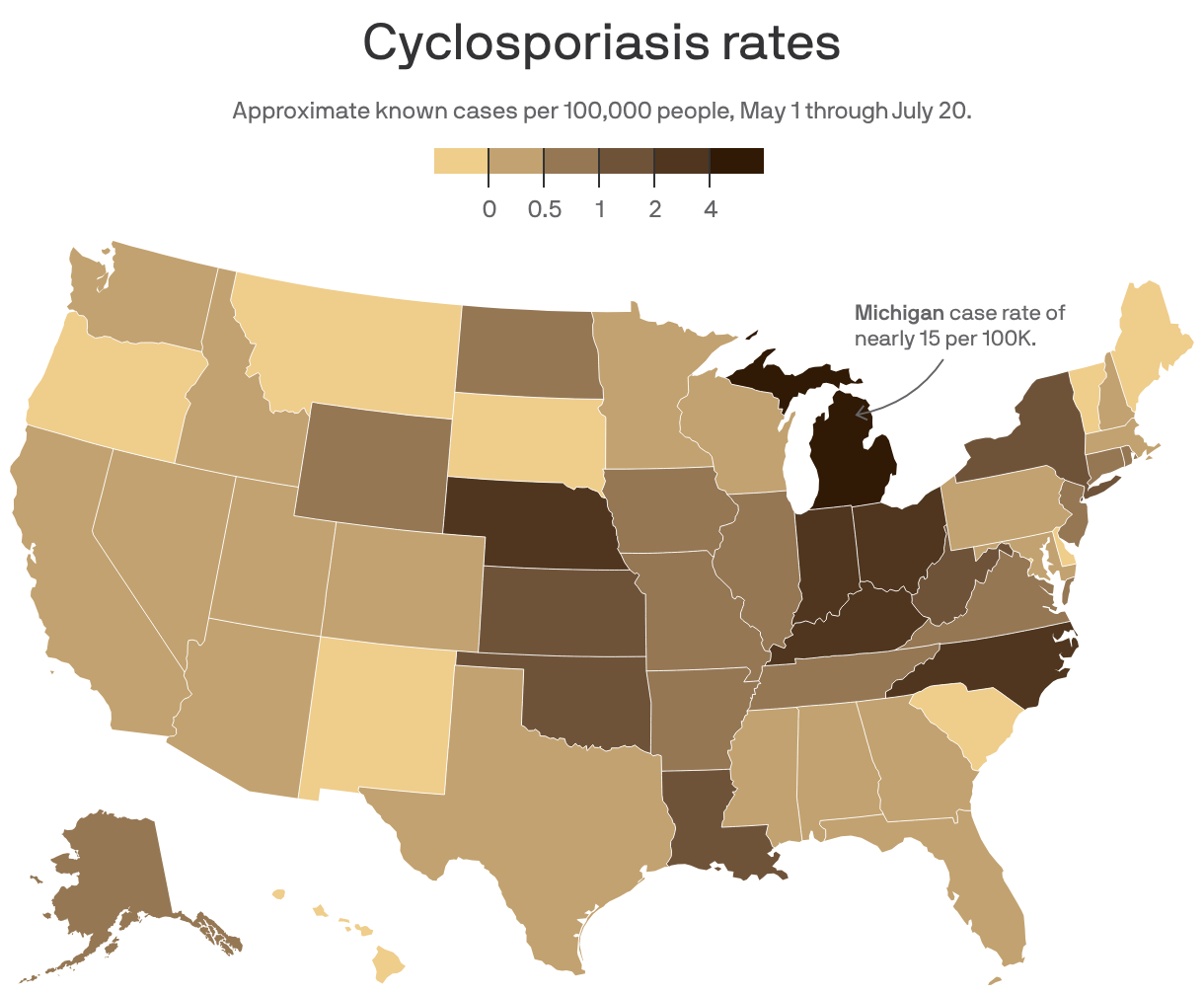 health
Cyclosporiasis Cases Rise in Five Outbreak States
The CDC has reported 4,173 confirmed cases of cyclosporiasis in the U.S. between May 1 and July 20. Cases have now been reported in at least 41 states
Jul 24