
Federal Judge Sanctions Trump's Lawyers Over IRS Settlement
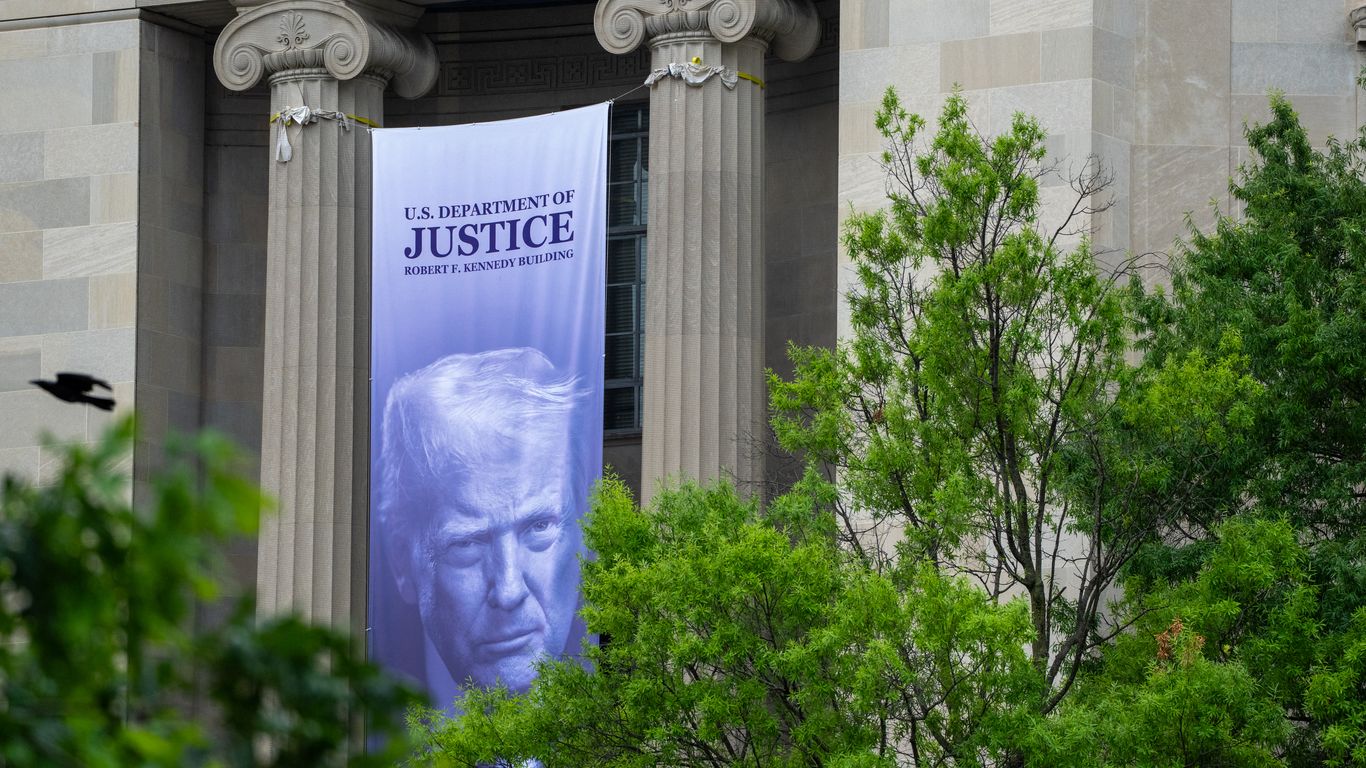
A federal judge has sanctioned President Trump's lawyers over a settlement with the IRS, saying the lawsuit was improperly used to justify the deal. The judge found that the lawsuit was not about resolving a legal issue, but rather an attempt to use the court to provide legitimacy to an agreement that conferred immunity to the President and earmarked billions of dollars from taxpayers.
U.S. District Judge Kathleen Williams sanctioned the lawyers behind President Trump's settlement with the IRS, saying in a Monday order that the case was a means to an end: judicial cover for a deal granting Trump audit immunity and creating his anti-weaponization fund. The $1.776 billion pot of money, born from the Trump settlement, created bipartisan concern and legal scrutiny.
Judge Williams deemed the lawsuit to have been 'improperly employed' to justify the settlement fund. She wrote that the action was never about a party seeking judicial resolution of a legal issue or a factual dispute, but rather an attempt to use the court to provide some legitimacy to an agreement to confer immunity to people and entities affiliated with the President and to earmark billions of dollars from American taxpayers to redress grievances not defined in the law.
The judge referred one lawyer to the Florida Bar and sent her order to the New York and D.C. bars where acting Attorney General Todd Blanche and Associate Attorney General Stanley Woodward Jr. are members, respectively. Trump, his two eldest sons, and the Trump Organization sued the IRS and Treasury in January over the 2019 leak of his tax returns by an IRS contractor. He dropped the suit in May, and the DOJ then announced the nearly $1.8 billion fund, a formal apology, and a bar on the IRS auditing him.
Go Deeper
What was the purpose of the lawsuit filed by President Trump against the IRS?
The lawsuit was filed over the 2019 leak of President Trump's tax returns by an IRS contractor. However, the judge found that the lawsuit was not about resolving a legal issue, but rather an attempt to use the court to provide legitimacy to an agreement that conferred immunity to the President and earmarked billions of dollars from taxpayers.
How much money was involved in the settlement?
The settlement involved a $1.776 billion pot of money, which was to be used to create an anti-weaponization fund and provide immunity to the President and entities affiliated with him.
What was the judge's ruling on the lawsuit?
The judge sanctioned President Trump's lawyers, finding that the lawsuit was improperly used to justify the settlement. She also referred one lawyer to the Florida Bar and sent her order to the New York and D.C. bars where other lawyers are members.
What happens next in the case?
The outside groups and former judges who challenged the deal have two weeks to ask that Trump and his lawyers cover their attorneys' fees. The judge also imposed non-monetary sanctions and found monetary sanctions warranted, though she did not name an amount.
What is the current status of the anti-weaponization fund?
The administration abandoned the fund in June under bipartisan pressure, but the audit-immunity provision remains in place.
More politics
 politics
US and Iran Exchange Strikes Over Strait of Hormuz
The US military launched strikes against Iranian targets near the Strait of Hormuz in response to an IRGC missile attack on a commercial cargo ship. I
Jul 17 politics
New Mexico Attorney General and US DOJ Disagree Over Epstein Records
New Mexico Attorney General Raúl Torrez claims the US Department of Justice is hindering his investigation into Jeffrey Epstein by withholding unredac
Jul 17 politics
Vice President Vance Appears on The Joe Rogan Experience
Vice President Vance was a guest on The Joe Rogan Experience for nearly three hours. The interview covered various political topics and marked the vic
Jul 17