
Fruit Flies Track Smells in Turbulent Air
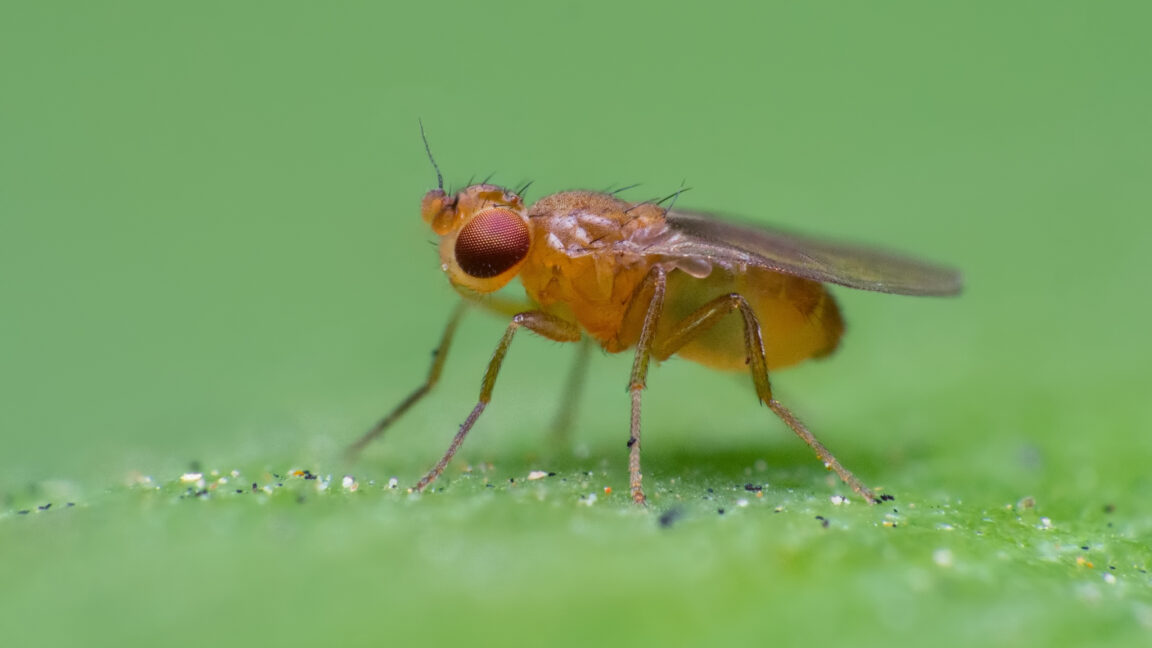
Fruit flies use their sense of direction and memory to track smells in turbulent air. This ability helps them locate the source of a smell.
Fruit flies have the ability to track smells in turbulent air, which is a complex task. Tracking smells in turbulent air takes a keen sense of direction and sharp memory. The flies use their sense of direction to navigate through the air and their memory to recall the smell they are tracking. This ability is crucial for the flies to locate the source of a smell, such as food or a potential mate.
The process of tracking smells is not fully understood, but research has shown that fruit flies use their antennae to detect odors in the air. The antennae are covered in tiny sensors that can detect even slight changes in the concentration of an odor. This information is then processed by the fly's brain, which uses the data to determine the direction of the smell.
Go Deeper
How do fruit flies detect odors in the air?
Fruit flies detect odors in the air using their antennae, which are covered in tiny sensors that can detect even slight changes in the concentration of an odor.
What is the importance of a keen sense of direction for fruit flies?
A keen sense of direction is important for fruit flies to navigate through the air and track smells to their source.
How do fruit flies use their memory to track smells?
Fruit flies use their memory to recall the smell they are tracking and to determine the direction of the smell.
What are some potential sources of smells that fruit flies track?
Fruit flies track smells to locate food, potential mates, and other important resources.
How is the process of tracking smells by fruit flies being studied?
The process of tracking smells by fruit flies is being studied through research, including experiments that involve tracking the flies' movement and behavior in response to different odors.
More technology
 technology
Electronic Arts Becomes Private Company in $55 Billion Deal
Electronic Arts has completed its transition to a private company after an investor group led by Saudi Arabia's Public Investment Fund acquired it. Th
Aug 4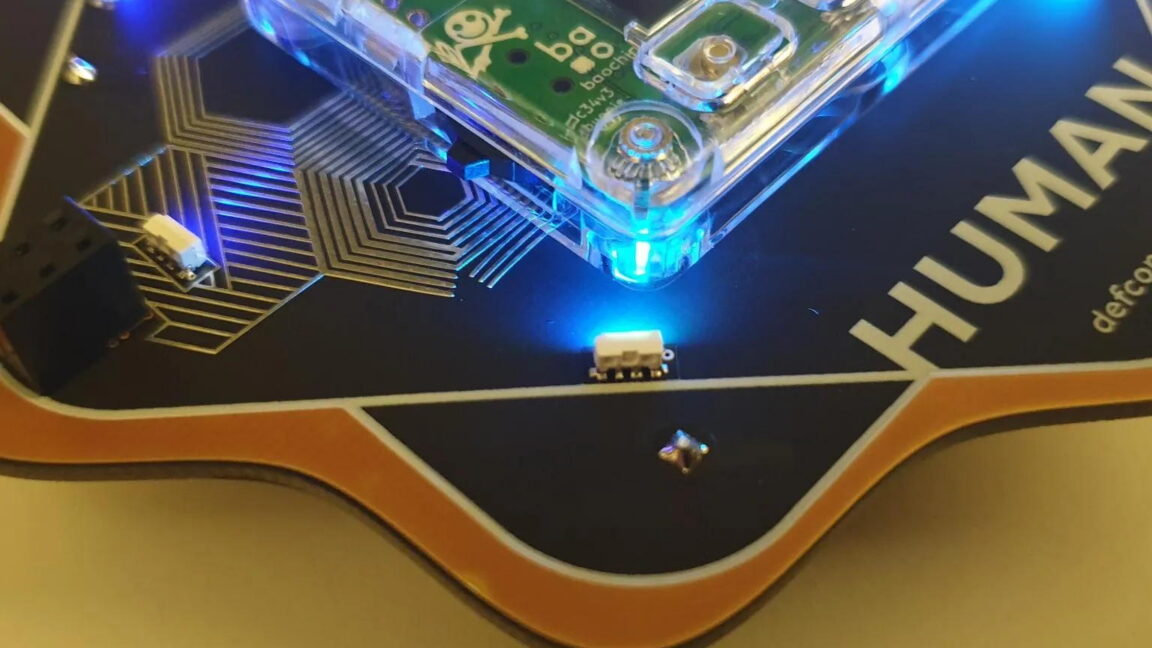 technology
Defcon Introduces New Badge with Removable Chip
Defcon has introduced a new badge that features a removable chip, allowing attendees to inspect the badge's inner workings. The badge can still be use
Aug 4 technology
Judge Orders Waymo to Halt Overnight Charging in Santa Monica
A judge has ordered Waymo to stop overnight charging in Santa Monica due to noise complaints from residents. The decision aims to address the disturba
Aug 4