
Global Pandemic Treaty Signed But Not In Effect
A global pandemic treaty has been signed to help countries prepare for and defeat future pandemics. The treaty's implementation is currently on hold due to various reasons that have not been fully disclosed.
The global pandemic treaty was signed with the goal of helping countries around the world prepare for and respond to future pandemics. This treaty aims to improve international cooperation and coordination in the face of a pandemic. Despite being signed, the treaty has not yet gone into effect. The reasons for the delay are not entirely clear, but it is likely due to the complex process of ratification and implementation that is required for international agreements of this nature. The treaty's signing is a significant step towards global cooperation on pandemic preparedness, but its effectiveness will depend on the willingness and ability of countries to implement its provisions. The World Health Organization and other global health authorities are likely to play a key role in facilitating the treaty's implementation and ensuring that countries are adequately prepared to respond to future pandemics. The delay in the treaty's implementation has raised questions about the challenges and obstacles that must be overcome in order to make it effective. As the world continues to recover from the COVID-19 pandemic, the need for international cooperation and coordination on pandemic preparedness is more pressing than ever.
The signing of the global pandemic treaty is a positive step towards addressing this need, but more work is needed to ensure that it is fully implemented and effective. The treaty's provisions and guidelines will need to be carefully considered and implemented by countries around the world in order to achieve its goals. This will require a sustained effort and commitment from governments, international organizations, and other stakeholders. Only time will tell if the treaty will be successful in helping countries prepare for and respond to future pandemics.
Go Deeper
What is the main goal of the global pandemic treaty?
The main goal of the treaty is to help countries prepare for and defeat future pandemics by improving international cooperation and coordination. This will involve sharing information, coordinating responses, and providing support to countries in need.
Why is the treaty's implementation being delayed?
The reasons for the delay are not entirely clear, but it is likely due to the complex process of ratification and implementation that is required for international agreements of this nature. This process can be time-consuming and may involve negotiations and compromises between different countries and stakeholders.
What role will the World Health Organization play in implementing the treaty?
The World Health Organization is likely to play a key role in facilitating the treaty's implementation and ensuring that countries are adequately prepared to respond to future pandemics. This may involve providing technical assistance, coordinating international responses, and monitoring progress towards the treaty's goals.
How will the treaty's effectiveness be measured?
The treaty's effectiveness will depend on the willingness and ability of countries to implement its provisions and work together to prepare for and respond to future pandemics. This may involve tracking progress towards specific goals and targets, such as improving surveillance and response systems, and increasing access to vaccines and treatments.
What are the next steps for implementing the treaty?
The next steps for implementing the treaty will involve a sustained effort and commitment from governments, international organizations, and other stakeholders. This may involve negotiating and finalizing the treaty's provisions, developing implementation plans and guidelines, and providing technical and financial support to countries in need.
More health
 health50+
Researchers Identify Potential Driver of Aging in Immune Cells
A study found that immune cells losing their ability to clear away damaged cells may contribute to aging. Blocking a specific receptor in mice helped
Sep 27 health50+
Study Finds Dementia Risk Factors in People Over 90
A recent study examined dementia risk in people over 90 and found that sex, race, and genetics play a significant role. The study also identified indi
Sep 27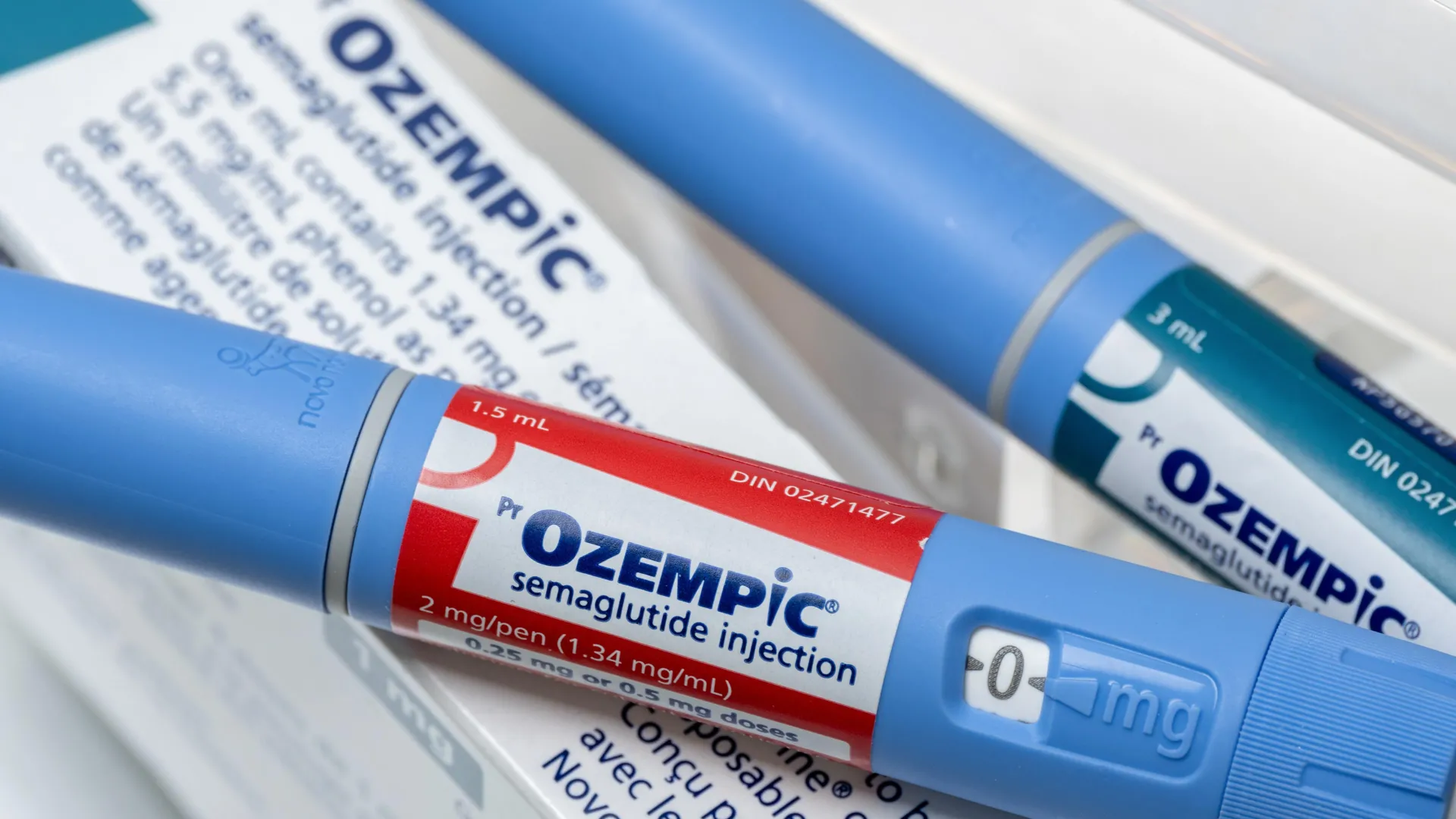 health50+
Ozempic Shows Promise in Slowing Aging in Mice
Scientists have found that semaglutide, the active ingredient in Ozempic, may help slow aging in older healthy mice. The drug improved memory, muscle
Sep 27