
House Votes on Legislative Package Including Stock Trading Ban and Voter ID
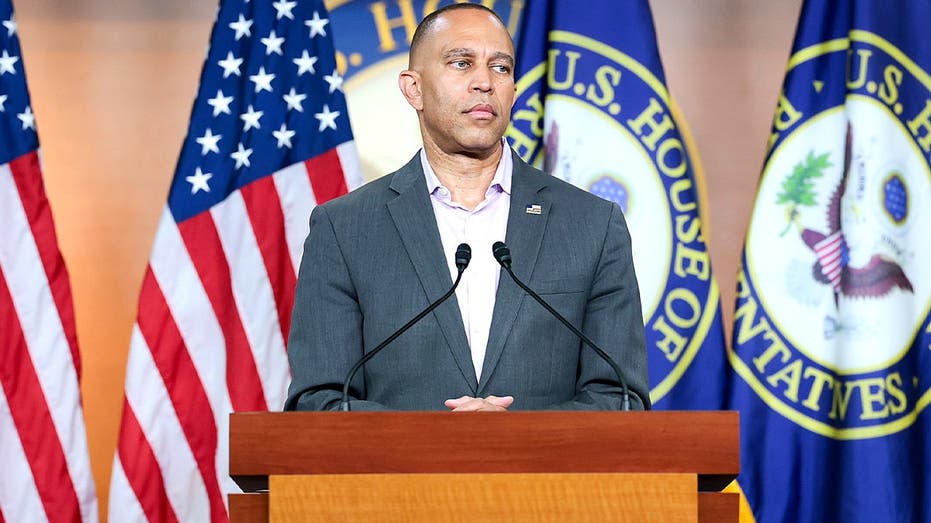
The House voted on a legislative package that includes a partial ban on lawmakers trading stocks and a federal voter ID requirement. Dozens of House Democrats rejected the bill.
The House of Representatives voted on a legislative package that combines two significant proposals: a partial ban on lawmakers trading stocks and a federal voter ID requirement. This package aims to address concerns about financial transparency among lawmakers and voting integrity. Dozens of House Democrats rejected the bill, indicating a divide within the House on these issues.
The stock trading ban is intended to reduce potential conflicts of interest among lawmakers by limiting their ability to trade stocks. Meanwhile, the federal voter ID requirement seeks to standardize voter identification processes across the country. The vote reflects ongoing debates about the role of government in regulating financial activities of public officials and ensuring the integrity of the electoral process.
Go Deeper
What does the partial ban on lawmakers trading stocks entail?
The partial ban aims to limit lawmakers' ability to trade stocks, reducing potential conflicts of interest. However, the specifics of the ban, such as which stocks are included and the penalties for non-compliance, are not detailed in the initial report.
How would the federal voter ID requirement work?
The federal voter ID requirement seeks to standardize voter identification processes nationwide. This could involve setting a uniform standard for acceptable forms of identification that voters must present at the polls.
Why did dozens of House Democrats reject the bill?
The reasons for the rejection are not specified in the initial report, but it could be due to disagreements over the specifics of the stock trading ban, the federal voter ID requirement, or both. Democrats may have concerns about the impact of these measures on different groups or the effectiveness of the proposals in achieving their intended goals.
What are the next steps for this legislative package?
The next steps would typically involve the bill being sent to the Senate for consideration, where it could face further debate and potential amendments. If it passes the Senate, it would then go to the President for signature or veto.
How might this legislative package affect the public's perception of government integrity?
The passage of this package could potentially enhance the public's perception of government integrity by addressing concerns about financial conflicts of interest among lawmakers and the security of the voting process. However, the outcome depends on the specifics of the legislation and how it is implemented.
More politics
 politics
House Approves $95 Billion Budget Reconciliation Framework
The House of Representatives has approved a $95 billion framework for a budget reconciliation package. The package includes increased funding for the
Jul 22 politics
Miami Heat Posts then Unlists LeBron James Press Conference Livestream
The Miami Heat posted a livestream for a LeBron James introductory press conference on their YouTube account, but it was later unlisted. The reason fo
Jul 22 politics
House GOP Advances Election Bill in Budget Package
The House GOP has advanced a budget bill that includes the SAVE America Act, a top election priority. The move is an effort to bypass Democrat opposit
Jul 22