
Iran Continues Conflict with US Over Strait of Hormuz
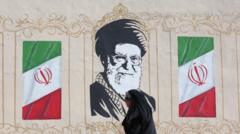
Iran's leaders face uncertain choices in their ongoing conflict with the US. The dispute centers on the Strait of Hormuz, a vital shipping route.
The conflict between Iran and the US continues, with the Strait of Hormuz at its center. This strategic waterway is crucial for international oil shipments, and control of it is a significant factor in the dispute. Iran's leaders are considering various options, but none offer a clear path to resolving the conflict. The situation remains tense, with both sides maintaining their positions. The US has been working to build a coalition to protect shipping in the area, while Iran has been resisting these efforts. The ongoing dispute has significant implications for global oil markets and regional stability. Iran's actions are being closely watched by the international community, as the situation continues to unfold. The US has stated its commitment to maintaining freedom of navigation in the Strait of Hormuz, while Iran has asserted its right to defend its territorial waters.
Go Deeper
What is the Strait of Hormuz?
The Strait of Hormuz is a narrow waterway connecting the Persian Gulf to the Gulf of Oman, and it is a critical shipping route for international oil trade. It is about 90 miles long and 21-25 miles wide at its narrowest point.
Why is the Strait of Hormuz important?
The Strait of Hormuz is important because it is a major chokepoint for global oil trade, with a significant portion of the world's oil passing through it every day. It is also a critical route for other cargo ships and tankers.
What are the implications of the conflict for global oil markets?
The conflict in the Strait of Hormuz has significant implications for global oil markets, as any disruption to shipping in the area could lead to increased oil prices and reduced supplies. This could have a major impact on the global economy, particularly for countries that rely heavily on oil imports.
How has the international community responded to the conflict?
The international community has been watching the situation closely, with many countries calling for calm and restraint. The US has been working to build a coalition to protect shipping in the area, while other countries have urged diplomacy and dialogue to resolve the dispute.
What are the potential consequences of the conflict escalating?
If the conflict escalates, it could lead to a significant increase in oil prices, reduced global economic growth, and potentially even military action. The situation is being closely monitored by the international community, and there are concerns about the potential for unintended consequences or miscalculations that could lead to further escalation.
More world
 world
worldOwners of TikTok's Blue Lagoon Warn Visitors to Stay Away
The owners of a popular turquoise lagoon that went viral on TikTok are warning people to stay away. The site, which is 30m-deep, drew large crowds dur
Jul 21 world
worldFormer Blue Peter Presenter Performs on America's Got Talent
Joel M, a former Blue Peter presenter, appeared on America's Got Talent. He performed a magic trick that made the judges' personal items disappear.
Jul 21 world
worldUK Government Cuts VAT on Domestic Electricity to Zero
The UK government has announced a cut in VAT on domestic electricity to zero. Despite this move, UK residents still pay more for electricity compared
Jul 21