
Johns Hopkins Surgeon Discusses AI's Potential in Cancer Detection
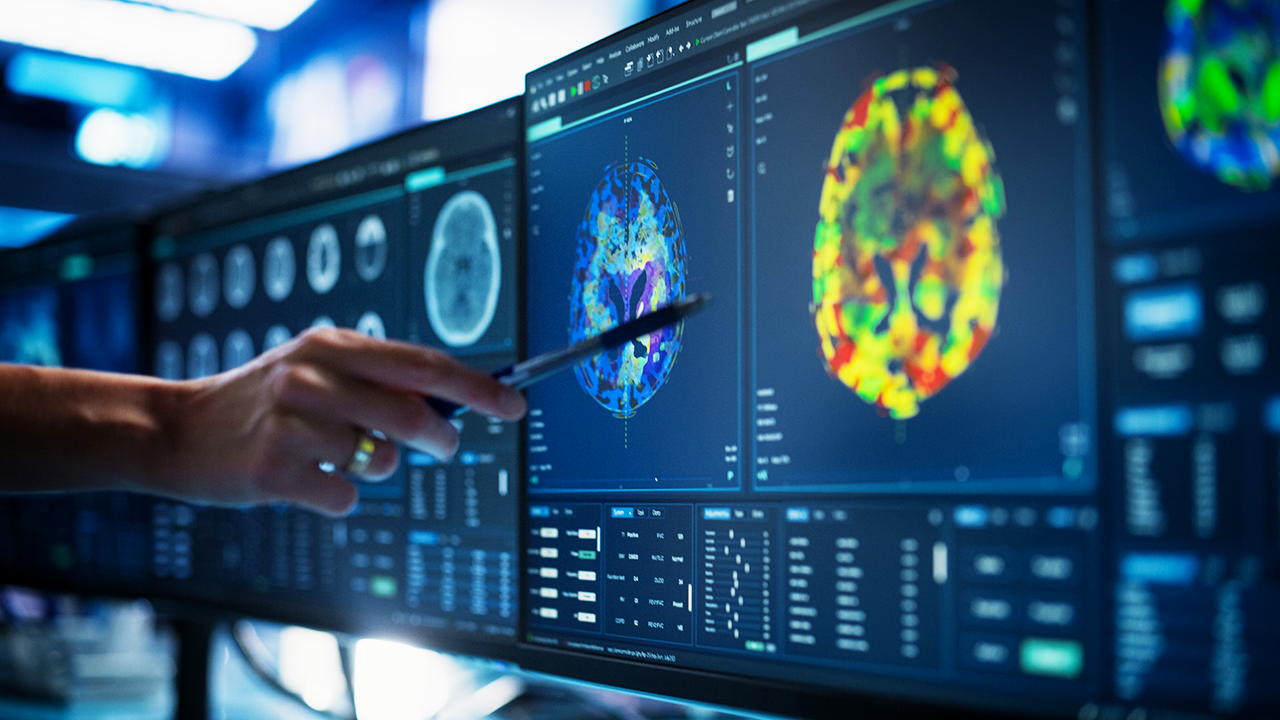
A Johns Hopkins surgeon is highlighting the potential of AI in detecting pancreatic cancer. The surgeon notes that while AI is making progress, it is still early in measuring its full impact on cancer detection and drug discovery.
According to a Johns Hopkins surgeon, AI is making significant strides in accelerating drug discovery and cancer detection. The surgeon specifically pointed out that AI could potentially spot pancreatic cancer before doctors. However, the surgeon also cautioned that it is still very early days for measuring the full impact of AI in these areas. AI's ability to analyze large amounts of data quickly and accurately makes it a valuable tool in detecting diseases like pancreatic cancer. The surgeon's comments come as researchers and medical professionals are increasingly looking to AI for solutions to complex medical problems. While AI has shown promise, there is still much work to be done to fully realize its potential in cancer detection and drug discovery.
Go Deeper
What type of cancer is AI potentially able to detect?
AI is potentially able to detect pancreatic cancer, according to a Johns Hopkins surgeon. This type of cancer can be difficult for doctors to detect in its early stages, making AI's potential role significant.
How is AI being used in drug discovery?
AI is being used to accelerate drug discovery by analyzing large amounts of data quickly and accurately. This can help researchers identify potential new drugs and treatments more efficiently than traditional methods.
Why is it still early days for measuring AI's impact?
It is still early days because while AI has shown promise, there is still much work to be done to fully realize its potential in cancer detection and drug discovery. More research and testing are needed to understand the full benefits and limitations of AI in these areas.
What makes AI valuable in detecting diseases like pancreatic cancer?
AI's ability to analyze large amounts of data quickly and accurately makes it a valuable tool in detecting diseases like pancreatic cancer. This can help doctors identify potential cases earlier and more accurately than traditional methods.
What is the current state of AI research in cancer detection?
Researchers and medical professionals are increasingly looking to AI for solutions to complex medical problems, including cancer detection. While AI has shown promise, ongoing research is needed to fully develop its potential in this area.
More health
 health50+
Tick Bites Linked to Mammalian Meat Allergy in Australia
Mammalian meat allergy is a growing concern in Australia, particularly along the east coast. This condition is caused by tick bites, which can trigger
Jul 21 health
Readers Share Tips on Getting Children to Eat Vegetables
Parents are sharing their advice on how to get fussy children to eat vegetables during the summer holidays. Several readers have submitted their own t
Jul 21 health
Taco Bell Lettuce Linked to Cyclosporiasis in 5 States
Taco Bell's iceberg lettuce has been identified as the source of a cyclosporiasis outbreak in five states. Consumers in Indiana, Kentucky, Michigan, O
Jul 20