
Juror in Clancy Trial Releases Statement on Verdict
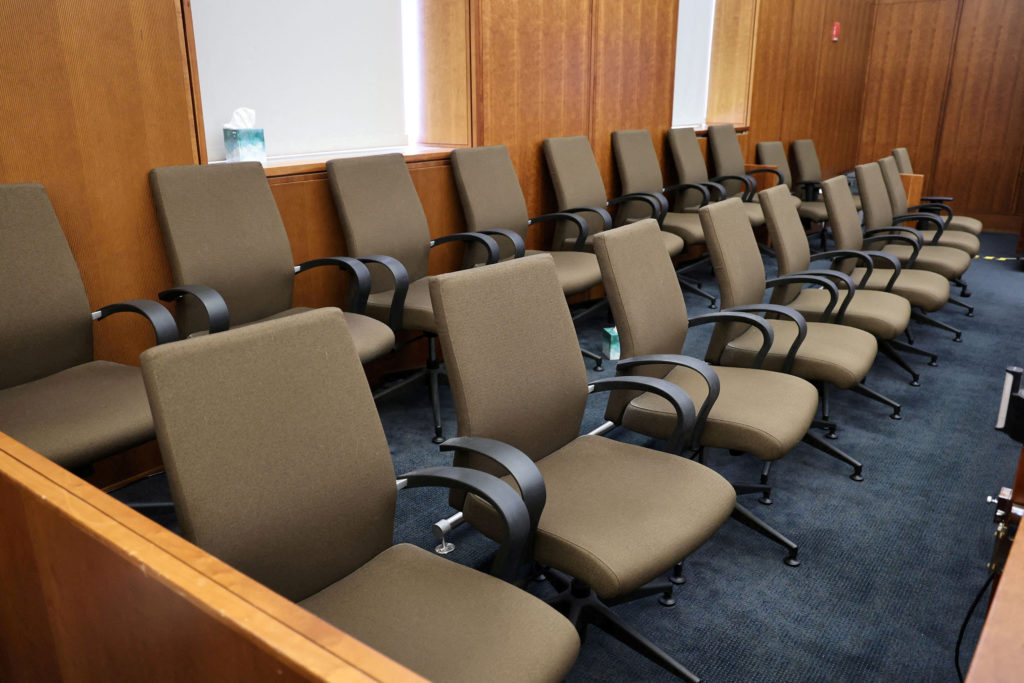
A juror in the Lindsay Clancy trial has released a statement through his lawyer, discussing his thoughts on the verdict. The juror had voted to convict Clancy of murder for killing her three children.
The lone juror who wanted to convict Lindsay Clancy of murder for killing her three children said he was certain of her guilt. He claimed that other jurors wouldn't listen to him, according to a statement released by his lawyer on Friday. This statement marks the juror's first public comments on the case. The juror's statement was released through his lawyer, providing insight into the jury's deliberations. The case has drawn significant attention due to its tragic nature, involving the deaths of Clancy's three children.
Go Deeper
What was the juror's stance on Lindsay Clancy's guilt?
The juror was certain of Clancy's guilt and wanted to convict her of murder for killing her three children. He had no doubts about her responsibility in the deaths.
Why did the juror release a statement through his lawyer?
The juror released a statement through his lawyer to share his thoughts on the verdict and the jury's deliberations. This is his first public comment on the case.
What happened during the jury's deliberations?
According to the juror, other jurors wouldn't listen to him during deliberations. He was the lone juror who wanted to convict Clancy of murder.
What is the significance of the Clancy case?
The Clancy case is significant due to its tragic nature, involving the deaths of three children. It has drawn substantial attention and public interest.
Will the juror's statement have any impact on the case?
The impact of the juror's statement on the case is unclear. However, it provides insight into the jury's deliberations and the juror's thought process during the trial.
More politics
 politics
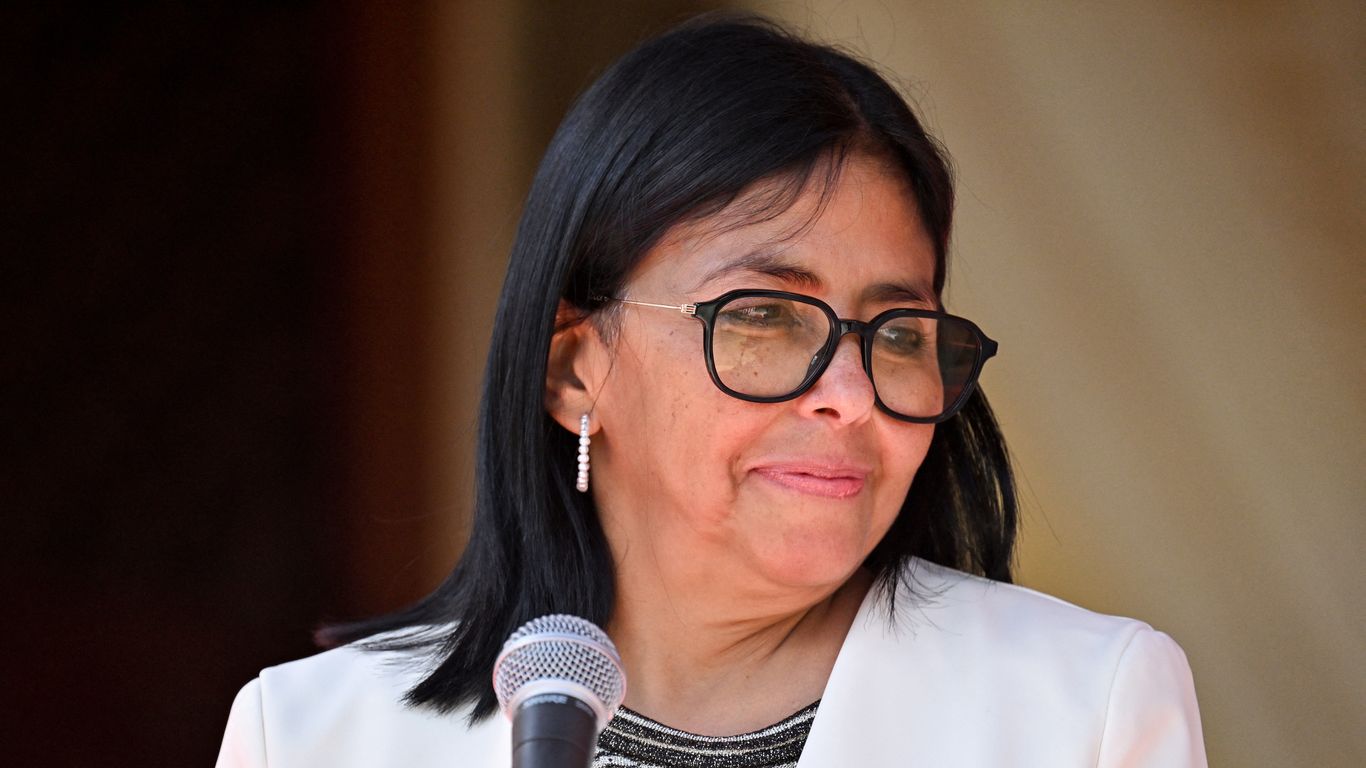
Trump Plans Meeting with Venezuela's Interim President
President Trump is planning to meet with Venezuela's interim president, Delcy Rodriguez, as early as next week. The meeting would be the first between
Sep 19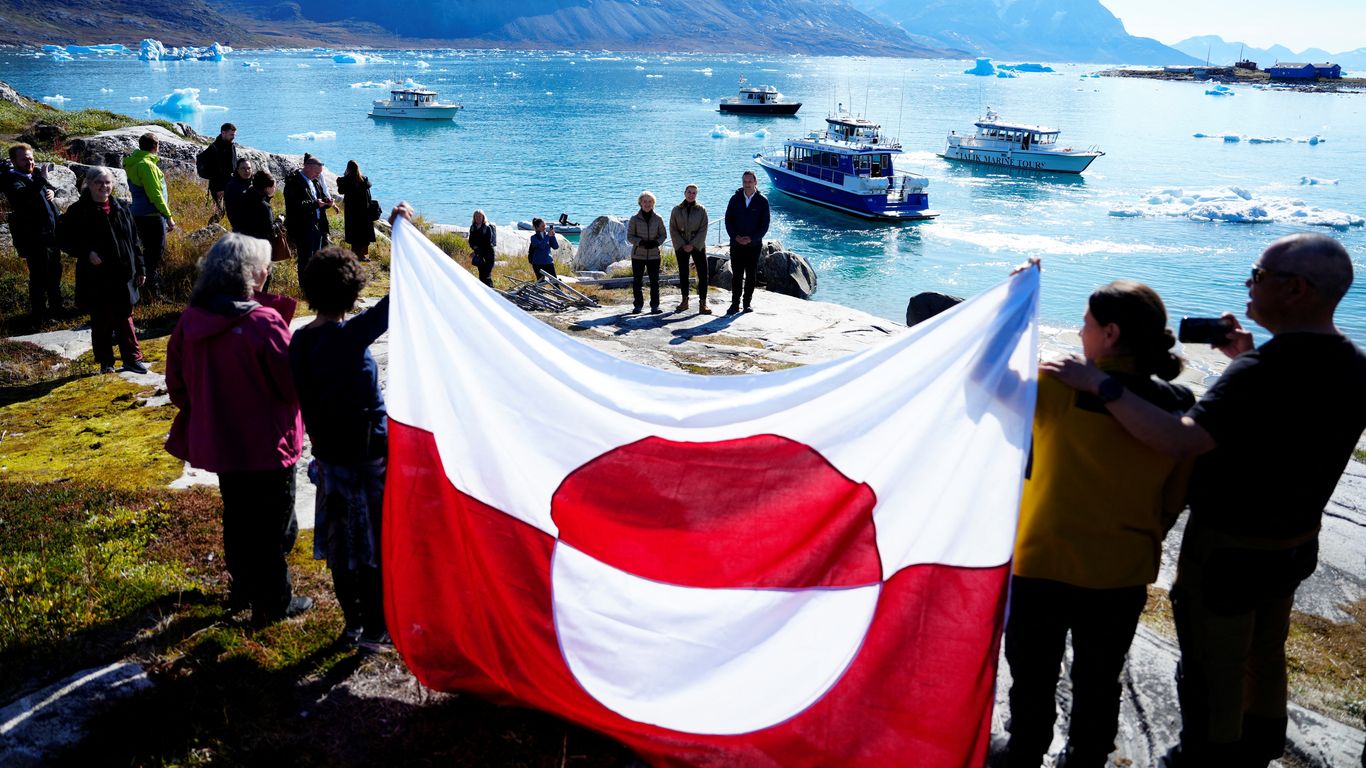 politics
US and Denmark Reach Security and Military Deal Over Greenland
President Trump announced that the US has reached a deal with Denmark to give the US permanent control over security in Greenland. The deal is expecte
Sep 18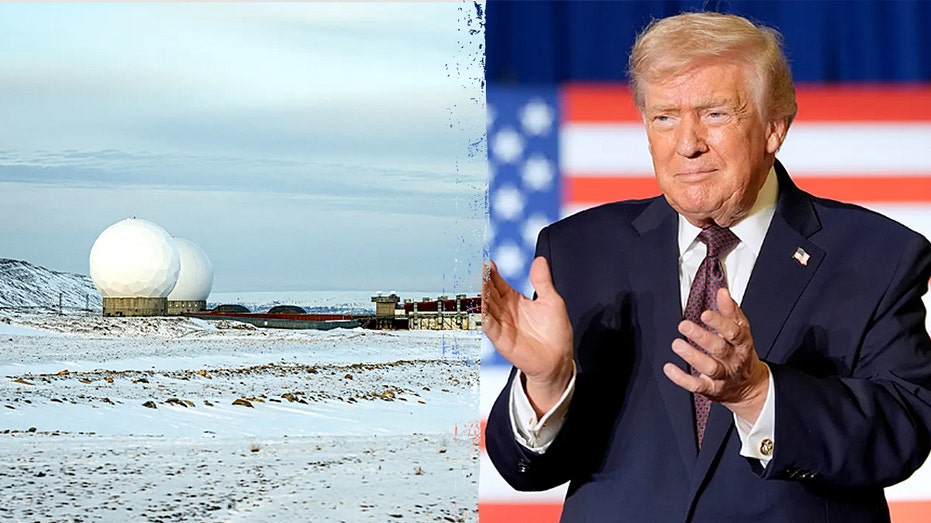 politics
US Secures Military Rights in Greenland
The US has reached a deal with Greenland regarding military basing rights. The agreement grants the US permanent military rights on the island.
Sep 18