
Lab-grown mini brains show promise in Alzheimer's treatment research
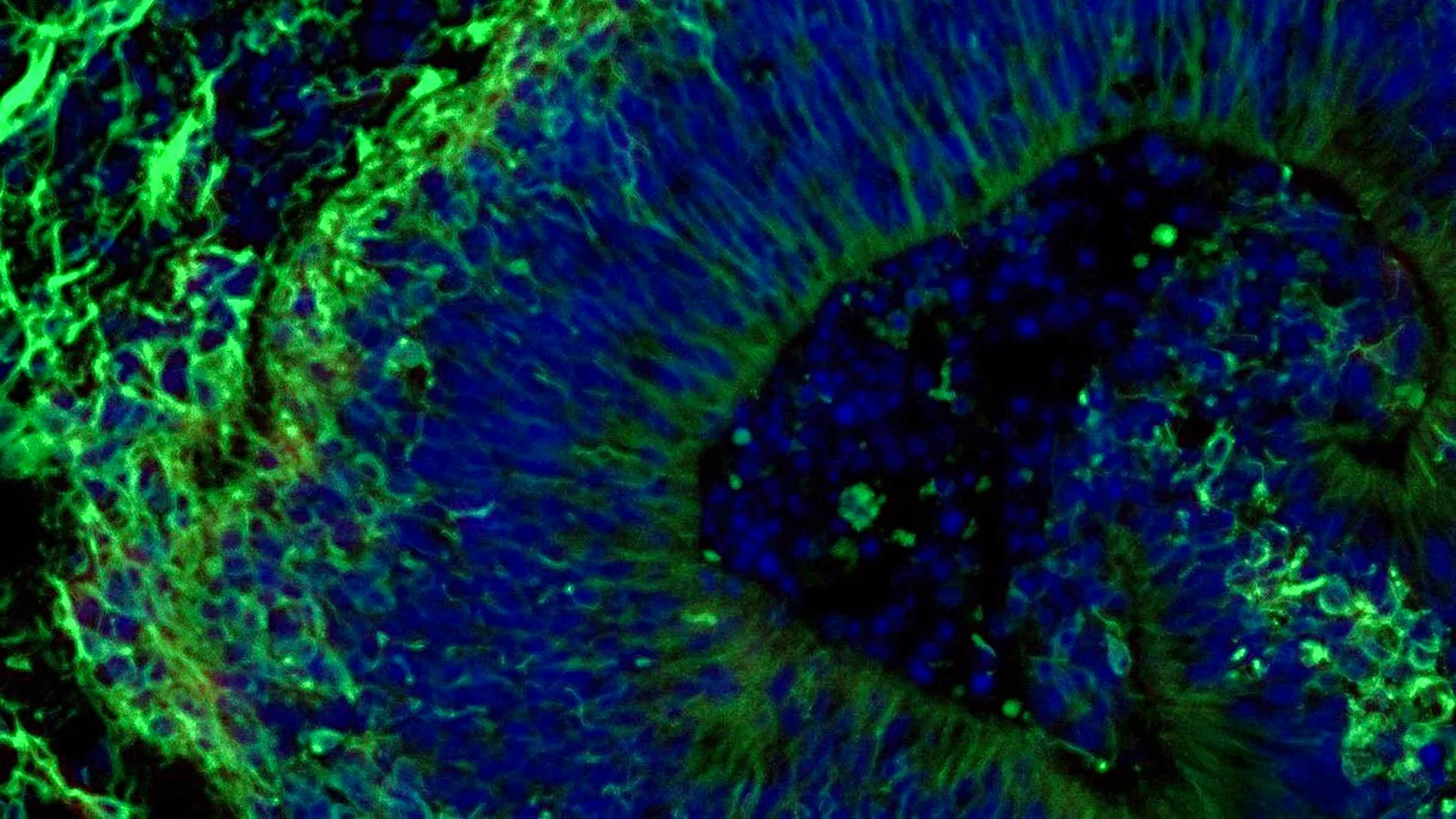
Researchers have made a breakthrough in Alzheimer's treatment research using miniature brain models grown from patients' cells. These lab-grown mini brains have revealed differences in how Alzheimer's-related tissue responds to certain medications.
Scientists have created miniature brain models, known as organoids, from patients' cells to study Alzheimer's disease. These organoids have shown striking differences in how they respond to an antidepressant, which could have implications for treating the disease. The researchers found that the organoids and the particles they release could potentially guide more personalized treatments for Alzheimer's patients. This breakthrough could also provide new clues for diagnosing the disease. By using these lab-grown mini brains, scientists may be able to predict which Alzheimer's treatments will work best for individual patients.
The use of organoids in medical research is a relatively new field, but it has already shown great promise. These miniature brain models can be used to study the progression of diseases like Alzheimer's and to test the effectiveness of different treatments. As research continues, it is possible that organoids could become a valuable tool in the fight against Alzheimer's and other neurodegenerative diseases.
Go Deeper
What are organoids and how are they used in research?
Organoids are miniature models of organs or tissues that are grown in a laboratory from cells. They are used in research to study the progression of diseases and to test the effectiveness of different treatments.
How do lab-grown mini brains respond to Alzheimer's treatments?
Lab-grown mini brains, or organoids, have shown striking differences in how they respond to certain medications, including an antidepressant. This could have implications for treating Alzheimer's disease.
Can organoids be used to diagnose Alzheimer's disease?
Yes, the particles released by organoids could potentially provide new clues for diagnosing Alzheimer's disease. Researchers are still studying the possibilities of using organoids for diagnosis.
What are the potential benefits of using organoids in Alzheimer's research?
The use of organoids in Alzheimer's research could lead to more personalized treatments and a better understanding of the disease. It could also help scientists predict which treatments will work best for individual patients.
Is this a new area of research?
Yes, the use of organoids in medical research is a relatively new field, but it has already shown great promise. Scientists are continuing to study the potential of organoids in the fight against Alzheimer's and other diseases.
More health
 health
CDC Issues Travel Warning for Costa Rica's Guanacaste Province
The CDC has issued a Level 2 Travel Health Notice for Costa Rica's Guanacaste Province due to an outbreak of chikungunya cases. Travelers are advised
Jul 22 health
Taylor Farms Linked to Diarrhea Outbreak Amid FDA Test Confusion
Taylor Farms has been linked to a diarrhea outbreak, but the company's response to FDA tests has caused confusion. The company has provided a recall l
Jul 22 health
Colorectal Cancer Cases Rising in Younger Adults
Colorectal cancer is now a leading cause of cancer death among people under 50, with cases continuing to rise. Warning signs include persistent bowel
Jul 22