
Lawsuit Alleges Babies Switched at Birth in North Dakota Hospital
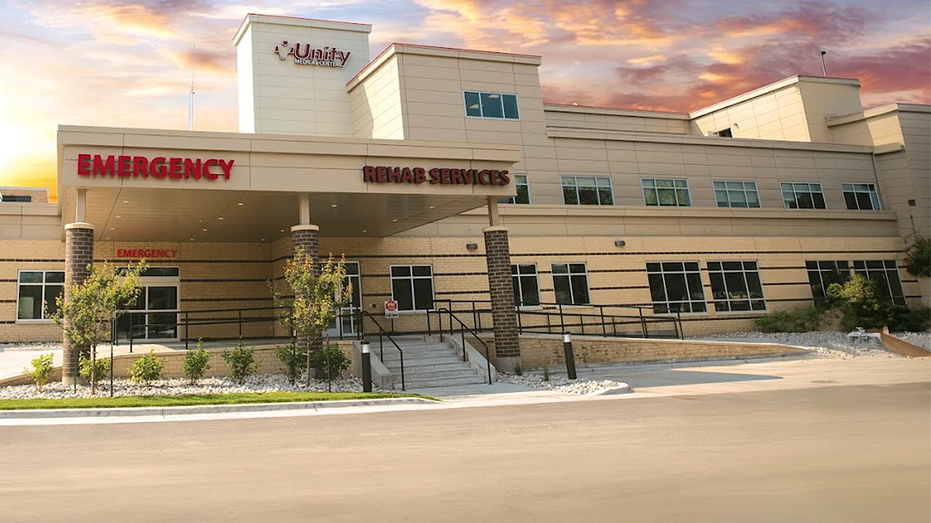
Two men have filed a lawsuit against a North Dakota hospital, claiming they were switched at birth. The alleged mix-up was discovered through DNA testing over 30 years later.
A lawsuit has been filed against a North Dakota hospital by two men who claim they were switched at birth. The men, who are now adults, say the hospital made a mistake that was only discovered through DNA testing more than 30 years later. According to the lawsuit, the men were born at the same hospital and were given to the wrong families. The lawsuit does not specify how the mix-up occurred or what the hospital has said about the allegations. The men are seeking damages for the alleged mistake. The hospital has not commented on the lawsuit. The case is ongoing and no trial date has been set. The lawsuit is the latest in a series of high-profile cases involving hospital errors and patient mix-ups.
The lawsuit highlights the importance of accurate record-keeping and patient identification in hospitals. The men's lawyer says the case is about holding the hospital accountable for its actions and ensuring that something like this never happens again.
Go Deeper
What happened to the two men?
The two men claim they were switched at birth at a North Dakota hospital and the mistake was only discovered through DNA testing over 30 years later.
How did the men discover the mix-up?
The men discovered the mix-up through DNA testing, which revealed that they were not biologically related to their families.
What are the men seeking in the lawsuit?
The men are seeking damages for the alleged mistake and are looking to hold the hospital accountable for its actions.
Has the hospital commented on the lawsuit?
The hospital has not commented on the lawsuit, and the case is ongoing with no trial date set.
What are the implications of this case?
The case highlights the importance of accurate record-keeping and patient identification in hospitals to prevent similar mistakes from happening in the future.
More us
 us
usTrump Says China Stole Voter Registration Data of 220 Million Americans
President Trump announced that China stole the voter registration data of 220 million Americans. He described this as an unprecedented election securi
Jul 17 us
usPresident Trump Comments on US Military and Iran's IRGC
President Donald Trump stated that Iran's IRGC has lost 90% of its weapons capability. He also mentioned the US is rebuilding its military.
Jul 17 us
usBryson DeChambeau responds to critics after first round at The Open
Bryson DeChambeau posted a three-under 67 in the first round at Royal Birkdale. He responded to criticism from Nick Faldo about his strategy on links
Jul 17