
Mediterranean Diet Linked to Higher Levels of Heart and Brain Protective Proteins
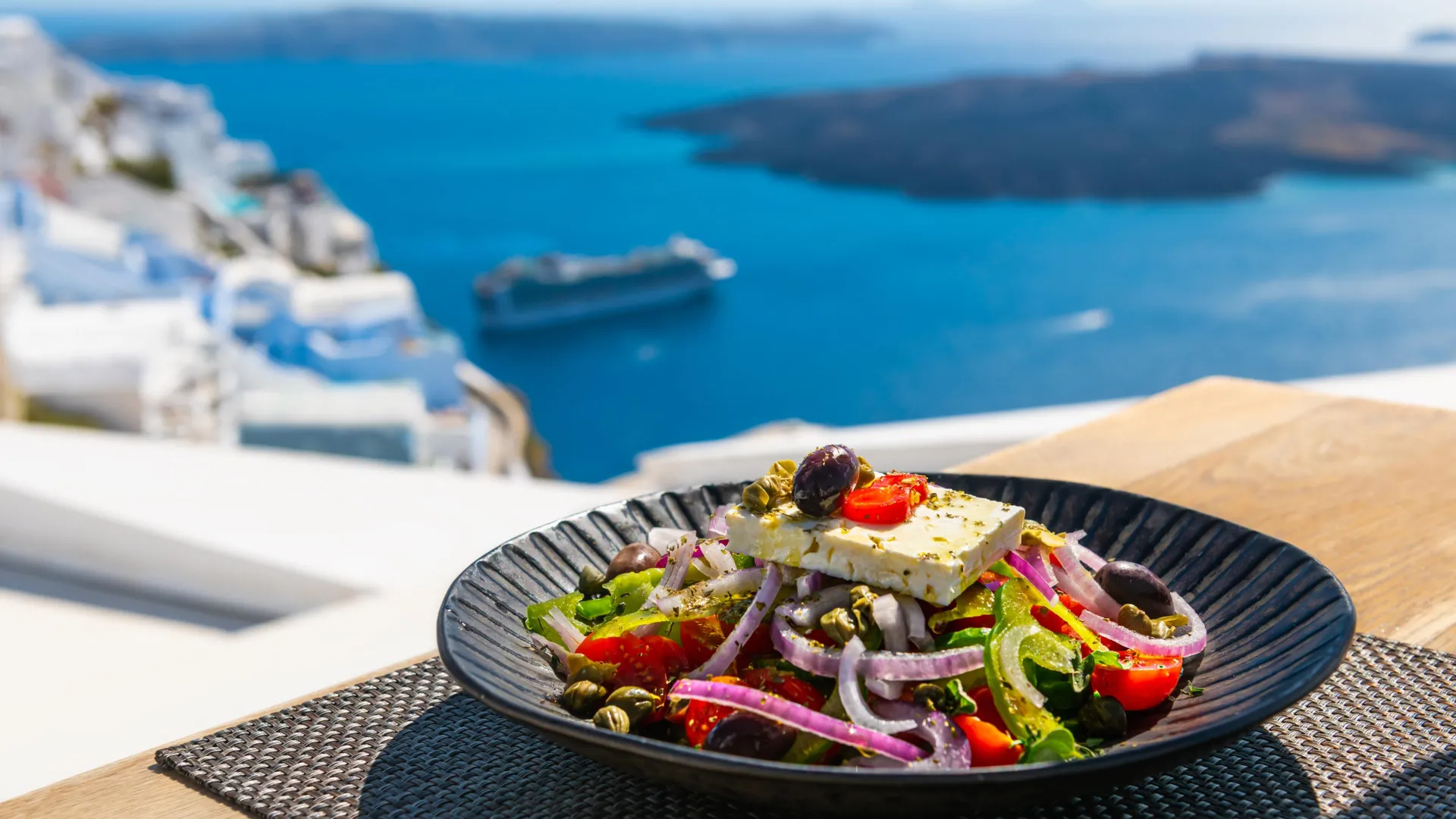
A study found that older adults who closely followed the Mediterranean diet had higher levels of tiny proteins that protect the heart and brain. The diet's emphasis on olive oil, fish, and legumes may be particularly beneficial for healthy aging.
Researchers have discovered a potential link between the Mediterranean diet and the production of tiny proteins that protect the heart and brain. The diet, which is rich in olive oil, fish, legumes, and whole grains, and low in refined carbohydrates, may influence aging through its effect on these proteins. Specifically, the study found that older adults who followed the Mediterranean diet most closely had higher levels of humanin and SHMOOSE, two proteins that have been linked to heart and brain protection. The findings suggest that certain components of the Mediterranean diet, such as olive oil and fish, may be especially important for promoting healthy aging. The study's results could eventually help scientists develop more personalized nutrition plans for older adults. By understanding how different diets affect the production of these protective proteins, researchers may be able to create tailored plans that support healthy aging and reduce the risk of age-related diseases.
Go Deeper
What is the Mediterranean diet and how does it differ from other diets?
The Mediterranean diet is a dietary pattern that is rich in olive oil, fish, legumes, and whole grains, and low in refined carbohydrates. It is often compared to other diets, such as the Western diet, which is high in processed foods and saturated fats.
What are humanin and SHMOOSE and how do they protect the heart and brain?
Humanin and SHMOOSE are tiny proteins that are produced inside the cell's mitochondria. They have been linked to heart and brain protection, and may play a role in reducing the risk of age-related diseases such as heart disease and Alzheimer's disease.
How did the study measure the effects of the Mediterranean diet on protein production?
The study measured the levels of humanin and SHMOOSE in older adults who followed the Mediterranean diet, and compared them to those who did not follow the diet as closely. The researchers found that those who followed the diet most closely had higher levels of these protective proteins.
What are the potential implications of this study for public health?
The study's findings could have important implications for public health, particularly in the area of healthy aging. By understanding how different diets affect the production of protective proteins, researchers may be able to create personalized nutrition plans that support healthy aging and reduce the risk of age-related diseases.
Are there any limitations to the study's findings and what further research is needed?
While the study's findings are promising, there are likely limitations to the research. Further studies are needed to confirm the results and to understand the mechanisms by which the Mediterranean diet affects protein production. Additionally, more research is needed to determine whether the findings can be applied to other populations and age groups.
More health
 health50+
Researchers Identify Potential Driver of Aging in Immune Cells
A study found that immune cells losing their ability to clear away damaged cells may contribute to aging. Blocking a specific receptor in mice helped
Sep 27 health50+
Study Finds Dementia Risk Factors in People Over 90
A recent study examined dementia risk in people over 90 and found that sex, race, and genetics play a significant role. The study also identified indi
Sep 27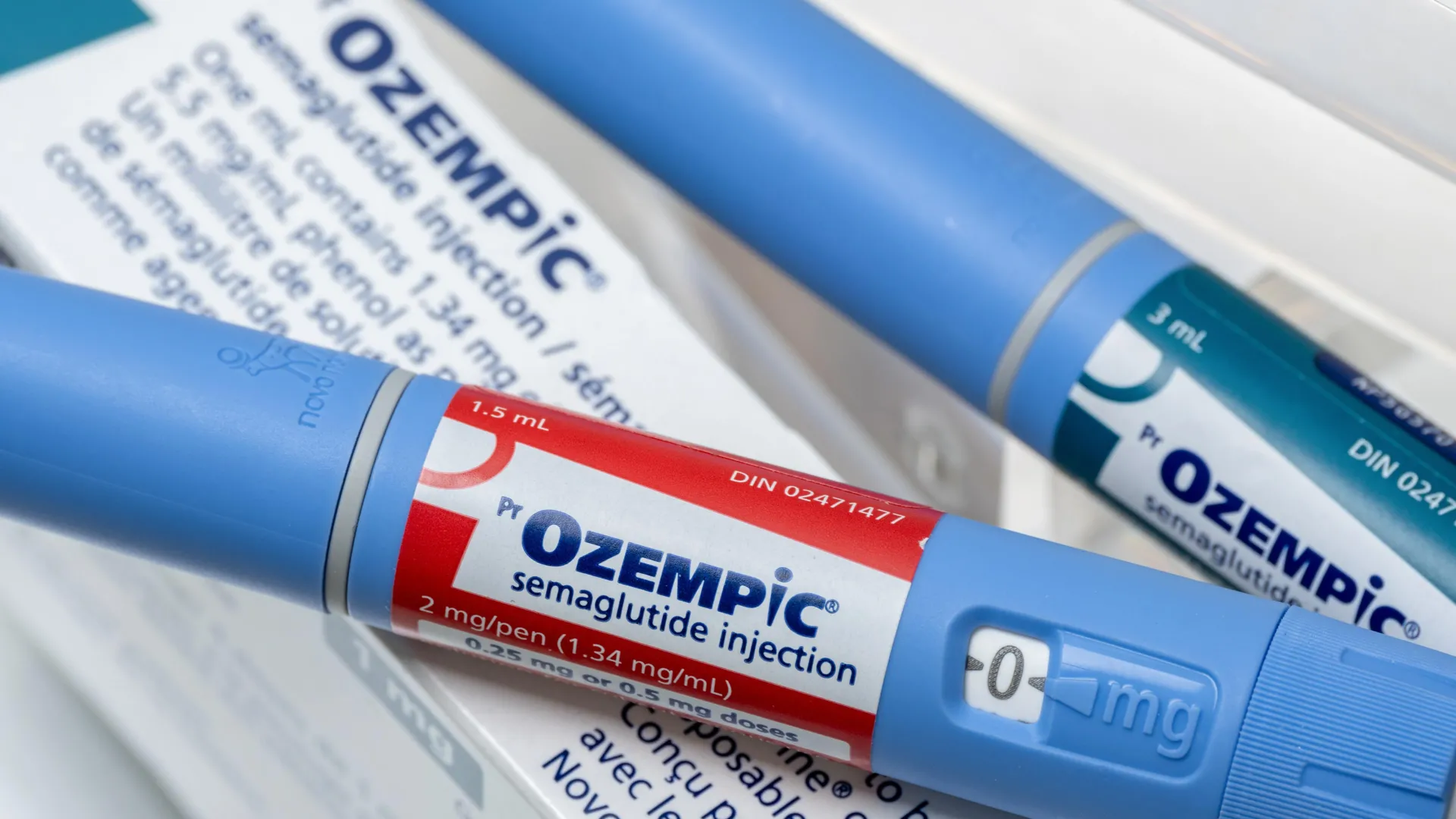 health50+
Ozempic Shows Promise in Slowing Aging in Mice
Scientists have found that semaglutide, the active ingredient in Ozempic, may help slow aging in older healthy mice. The drug improved memory, muscle
Sep 27