
Obesity Rates Double in England Since 1993
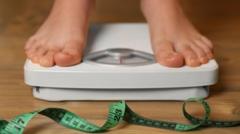
Obesity rates in England have doubled since 1993, with around seven million more adults living with obesity. This increase has significant implications for public health in the country.
Obesity rates in England have doubled since 1993. Around seven million more adults are living with obesity than would have been if obesity rates had stayed the same as 1993.
The exact causes of this increase are complex and multifaceted, involving factors such as diet, physical activity levels, and broader societal changes.
Understanding the reasons behind this trend is crucial for developing effective strategies to address the issue and improve public health outcomes.
The impact of obesity on individuals and the healthcare system is substantial, making it a significant concern for policymakers and health professionals.
Go Deeper
What are the main factors contributing to the rise in obesity rates?
The main factors include changes in diet, decreased physical activity, and broader societal changes. These factors can interact with each other and with individual characteristics to influence obesity risk.
How does obesity affect public health?
Obesity is linked to an increased risk of various health conditions, including diabetes, heart disease, and certain types of cancer. It also places a significant burden on healthcare systems.
What strategies can help address the obesity issue?
Effective strategies may include promoting healthy eating habits, encouraging physical activity, and implementing policies that support these goals, such as improved food labeling and safe spaces for physical activity.
Are there any demographic differences in obesity rates?
Yes, obesity rates can vary by demographic factors such as age, gender, and socioeconomic status. Understanding these differences is important for tailoring interventions to the needs of specific populations.
How can individuals reduce their risk of obesity?
Individuals can reduce their risk by maintaining a balanced diet, engaging in regular physical activity, and avoiding sedentary behaviors. Professional guidance from healthcare providers can also be beneficial.
More health
 health
Weight-Loss Medication Affects Alcohol Consumption
Some individuals taking weight-loss drugs have reported a decrease in their desire to consume alcohol or experienced nausea when drinking. This phenom
Aug 9 health
Women Discuss Luteal Phase on Social Media
The luteal phase is a topic of increasing discussion among women on social media. This phase is part of the menstrual cycle and can have various effec
Aug 8 health50+
Private Body Scan Industry Experiences Rapid Growth
The private body scan industry is growing rapidly. Some people are using these scans to monitor their health.
Aug 8