
OpenAI Launches Dots AI Assistant to Compete with Meta's Muse
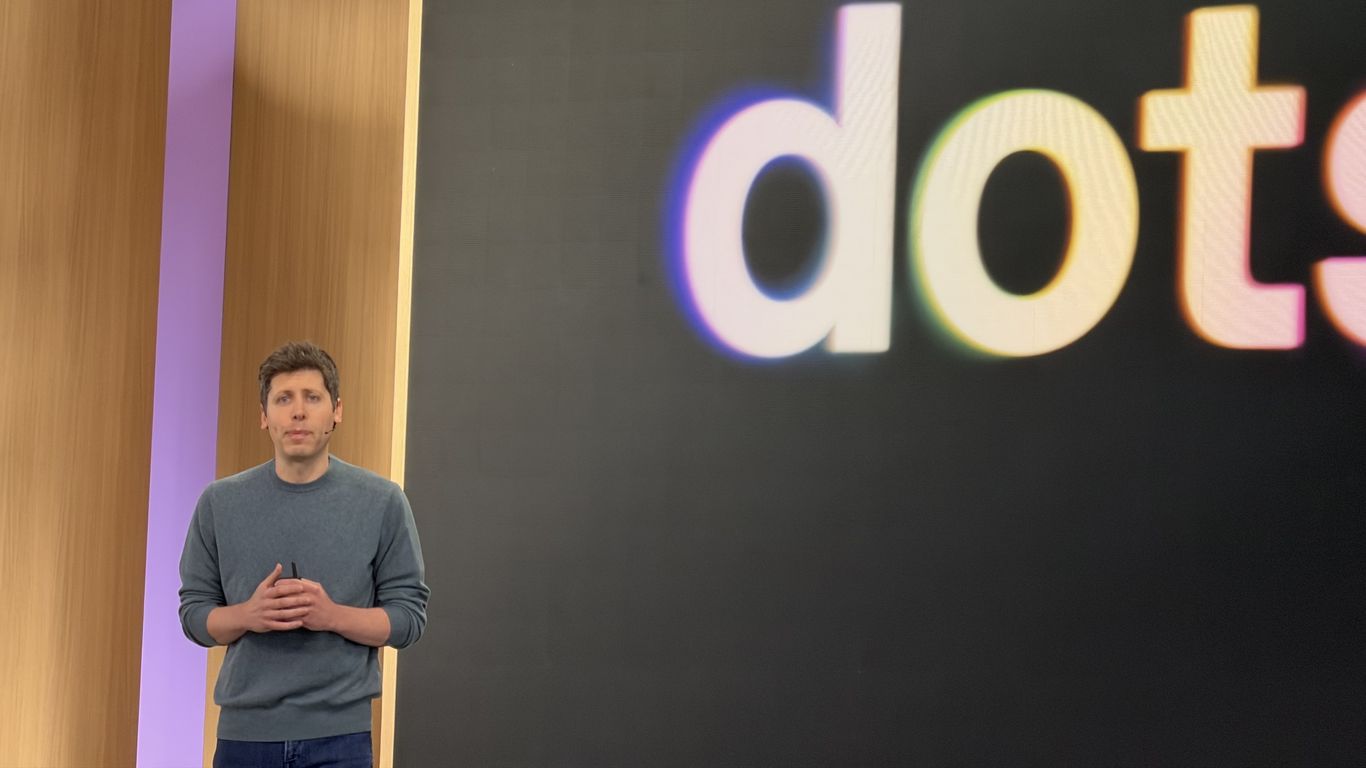
OpenAI has introduced dots, a new AI assistant designed to perform various tasks, as a competitor to Meta's Muse. Dots are available to Pro, Business, and Enterprise users, with the goal of eventually enabling teams of dots to work together.
OpenAI launched its new AI assistant, called dots, at a developer event. According to OpenAI's Altman, dots are the 'real deal version of AI we've always imagined,' inspired by examples of AI assistants in movies. Dots can be instructed to perform a wide range of tasks, from researching and analyzing data to preparing documents and building software.
Users provide a goal to a dot and set boundaries for what it can do on its own. The assistant can keep work moving in the background and reach out when it needs attention or more detail to complete a task. OpenAI says dots 'are an extension of you' and are meant to compete with other consumer-focused AI assistants. Dots are powered by GPT-6 Astra and have their own cloud computer, allowing them to work across connected apps.
OpenAI is targeting high-end subscribers, mostly developers, with dots, while Meta's Muse is widely available to its massive user base. Other companies, such as Apple and Instinct, are also developing AI assistants. OpenAI debuted GPT-6.1 Sol, which delivers near-Astra performance at a lower cost, and is lowering usage caps for new ChatGPT Pro customers.
Go Deeper
What is the main difference between OpenAI's dots and Meta's Muse?
OpenAI's dots are initially targeting high-end subscribers, mostly developers, while Meta's Muse is widely available to its massive user base. Dots are also powered by GPT-6 Astra and have their own cloud computer, allowing for more advanced capabilities.
What tasks can OpenAI's dots perform?
Dots can perform a wide range of tasks, including researching and analyzing data, preparing documents, and building software. They can also work across connected apps, such as Codex and ChatGPT Work.
How do users interact with OpenAI's dots?
Users provide a goal to a dot and set boundaries for what it can do on its own. The assistant can keep work moving in the background and reach out when it needs attention or more detail to complete a task.
What is GPT-6.1 Sol, and how does it compare to GPT-6 Astra?
GPT-6.1 Sol is a new AI model from OpenAI that delivers near-Astra performance at one-fifth the cost. This makes it a more affordable option for users who need advanced AI capabilities.
How will OpenAI's dots evolve in the future?
OpenAI envisions teams of dots working together in the future, allowing for more complex and collaborative tasks to be performed. This could enable new use cases and applications for AI assistants in various industries.
More technology
Fraud Losses for Older Americans Jump Fivefold as Holiday Scams Ramp Up
Fraud losses reported by Americans 60 and older have grown about fivefold since 2020, and scammers are now pushing fake delivery texts and a phony fee
Nov 14technology50+Microsoft Outage Knocks Out Outlook Email and Disrupts Work Tools
A major outage hit Microsoft's cloud email service on Thursday, cutting off Outlook mail and calendars and disrupting parts of Teams and other tools.
Nov 13technology50+Three Men Charged in a $129 Million Scheme That Faked Bosses' Voices With AI
Federal prosecutors in New York say three men used artificial intelligence to copy the voices of company executives and steal about 129 million dollar
Nov 12