
Ozempic and Wegovy's Active Ingredient May Slow Biological Aging
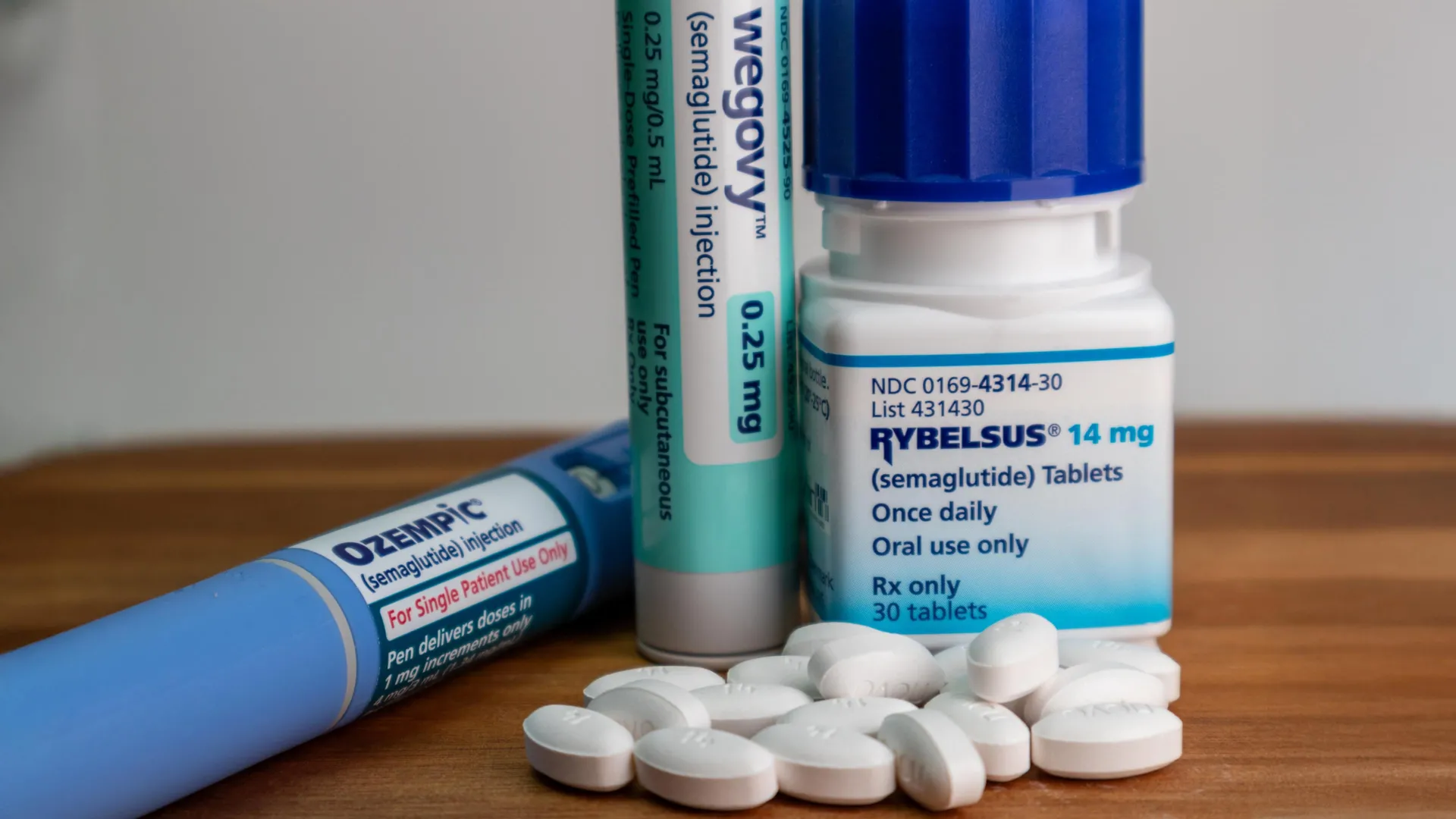
Researchers have found that semaglutide, the active ingredient in Ozempic and Wegovy, slowed biological aging markers in adults with HIV. The findings suggest that the drug may influence human aging, but larger studies are needed to confirm the results.
A recent study has shown that semaglutide, the active ingredient in the popular weight-loss drugs Ozempic and Wegovy, may have an effect on biological aging. The research found that semaglutide slowed biological aging markers in adults with HIV. This is the first clinical evidence that the drug may influence human aging. The study's findings are encouraging, but scientists are cautioning that larger studies are needed before any conclusions can be drawn about the medication's ability to help people age more slowly. The researchers are hopeful that their findings could lead to new avenues of research into the effects of semaglutide on aging. However, they also emphasize the need for further study to fully understand the potential benefits and risks of using the drug to slow biological aging. As the research continues to unfold, it may have significant implications for our understanding of the aging process and the development of new treatments to promote healthy aging.
The study's results are based on the analysis of biological aging markers in adults with HIV who were treated with semaglutide. The researchers used a variety of measures to assess biological aging, including epigenetic clocks and telomere length. They found that semaglutide slowed the pace of biological aging in these individuals, which could have important implications for their health and well-being. While the findings are promising, the researchers are careful to note that more research is needed to confirm the results and to understand the potential mechanisms by which semaglutide may influence biological aging.
Go Deeper
What are Ozempic and Wegovy?
Ozempic and Wegovy are popular weight-loss drugs that contain the active ingredient semaglutide. They are used to help people lose weight and improve their overall health.
What are biological aging markers?
Biological aging markers are measures used to assess the pace of aging in an individual. They can include epigenetic clocks, telomere length, and other indicators of biological age.
How did the researchers study the effect of semaglutide on biological aging?
The researchers studied the effect of semaglutide on biological aging by analyzing biological aging markers in adults with HIV who were treated with the drug. They used a variety of measures to assess biological aging, including epigenetic clocks and telomere length.
What are the implications of the study's findings?
The study's findings suggest that semaglutide may have an effect on biological aging, which could have important implications for our understanding of the aging process and the development of new treatments to promote healthy aging. However, more research is needed to confirm the results and to understand the potential mechanisms by which semaglutide may influence biological aging.
What's next for the research on semaglutide and biological aging?
The researchers are hopeful that their findings will lead to new avenues of research into the effects of semaglutide on aging. They plan to conduct larger studies to confirm the results and to understand the potential benefits and risks of using the drug to slow biological aging.
More health
Medicare Drug Plan Deductible Limit Rises to $700 in 2027; Enrollment Ends December 7
Medicare's standard drug coverage numbers rise in 2027, with the deductible limit moving to $700 and the yearly out-of-pocket cap to $2,400, though wh
Nov 14health50+4.3 Million People Must Replace a Medicare Plan That Ends This Year
KFF, using federal plan files, says 4.3 million people will lose a Medicare Advantage drug plan or a stand-alone drug plan at the end of 2026. Open en
Nov 12health50+Study Links a Common Bone Medicine to a Lower Dementia Risk
Research from the University of Hong Kong, shared widely by ScienceDaily on November 9, found that older adults with weak bones who took a common bone
Nov 11