
Pete Hegseth Proposes High-Testosterone Therapy for Military
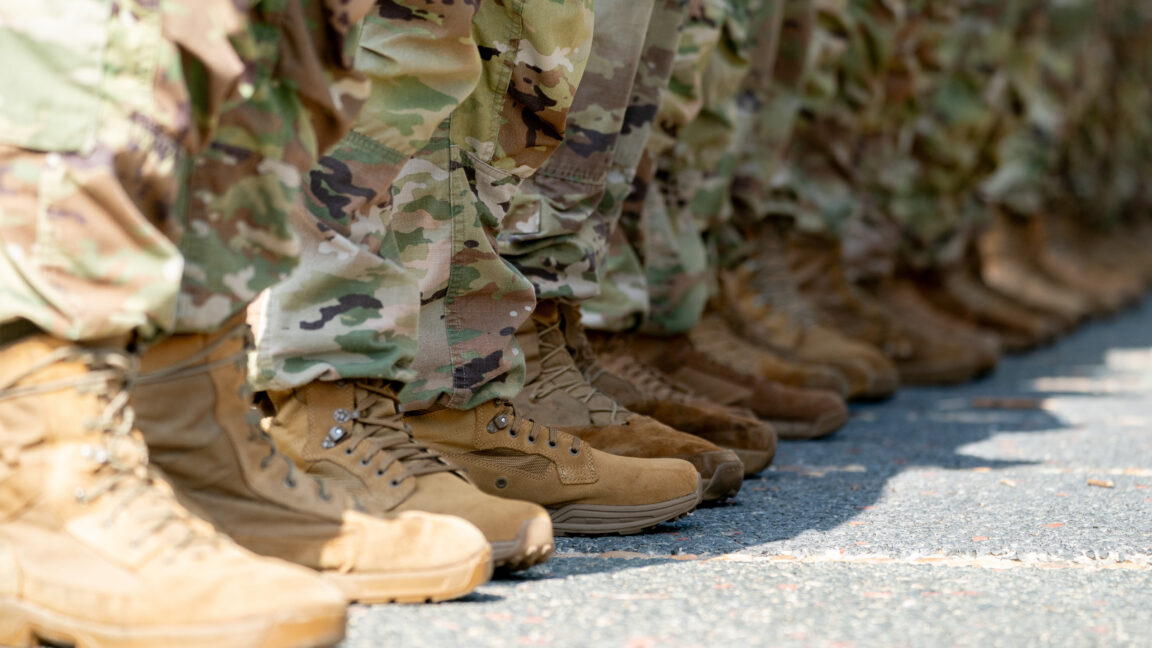
Pete Hegseth has proposed a 'High-T' military. Doctors have expressed concerns about the idea, citing potential health risks.
Pete Hegseth has proposed implementing 'High-T' therapy in the military. According to Hegseth, this would involve administering high levels of testosterone to servicemen to enhance their physical performance. Doctors have pushed back against the idea, calling it a 'clinical minefield' due to the potential health risks associated with high testosterone levels. They argue that such therapy could lead to a range of problems, including increased aggression and cardiovascular issues. The proposal has sparked a debate about the role of medical intervention in military training. Some experts argue that the potential benefits of 'High-T' therapy are outweighed by the potential risks to servicemen's health. Others see it as a way to give the military a competitive edge. The discussion is ongoing, with no clear decision on whether the proposal will move forward.
The medical community is particularly concerned about the long-term effects of 'High-T' therapy, citing a lack of research on the subject. They also point out that the military already has rigorous training programs in place to enhance physical performance, and that 'High-T' therapy may not be necessary. As the debate continues, it remains to be seen whether 'High-T' therapy will become a part of military training.
Go Deeper
What is 'High-T' therapy?
High-T therapy, or high-testosterone therapy, involves administering high levels of testosterone to individuals to enhance their physical performance. It is often used to treat low testosterone levels in men, but its use in military training is a subject of debate.
What are the potential health risks of 'High-T' therapy?
The potential health risks of 'High-T' therapy include increased aggression, cardiovascular issues, and other problems. Doctors are concerned that the therapy could lead to a range of health issues, particularly in the long term.
Why do some experts support 'High-T' therapy in the military?
Some experts see 'High-T' therapy as a way to give the military a competitive edge. They argue that it could enhance physical performance and improve overall effectiveness.
What is the current state of research on 'High-T' therapy?
There is a lack of research on the long-term effects of 'High-T' therapy, particularly in the context of military training. The medical community is calling for more studies to be done before the therapy is implemented.
Will 'High-T' therapy be implemented in the military?
It is unclear whether 'High-T' therapy will be implemented in the military. The proposal is still being debated, and a decision has not been made yet.
More technology
 technology
Physical Video Game Sales Continue to Decline
The sales of physical video games have been decreasing over time. This trend is expected to continue as digital game sales become more popular.
Jul 19 technology
Texas High School Students Compete in 630-Mile Solar Car Race
Dozens of high school student teams will participate in a five-day, 630-mile solar car race across Texas. The students designed and built their own ca
Jul 19 technology
AI-Generated Text Messages Used in Political Campaigns
Political campaigns are using AI-generated text messages to connect with voters. These messages are designed to sound like they come from a candidate.
Jul 19