
Researchers Find Possible Cause of Long COVID Fatigue and Brain Fog
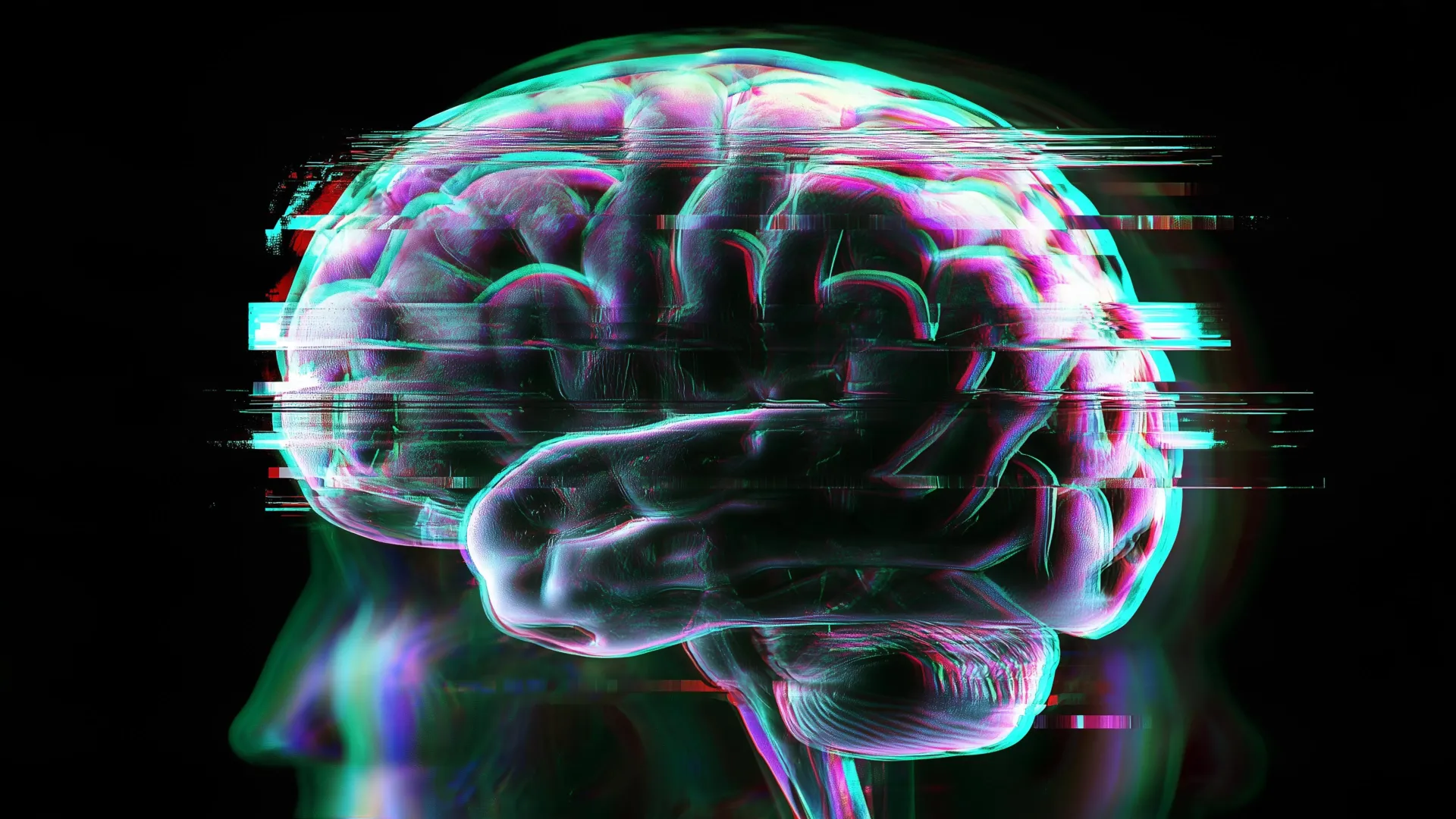
Brain scans have revealed that long COVID may damage dopamine releasing neurons in the brain. This discovery could lead to new treatments for persistent fatigue, low motivation, and memory difficulties.
Researchers have found evidence that long COVID damages dopamine releasing neurons in the brain. This damage could be the cause of persistent fatigue, low motivation, slowed movement, and memory difficulties that some people experience after having COVID-19.
The discovery was made using brain scans, which showed changes in the brain's dopamine system. Dopamine is a neurotransmitter that plays a key role in motivation, movement, and memory. Damage to dopamine releasing neurons could explain why some people with long COVID experience these symptoms.
The findings could lead to new treatments that target the brain's dopamine system. This could provide relief for people who are experiencing persistent fatigue, low motivation, and memory difficulties due to long COVID.
Go Deeper
What is long COVID?
Long COVID refers to the persistent symptoms that some people experience after having COVID-19, such as fatigue, low motivation, and memory difficulties. These symptoms can last for weeks or even months after the initial illness has passed.
How does dopamine affect the body?
Dopamine is a neurotransmitter that plays a key role in motivation, movement, and memory. It helps regulate emotions, movement, and the ability to experience pleasure and pain.
What kind of treatments could target the brain's dopamine system?
Treatments that target the brain's dopamine system could include medications that increase dopamine levels or improve dopamine function. Other treatments, such as cognitive therapy or lifestyle changes, may also be helpful in managing symptoms of long COVID.
How common is long COVID?
Long COVID is a relatively common condition, with some studies suggesting that up to 30% of people who have had COVID-19 may experience persistent symptoms. However, more research is needed to understand the true prevalence of long COVID.
What are the next steps for researching long COVID?
Further research is needed to confirm the findings and to develop effective treatments for long COVID. This may involve larger studies, as well as clinical trials of potential treatments that target the brain's dopamine system.
More health
 health50+
Researchers Identify Potential Driver of Aging in Immune Cells
A study found that immune cells losing their ability to clear away damaged cells may contribute to aging. Blocking a specific receptor in mice helped
Sep 27 health50+
Study Finds Dementia Risk Factors in People Over 90
A recent study examined dementia risk in people over 90 and found that sex, race, and genetics play a significant role. The study also identified indi
Sep 27 health50+
Ozempic Shows Promise in Slowing Aging in Mice
Scientists have found that semaglutide, the active ingredient in Ozempic, may help slow aging in older healthy mice. The drug improved memory, muscle
Sep 27