
Researchers Find Possible Link Between Blood Cancer Mutations and Alzheimer's Disease

Scientists have discovered a potential connection between mutations associated with blood cancers and the development of Alzheimer's disease. This finding may lead to new screening methods and treatments for Alzheimer's.
Researchers have made a surprising discovery about the potential causes of Alzheimer's disease. They found that mutations linked to blood cancers may contribute to the development of Alzheimer's by creating overly inflammatory immune cells in the brain. This unexpected finding could have significant implications for the diagnosis and treatment of Alzheimer's disease.
The discovery may lead to the development of new blood-based screening methods for Alzheimer's. Additionally, it could result in the creation of new treatments for the disease, potentially borrowed from cancer medicine. This could provide new hope for patients with Alzheimer's and their families.
The study's findings are based on research into the genetic mutations that cause blood cancers. By exploring the connection between these mutations and Alzheimer's, scientists may be able to gain a better understanding of the underlying causes of the disease. This knowledge could ultimately lead to more effective treatments and improved patient outcomes.
Go Deeper
What kind of mutations are linked to both blood cancers and Alzheimer's disease?
The mutations are associated with blood cancers and may contribute to the development of Alzheimer's by creating overly inflammatory immune cells in the brain. These mutations can affect the way the immune system functions, leading to inflammation and potentially causing damage to brain cells.
How could this discovery lead to new screening methods for Alzheimer's?
The discovery could lead to the development of blood-based screening methods for Alzheimer's. This would allow doctors to test patients for the disease using a simple blood test, rather than relying on more invasive and expensive procedures.
What kinds of treatments might be borrowed from cancer medicine to treat Alzheimer's?
Treatments that target the inflammatory immune cells in the brain might be effective in treating Alzheimer's. This could include medications that are currently used to treat blood cancers, as well as other therapies that reduce inflammation and promote healing in the brain.
How might this discovery impact our understanding of the causes of Alzheimer's disease?
The discovery could help scientists understand the underlying causes of Alzheimer's disease. By exploring the connection between genetic mutations and the development of the disease, researchers may be able to identify new risk factors and develop more effective treatments.
What are the potential benefits of this discovery for patients with Alzheimer's and their families?
The discovery could lead to the development of new and more effective treatments for Alzheimer's. This could improve the quality of life for patients with the disease and provide hope for families who are affected by it.
More health
 health50+
Mental Stimulation May Reduce Alzheimer's Risk
A lifetime of mental stimulation may help protect the brain as we age. People with high levels of cognitive enrichment had a lower risk of Alzheimer's
Jul 17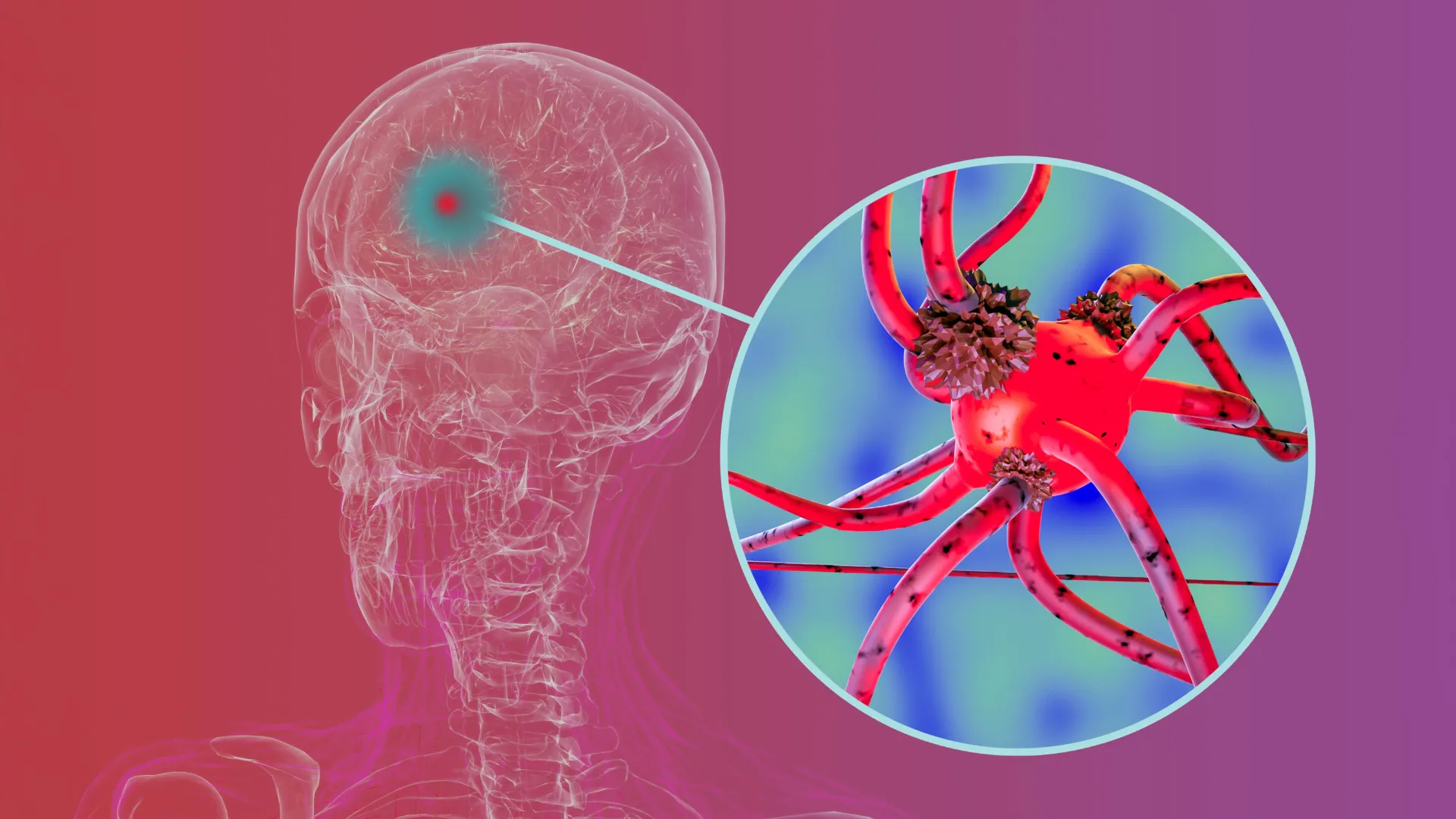 health50+
Researchers Identify Protein That May Contribute to Parkinson's Spread
Researchers have identified a protein called GPNMB that may play a role in the spread of Parkinson's disease through the brain. In experiments, blocki
Jul 16 health50+
Study Links High Meat Consumption to Lower Alzheimer’s Risk for Some Genetic Groups
A new study suggests that older adults with high-risk APOE gene variants may experience slower cognitive decline if they eat high amounts of meat. The
Jul 16