
Researchers Link Alzheimer's Risk Gene to Brain Cell Shrinkage
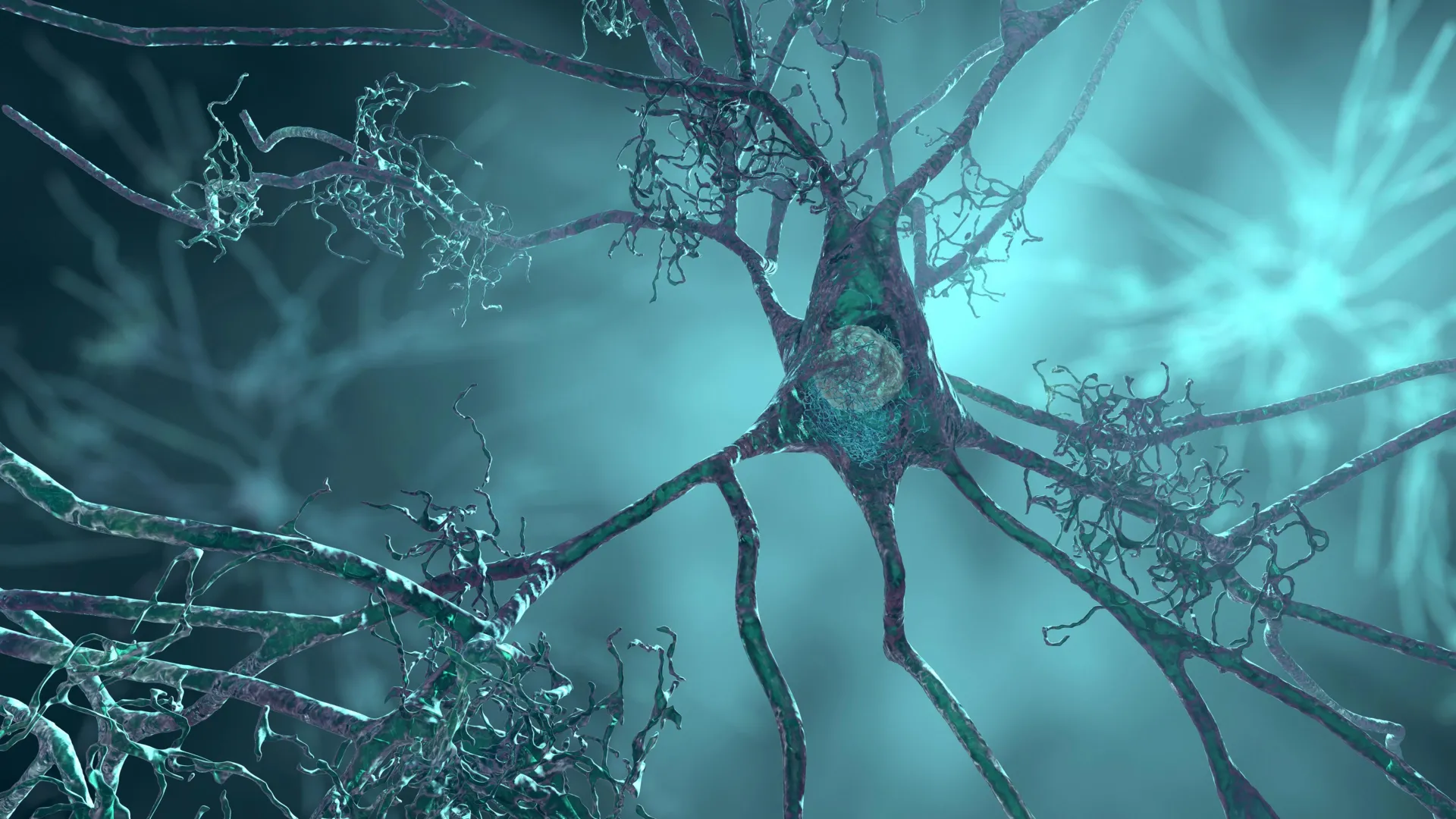
Scientists have found that the APOE4 gene, a major risk factor for Alzheimer's, may cause brain cells to shrink years before symptoms appear. This discovery was made in a study using mice, which showed that reducing a specific protein could reverse the abnormal changes caused by the gene.
Researchers have made a significant discovery about the APOE4 gene, which is a major risk factor for Alzheimer's disease. In a study using mice, they found that APOE4 increases a protein called Nell2, leading to shrinkage of neurons and abnormal hyperactivity in memory circuits. This hyperactivity was found to predict worse memory later in life. The study also showed that reducing Nell2 in adult mice could reverse the abnormal changes caused by the APOE4 gene. This finding raises hopes for a new way to intervene before Alzheimer's disease progresses. The discovery provides new insight into how the APOE4 gene disrupts the brain long before memory problems begin. By understanding the mechanisms behind this disruption, scientists may be able to develop new treatments to prevent or slow the progression of Alzheimer's. The study's results suggest that reducing Nell2 could be a potential strategy for intervening early in the disease process.
Go Deeper
What is the APOE4 gene and how is it related to Alzheimer's?
The APOE4 gene is a major risk factor for Alzheimer's disease, and researchers have found that it can disrupt the brain long before symptoms appear. The gene increases a protein called Nell2, leading to shrinkage of neurons and abnormal hyperactivity in memory circuits.
How did the researchers make this discovery?
The researchers made this discovery in a study using mice, which allowed them to examine the effects of the APOE4 gene on the brain. They found that reducing Nell2 in adult mice could reverse the abnormal changes caused by the gene.
What are the implications of this discovery for Alzheimer's treatment?
The discovery raises hopes for a new way to intervene before Alzheimer's disease progresses. By reducing Nell2, scientists may be able to prevent or slow the progression of the disease, and this could lead to new treatments for Alzheimer's.
What is Nell2 and how does it affect the brain?
Nell2 is a protein that is increased by the APOE4 gene, leading to shrinkage of neurons and abnormal hyperactivity in memory circuits. Reducing Nell2 in adult mice was found to reverse the abnormal changes caused by the APOE4 gene.
Could this discovery lead to new ways to prevent Alzheimer's?
Yes, the discovery could lead to new ways to prevent Alzheimer's. By understanding the mechanisms behind the disruption caused by the APOE4 gene, scientists may be able to develop new treatments to prevent or slow the progression of the disease, and this could include reducing Nell2 as a potential strategy.
More health
 health50+
CDC Declares Cyclospora Outbreak Over
The Centers for Disease Control and Prevention has declared the Cyclospora outbreak related to Taylor Farms lettuce over, with the number of recent in
Sep 11 health50+
Fall Vaccine Recommendations and Rollout Announced
Health officials have released evidence-based recommendations for fall vaccines. The rollout for this year's vaccines has also been announced, providi
Sep 10 health50+
Dolly Parton Kept Cancer Diagnosis Private
Dolly Parton's sister, Stella Parton, revealed that Dolly kept her cancer diagnosis a secret. According to Stella, Dolly did not want to worry her fan
Sep 10