
Researchers Link Serotonin to Tinnitus
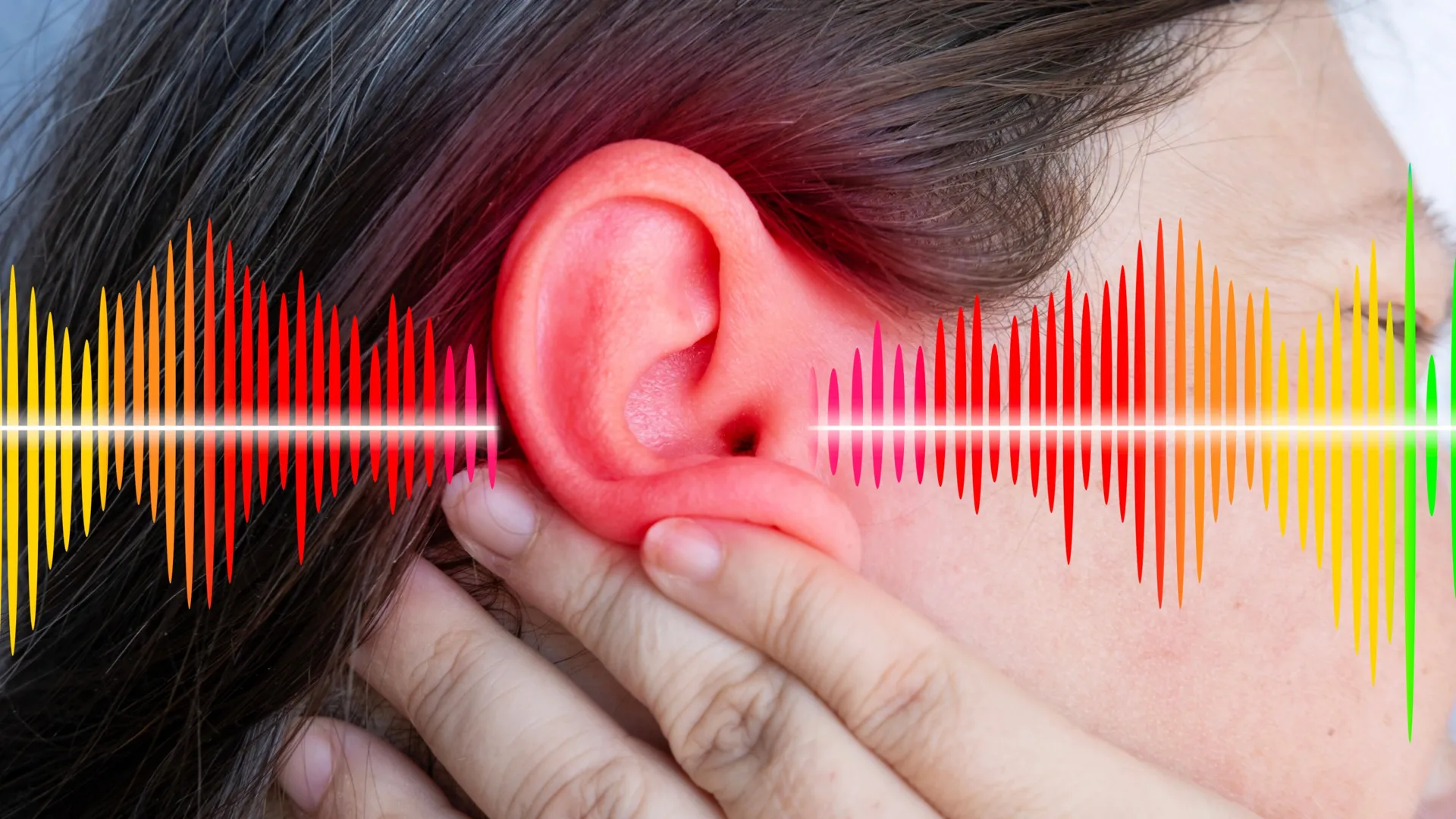
Scientists found that serotonin, a brain chemical, may worsen tinnitus in some individuals. The discovery was made using advanced light-based brain stimulation in mice.
Researchers have made a significant discovery about the potential link between serotonin and tinnitus. Serotonin, often referred to as the brain's 'feel good' chemical, is targeted by many antidepressants. However, scientists have now found evidence that it may actually worsen tinnitus. This finding was made possible through the use of advanced light-based brain stimulation in mice, which allowed researchers to identify a serotonin-driven circuit linked directly to tinnitus-like behavior.
The study's results may provide an explanation for why some people experience louder ringing in their ears while taking selective serotonin reuptake inhibitors (SSRIs), a common type of antidepressant. The connection between serotonin and tinnitus could lead to a greater understanding of the condition and potentially guide the development of new treatments.
The research focused on the role of serotonin in the brain and its potential impact on tinnitus. By using mice as test subjects, scientists were able to simulate tinnitus-like behavior and observe the effects of serotonin on the condition. The findings suggest that serotonin may play a more complex role in the brain than previously thought, and its effects can vary depending on the context.
Go Deeper
What is serotonin and how does it affect the brain?
Serotonin is a brain chemical that helps regulate mood, appetite, and sleep. It is often targeted by antidepressants to help improve mood and reduce symptoms of depression.
What is tinnitus and how does it affect people?
Tinnitus is a condition characterized by ringing or other sounds in the ears when no external source is present. It can be caused by a variety of factors, including exposure to loud noises, certain medications, and some health conditions.
How did researchers make this discovery?
Researchers used advanced light-based brain stimulation in mice to identify a serotonin-driven circuit linked to tinnitus-like behavior. This allowed them to study the effects of serotonin on the condition in a controlled environment.
What does this discovery mean for people taking SSRIs?
The findings suggest that some people taking SSRIs may experience louder ringing in their ears due to the increased levels of serotonin in the brain. However, more research is needed to fully understand the relationship between SSRIs and tinnitus.
Could this discovery lead to new treatments for tinnitus?
Yes, the connection between serotonin and tinnitus could guide the development of new treatments for the condition. By understanding the role of serotonin in tinnitus, researchers may be able to create more effective therapies to help manage the condition.
More health
 health50+
Mental Stimulation May Reduce Alzheimer's Risk
A lifetime of mental stimulation may help protect the brain as we age. People with high levels of cognitive enrichment had a lower risk of Alzheimer's
Jul 17 health50+
Researchers Identify Protein That May Contribute to Parkinson's Spread
Researchers have identified a protein called GPNMB that may play a role in the spread of Parkinson's disease through the brain. In experiments, blocki
Jul 16 health50+
Study Links High Meat Consumption to Lower Alzheimer’s Risk for Some Genetic Groups
A new study suggests that older adults with high-risk APOE gene variants may experience slower cognitive decline if they eat high amounts of meat. The
Jul 16