
Researchers Propose Two-Stage Aging Process for Age-Related Diseases
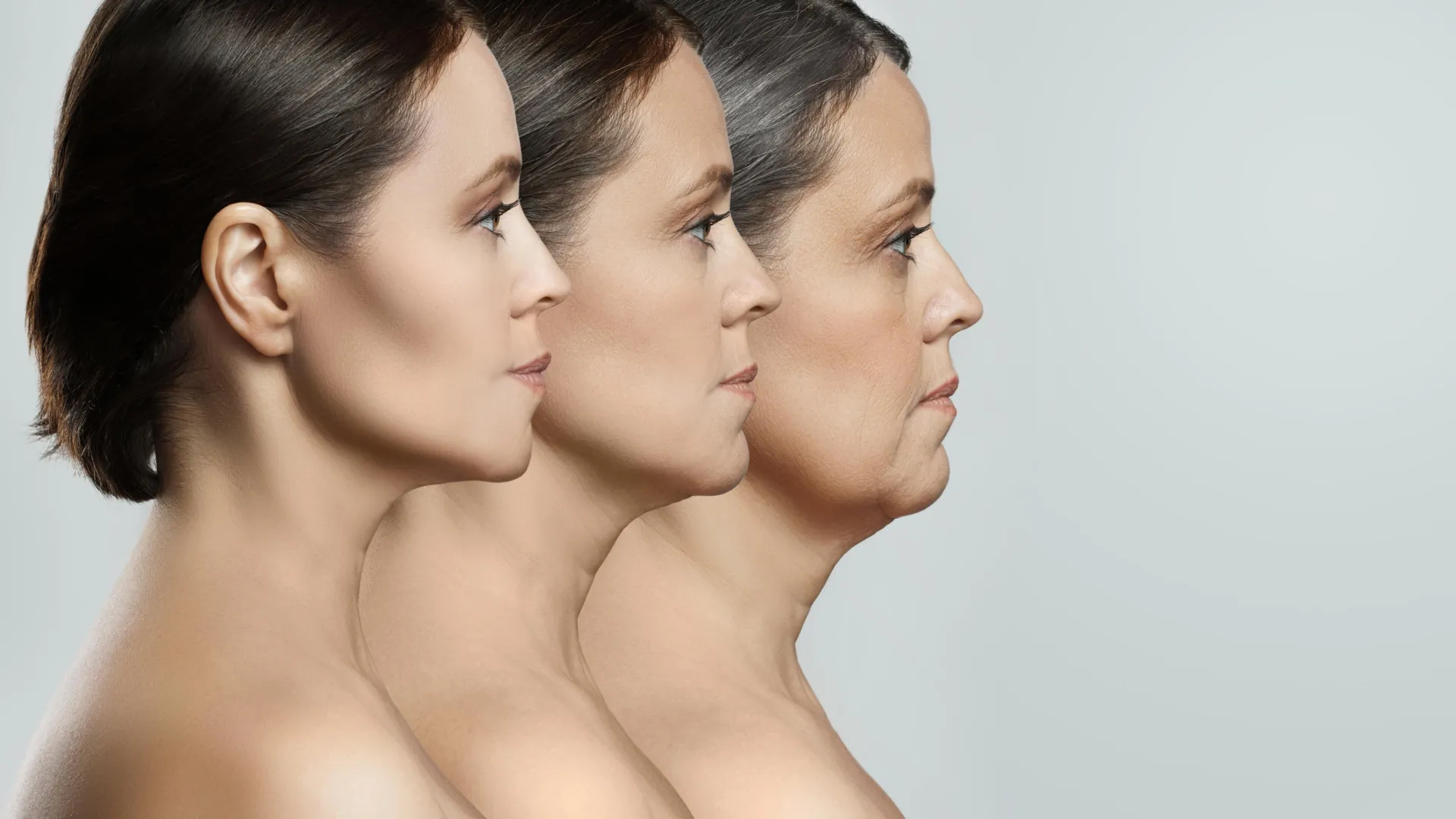
Scientists have proposed a new theory that age-related diseases may start decades before symptoms appear. According to researchers, early-life damage can remain hidden until aging weakens the body's ability to control it.
Researchers have proposed a new theory that suggests many age-related diseases may actually start decades before symptoms appear. This theory proposes a two-stage aging process, where early-life damage from infections, injuries, or genetic mutations can remain hidden until aging weakens the body's ability to keep it under control.
This could explain why conditions like cancer, osteoarthritis, and shingles suddenly emerge later in life. The idea is that the body is able to suppress or manage the damage when it is younger, but as it ages, its ability to do so decreases, allowing the disease to manifest.
The researchers' theory may provide new insights into the development of age-related diseases and could potentially lead to new approaches for prevention and treatment. By understanding how these diseases develop over time, scientists may be able to identify ways to intervene earlier in the process, potentially reducing the risk of age-related diseases.
Go Deeper
What kind of early-life damage can contribute to age-related diseases?
According to researchers, early-life damage from infections, injuries, or genetic mutations can contribute to age-related diseases. This damage can remain hidden until aging weakens the body's ability to control it.
How does the body's ability to control damage change with age?
As the body ages, its ability to suppress or manage damage decreases, allowing diseases to manifest. This is because the body's systems and cells become less efficient and less able to repair damage over time.
What are some examples of age-related diseases that may be explained by this theory?
Conditions like cancer, osteoarthritis, and shingles are examples of age-related diseases that may be explained by this theory. These diseases often emerge suddenly later in life, and this theory may provide an explanation for why this happens.
Could this theory lead to new approaches for prevention and treatment of age-related diseases?
Yes, the researchers' theory may provide new insights into the development of age-related diseases and could potentially lead to new approaches for prevention and treatment. By understanding how these diseases develop over time, scientists may be able to identify ways to intervene earlier in the process.
What are the potential benefits of understanding the two-stage aging process?
Understanding the two-stage aging process could potentially lead to new ways to reduce the risk of age-related diseases. By identifying ways to intervene earlier in the process, scientists may be able to develop new strategies for preventing or delaying the onset of these diseases.
More health
 health50+
Mental Stimulation May Reduce Alzheimer's Risk
A lifetime of mental stimulation may help protect the brain as we age. People with high levels of cognitive enrichment had a lower risk of Alzheimer's
Jul 17 health50+
Researchers Identify Protein That May Contribute to Parkinson's Spread
Researchers have identified a protein called GPNMB that may play a role in the spread of Parkinson's disease through the brain. In experiments, blocki
Jul 16 health50+
Study Links High Meat Consumption to Lower Alzheimer’s Risk for Some Genetic Groups
A new study suggests that older adults with high-risk APOE gene variants may experience slower cognitive decline if they eat high amounts of meat. The
Jul 16