
Researchers Propose Two-Stage Aging Process
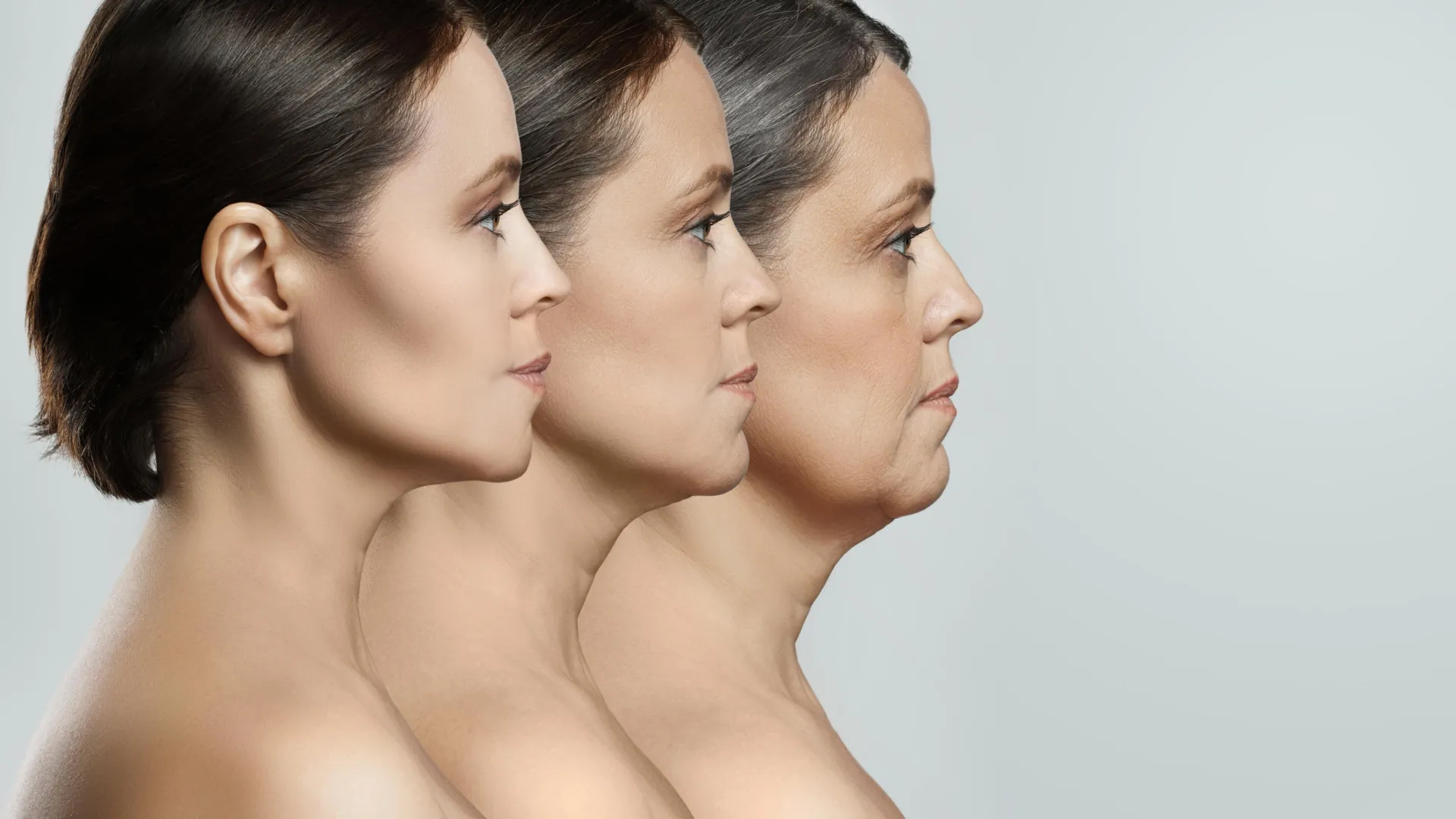
Scientists have discovered a potential two-stage aging process that may contribute to the development of age-related diseases. This process suggests that early-life damage can remain hidden until aging weakens the body's ability to control it.
Scientists have proposed a new theory that many age-related diseases may originate decades before symptoms appear. According to researchers, early-life damage from various sources such as infections, injuries, or genetic mutations can remain dormant until the aging process weakens the body's ability to keep it under control. This theory may provide an explanation for the sudden emergence of conditions like cancer, osteoarthritis, and shingles later in life. The two-stage aging process suggests that the initial damage occurs early in life, but the symptoms do not appear until the body's ability to suppress the damage declines with age. This discovery could lead to a better understanding of age-related diseases and potentially guide the development of new treatments. Researchers believe that understanding this process can help identify individuals at risk and develop strategies to prevent or delay the onset of age-related diseases.
Go Deeper
What kind of damage can lead to age-related diseases?
According to researchers, early-life damage from infections, injuries, or genetic mutations can contribute to the development of age-related diseases later in life. This damage can remain hidden until the aging process weakens the body's ability to control it.
How does the two-stage aging process work?
The two-stage aging process suggests that the initial damage occurs early in life, but the symptoms do not appear until the body's ability to suppress the damage declines with age. This means that the damage can remain dormant for decades before symptoms emerge.
What diseases may be related to the two-stage aging process?
Researchers believe that conditions like cancer, osteoarthritis, and shingles may be related to the two-stage aging process. These diseases often emerge suddenly later in life, and this theory may provide an explanation for their sudden onset.
Can the two-stage aging process be prevented or delayed?
While the two-stage aging process is not yet fully understood, researchers believe that understanding this process can help identify individuals at risk and develop strategies to prevent or delay the onset of age-related diseases. This may involve early interventions or lifestyle changes to reduce the risk of age-related diseases.
What are the implications of this discovery for disease treatment?
The discovery of the two-stage aging process could lead to a better understanding of age-related diseases and potentially guide the development of new treatments. By understanding the underlying mechanisms of age-related diseases, researchers may be able to develop more effective treatments or prevention strategies.
More health
 health
Drinking to Cope with Stress May Have Lasting Effects on the Brain
Researchers found that using alcohol to cope with stress at a young age may permanently alter the brain. This alteration can make it harder to adapt t
Aug 6 health50+
Researchers Find Tau Protein Essential for Memory Formation
A recent study found that the tau protein plays a crucial role in forming lasting memories. The study also explored how abnormal tau may contribute to
Aug 6 health50+
Study Finds Dementia Risk Factors Vary by Country
A study of over 214,000 people found that dementia risk factors differ across countries. Researchers identified consistent patterns that could inform
Aug 6