
Scientists Discover Drug That Improves Wound Healing in Older Skin
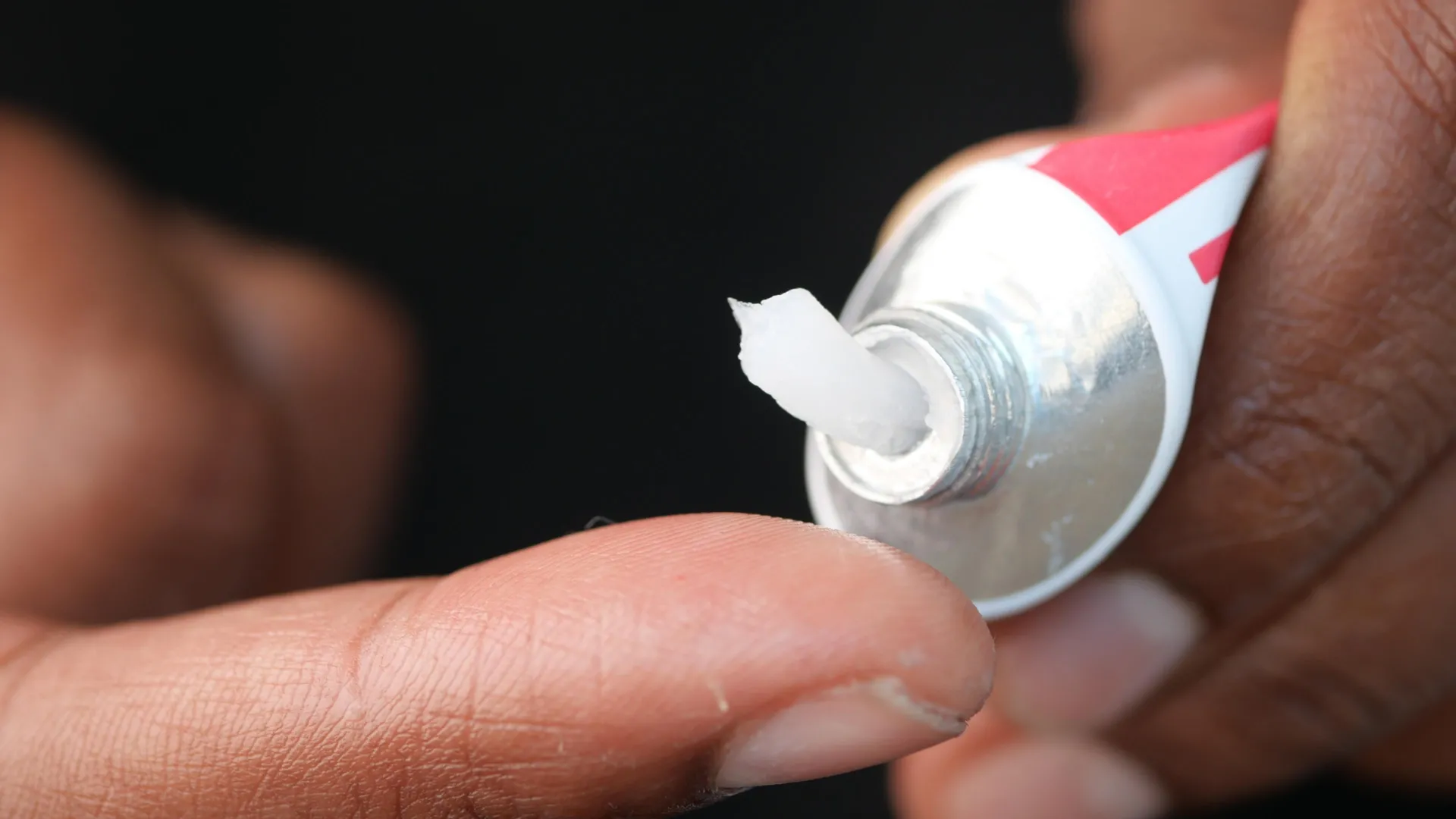
Researchers have found that a topical drug called ABT-263 can improve wound healing in older skin by removing damaged cells. The treatment has shown promising results in aged mice, speeding up the healing process and activating genes related to tissue regeneration.
Scientists have made a breakthrough discovery in the field of aging and wound healing. A topical anti-aging drug called ABT-263 has been found to dramatically improve wound healing in older skin. The treatment works by removing damaged “senescent” cells that accumulate with age and slow the body’s repair process. In a study using aged mice, wounds healed much faster after treatment with ABT-263. The drug also activated genes tied to collagen production and tissue regeneration, which are essential for the healing process. This discovery has the potential to improve the lives of many people, especially the elderly, who often experience slower wound healing due to age-related decline. Further research is needed to fully understand the effects of ABT-263 and its potential applications in humans.
Go Deeper
What is ABT-263 and how does it work?
ABT-263 is a topical anti-aging drug that works by removing damaged senescent cells that accumulate with age and slow the body’s repair process. By removing these cells, the drug can improve wound healing and activate genes tied to collagen production and tissue regeneration.
What were the results of the study in aged mice?
The study found that wounds healed much faster in aged mice treated with ABT-263 compared to those that did not receive the treatment. The drug also activated genes related to tissue regeneration, which is essential for the healing process.
What are senescent cells and how do they affect the body?
Senescent cells are damaged cells that accumulate with age and can slow the body’s repair process. They can contribute to a range of age-related problems, including slower wound healing and decreased tissue regeneration.
Could ABT-263 be used to treat other age-related conditions?
While the current study focused on wound healing, the removal of senescent cells has the potential to improve a range of age-related conditions. Further research is needed to fully understand the effects of ABT-263 and its potential applications in humans.
When might ABT-263 be available for human use?
It is too early to say when ABT-263 might be available for human use. The drug has shown promising results in animal studies, but further research is needed to fully understand its effects and potential side effects in humans.
More health
 health50+
Mental Stimulation May Reduce Alzheimer's Risk
A lifetime of mental stimulation may help protect the brain as we age. People with high levels of cognitive enrichment had a lower risk of Alzheimer's
Jul 17 health50+
Researchers Identify Protein That May Contribute to Parkinson's Spread
Researchers have identified a protein called GPNMB that may play a role in the spread of Parkinson's disease through the brain. In experiments, blocki
Jul 16 health50+
Study Links High Meat Consumption to Lower Alzheimer’s Risk for Some Genetic Groups
A new study suggests that older adults with high-risk APOE gene variants may experience slower cognitive decline if they eat high amounts of meat. The
Jul 16