
Scientists Discover Potential Role of Hydrogen Sulfide in Alzheimer's Disease
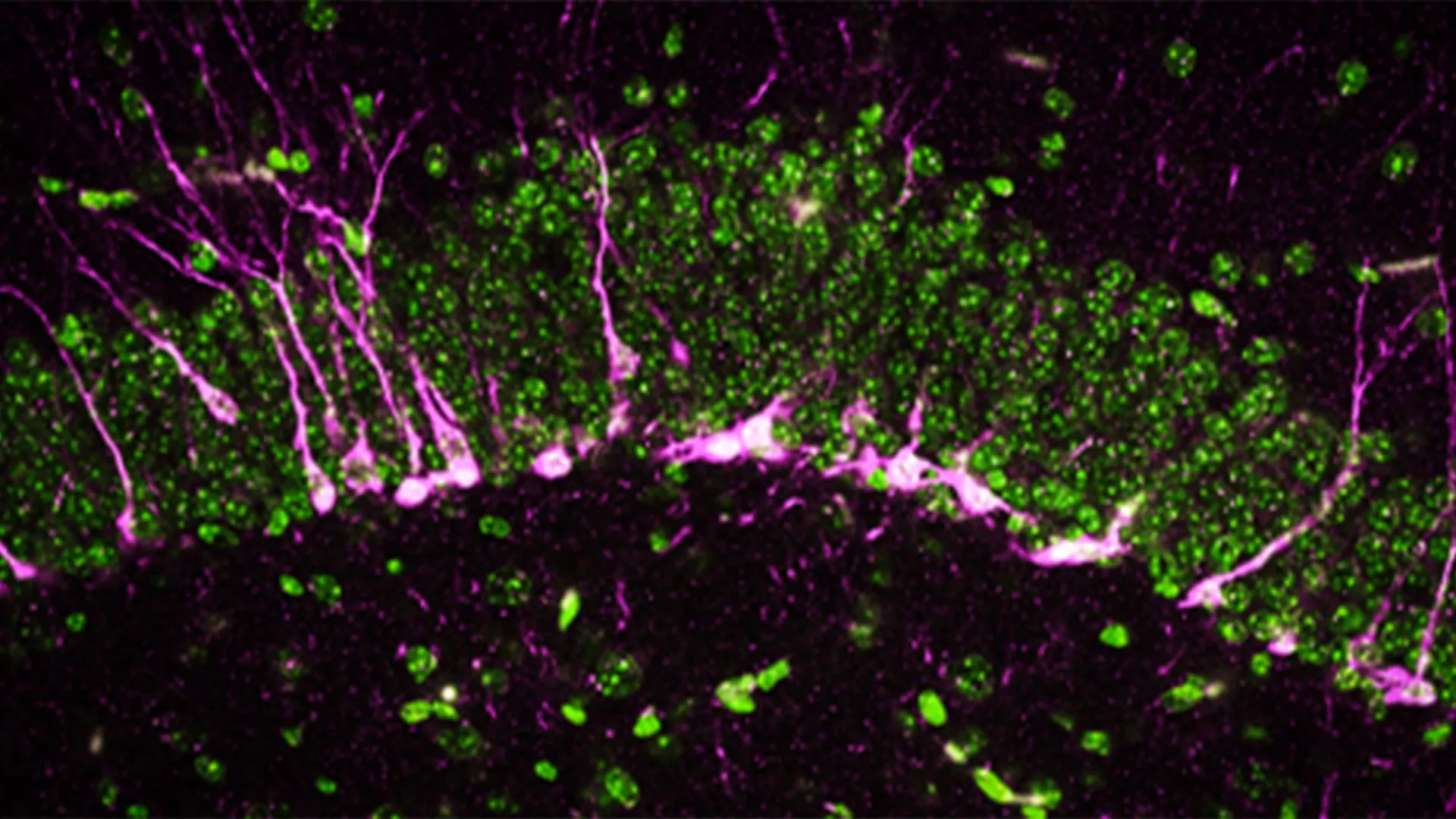
Researchers have found that a protein producing hydrogen sulfide gas in the brain may help protect brain cells and support memory. Experiments with genetically engineered mice showed that removing this protein led to memory loss and brain damage.
Scientists have made a surprising discovery in the fight against Alzheimer's disease. A protein called CSE, which helps produce tiny amounts of hydrogen sulfide gas in the brain, may play a key role in protecting brain cells and supporting memory. In experiments, genetically engineered mice without this protein developed memory loss, brain damage, and other hallmarks of Alzheimer's disease.
The findings suggest that hydrogen sulfide gas, when carefully regulated, could have a protective effect on the brain. This gas is often compared to the smell of rotten eggs, but its potential benefits in the context of Alzheimer's disease are significant. Weakened blood-brain barriers and reduced formation of new neurons were also observed in the mice without the CSE protein.
The discovery of the CSE protein's role in Alzheimer's disease is an important one, and further research is needed to fully understand its potential. However, the possibility that this gas could be used to develop new treatments for the disease is an exciting one.
Go Deeper
What is hydrogen sulfide gas?
Hydrogen sulfide gas is a chemical compound that has a strong, unpleasant smell, often compared to the smell of rotten eggs. It is naturally produced in the body and has been shown to have various biological effects.
How does the CSE protein produce hydrogen sulfide gas?
The CSE protein is an enzyme that helps convert the amino acid cysteine into hydrogen sulfide gas. This process occurs in the brain and other tissues, and the resulting gas can have various effects on the body.
What are the potential benefits of hydrogen sulfide gas in Alzheimer's disease?
The potential benefits of hydrogen sulfide gas in Alzheimer's disease include protecting brain cells, supporting memory, and reducing the formation of amyloid plaques. However, more research is needed to fully understand its effects and potential as a treatment.
How was the role of the CSE protein in Alzheimer's disease discovered?
The role of the CSE protein in Alzheimer's disease was discovered through experiments with genetically engineered mice. These mice were engineered to lack the CSE protein, and the effects on their brains and behavior were observed.
What are the next steps in researching the potential of hydrogen sulfide gas in Alzheimer's disease?
The next steps in researching the potential of hydrogen sulfide gas in Alzheimer's disease include further studies on its effects on the brain and behavior, as well as investigations into its potential as a treatment for the disease. This may involve developing drugs that target the CSE protein or hydrogen sulfide gas itself.
More health
 health50+
Gene Therapy Restores Hearing in Deaf Patients
A new gene therapy has shown promise in restoring hearing in deaf patients, with all ten participants in a study experiencing improved hearing. The th
Jul 16 health
Defense Department Plans to Screen Service Members' Testosterone Levels
The Defense Department is planning to screen service members' testosterone levels and offer supplementation. Dr. Adriane Fugh-Berman of Georgetown Uni
Jul 16 health50+
Researchers Link Positive Travel Experiences to Slower Aging
A new study suggests that positive travel experiences may help slow the aging process by boosting the body's resilience. Researchers found that explor
Jul 16