
Scientists Restore Memory in Mouse Models by Boosting Mitochondrial Activity
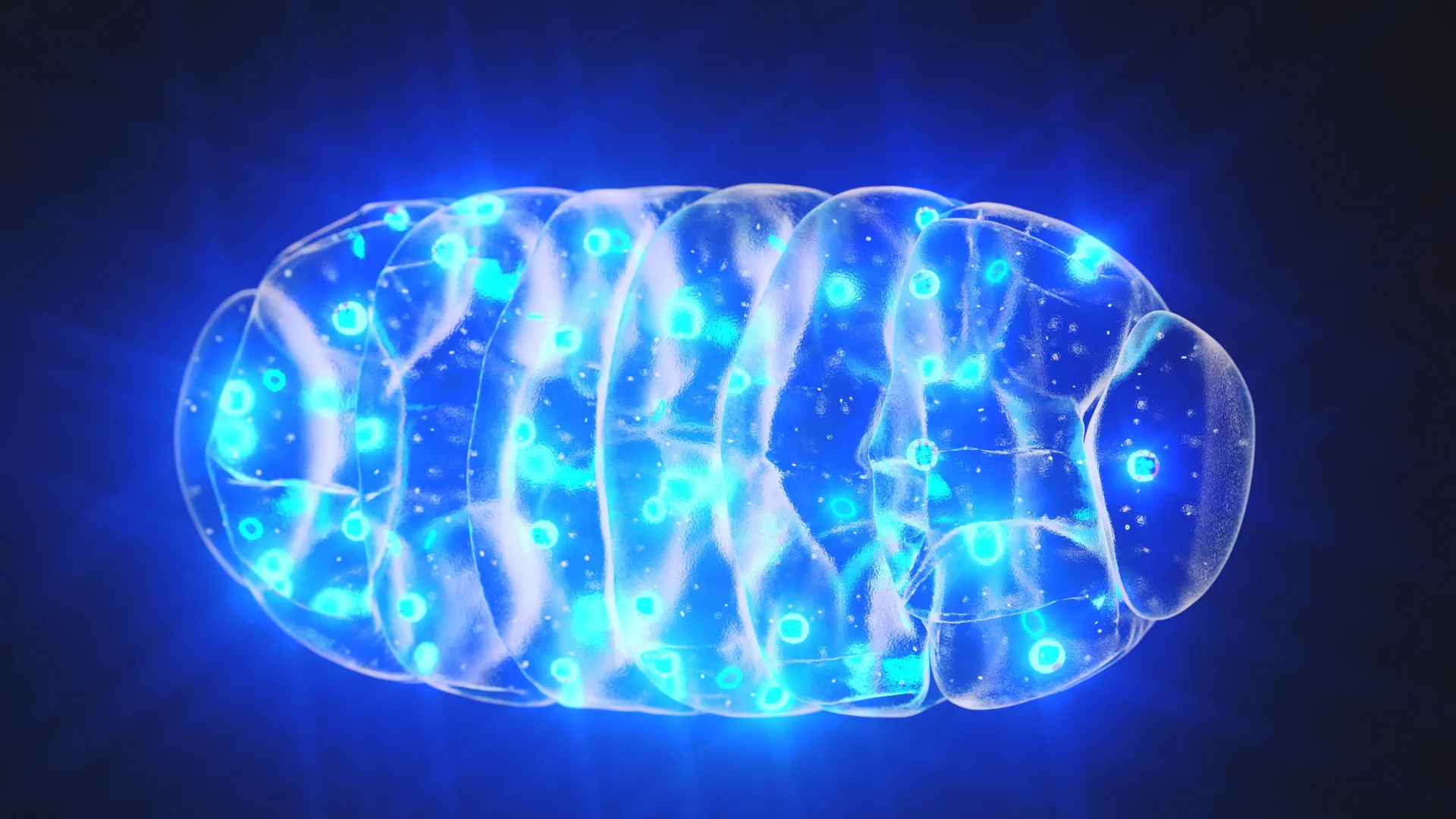
Researchers have found that malfunctioning mitochondria may cause cognitive decline in neurodegenerative diseases. A new tool that temporarily boosts mitochondrial activity in the brain restored memory performance in mouse models of dementia.
Researchers have made a breakthrough in understanding the cause of cognitive decline in neurodegenerative diseases. They discovered that malfunctioning mitochondria, the cell's energy generators, may directly cause cognitive decline. Mitochondria are often referred to as the brain's tiny engines, generating energy for brain cells. By creating a new tool that temporarily boosts mitochondrial activity in the brain, scientists were able to restore memory performance in mouse models of dementia. This discovery is significant because it suggests that energy failure inside neurons could occur before brain cells die, potentially offering a new target for future Alzheimer's treatments. The study's findings are based on experiments with mouse models, but they could have implications for human treatment in the future. The researchers' new tool allows them to temporarily boost mitochondrial activity, which could lead to the development of new treatments for neurodegenerative diseases.
Go Deeper
What are mitochondria and what role do they play in the brain?
Mitochondria are the cell's energy generators, producing energy for brain cells. They are often referred to as the brain's tiny engines.
How did the researchers restore memory performance in mouse models of dementia?
The researchers created a new tool that temporarily boosts mitochondrial activity in the brain, which restored memory performance in mouse models of dementia.
What are the potential implications of this discovery for human treatment?
The discovery could lead to the development of new treatments for neurodegenerative diseases, such as Alzheimer's. The researchers' new tool could potentially be used to boost mitochondrial activity in humans, restoring memory performance.
What is the current understanding of the cause of cognitive decline in neurodegenerative diseases?
The current understanding is that cognitive decline is caused by the death of brain cells. However, this discovery suggests that energy failure inside neurons could occur before brain cells die, potentially offering a new target for future treatments.
Are the findings of this study based on human experiments or animal models?
The findings of this study are based on experiments with mouse models of dementia. While the results are promising, more research is needed to determine if the same effects can be achieved in humans.
More health
 health50+
Mental Stimulation May Reduce Alzheimer's Risk
A lifetime of mental stimulation may help protect the brain as we age. People with high levels of cognitive enrichment had a lower risk of Alzheimer's
Jul 17 health50+
Researchers Identify Protein That May Contribute to Parkinson's Spread
Researchers have identified a protein called GPNMB that may play a role in the spread of Parkinson's disease through the brain. In experiments, blocki
Jul 16 health50+
Study Links High Meat Consumption to Lower Alzheimer’s Risk for Some Genetic Groups
A new study suggests that older adults with high-risk APOE gene variants may experience slower cognitive decline if they eat high amounts of meat. The
Jul 16