
Senate passes stopgap spending bill to avoid pre-election shutdown
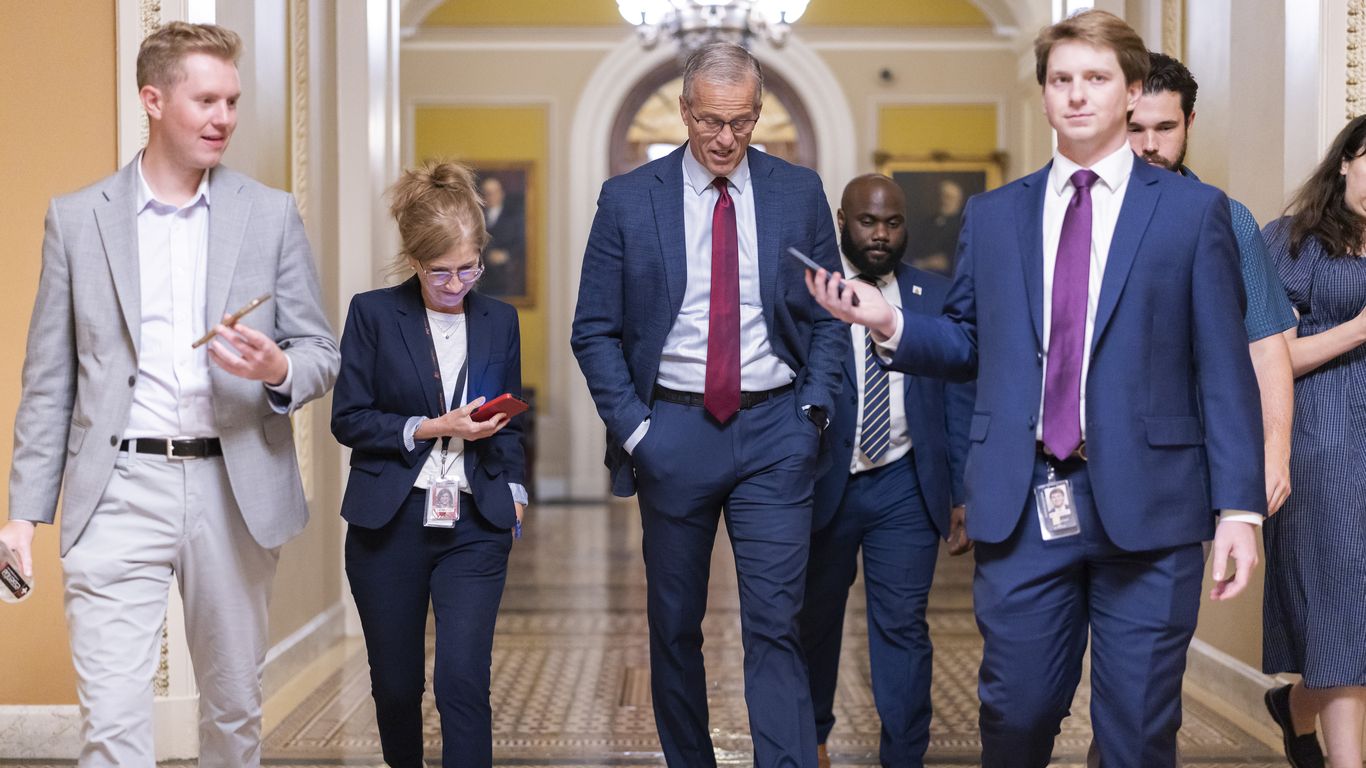
The Senate passed a stopgap spending bill to keep the government funded through Dec. 11. The bill now goes to the House for approval.
The Senate passed a stopgap spending bill early Saturday that would keep the government funded through Dec. 11. The bipartisan 90-6 vote would push the next government funding deadline past Election Day. The measure generally maintains funding levels after the fiscal year ends Sept. 30, with a few negotiated exceptions. It blocks the administration from implementing a proposed rule to give senior political appointees a larger role in reviewing federal grants. It also prevents the administration from transferring money from other programs to the Border Patrol and rejects a White House request for $1 billion to begin work on President Trump's proposed new class of battleships. Additionally, it delays for one month a looming ban on intoxicating hemp products, an issue that divided Senate Republicans.
The Senate worked through the night, taking votes on the stopgap funding measure, the confirmation of Attorney General Todd Blanche and a failed voter ID measure, which would change voting requirements. The vote reflects how eager lawmakers in both parties are to avoid putting another shutdown at the center of an election campaign.
The House will have to approve the Senate's changes after lawmakers return from their August recess. If it does, Washington will have traded a possible pre-election shutdown fight for a potentially much larger post-election showdown in December over spending levels and the rest of the unfinished fiscal 2027 appropriations process.
Go Deeper
What is the purpose of the stopgap spending bill?
The purpose of the stopgap spending bill is to keep the government funded through Dec. 11 and avoid a pre-election shutdown. The bill maintains funding levels after the fiscal year ends Sept. 30, with a few negotiated exceptions.
What are some of the key provisions in the bill?
The bill blocks the administration from implementing a proposed rule to give senior political appointees a larger role in reviewing federal grants. It also prevents the administration from transferring money from other programs to the Border Patrol and rejects a White House request for $1 billion to begin work on President Trump's proposed new class of battleships.
What happens next with the bill?
The bill now goes to the House for approval. If the House approves the Senate's changes, Washington will have traded a possible pre-election shutdown fight for a potentially much larger post-election showdown in December over spending levels and the rest of the unfinished fiscal 2027 appropriations process.
Why is it important to avoid a pre-election shutdown?
Lawmakers in both parties are eager to avoid putting another shutdown at the center of an election campaign. A shutdown could have significant consequences for the government and the economy, and lawmakers want to avoid the political fallout that could come with it.
What are the potential consequences of a post-election showdown in December?
A post-election showdown in December could lead to a larger and more complex fight over spending levels and the unfinished fiscal 2027 appropriations process. This could have significant consequences for the government and the economy, and could potentially lead to another shutdown or other disruptions.
More politics
 politics
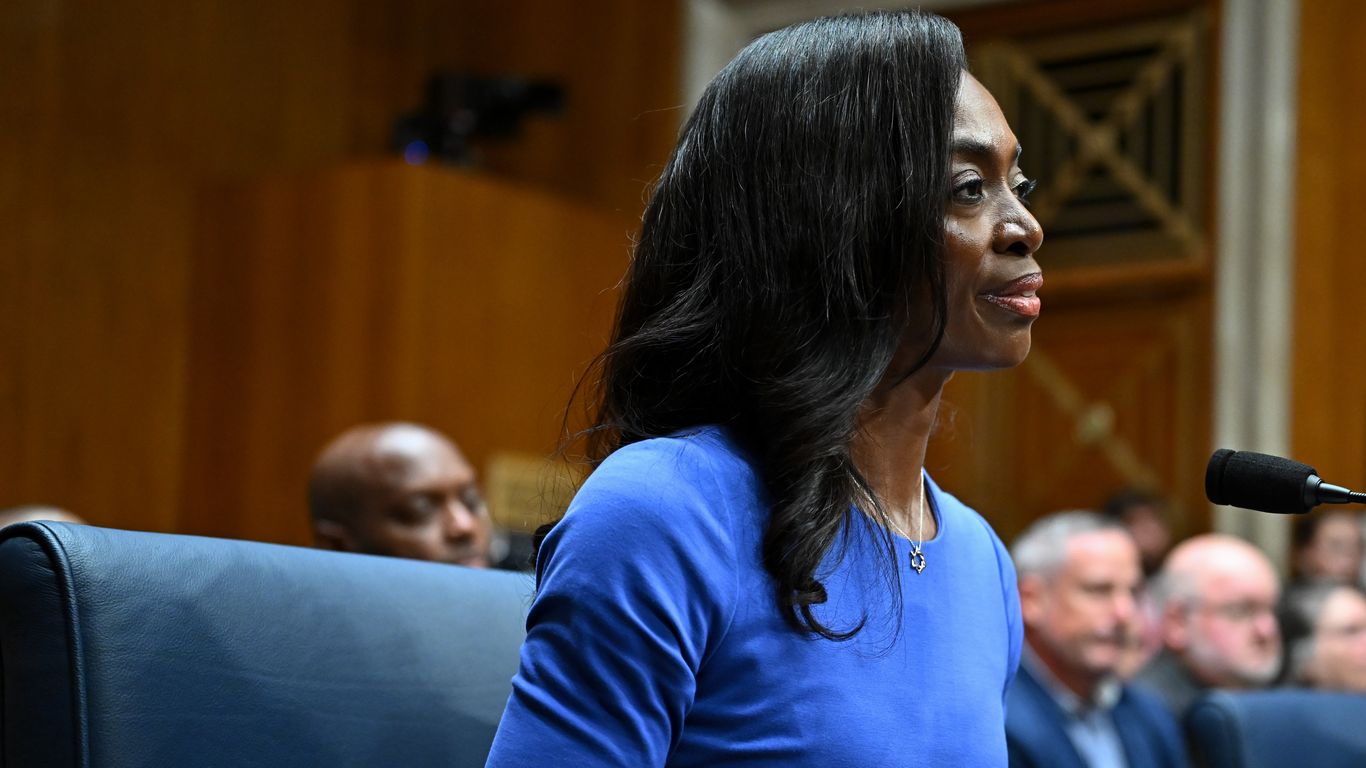
Senate confirms Erica Schwartz as CDC director
The Senate confirmed Erica Schwartz as the director of the Centers for Disease Control with a 51-44 vote. Schwartz is a physician who previously worke
Aug 8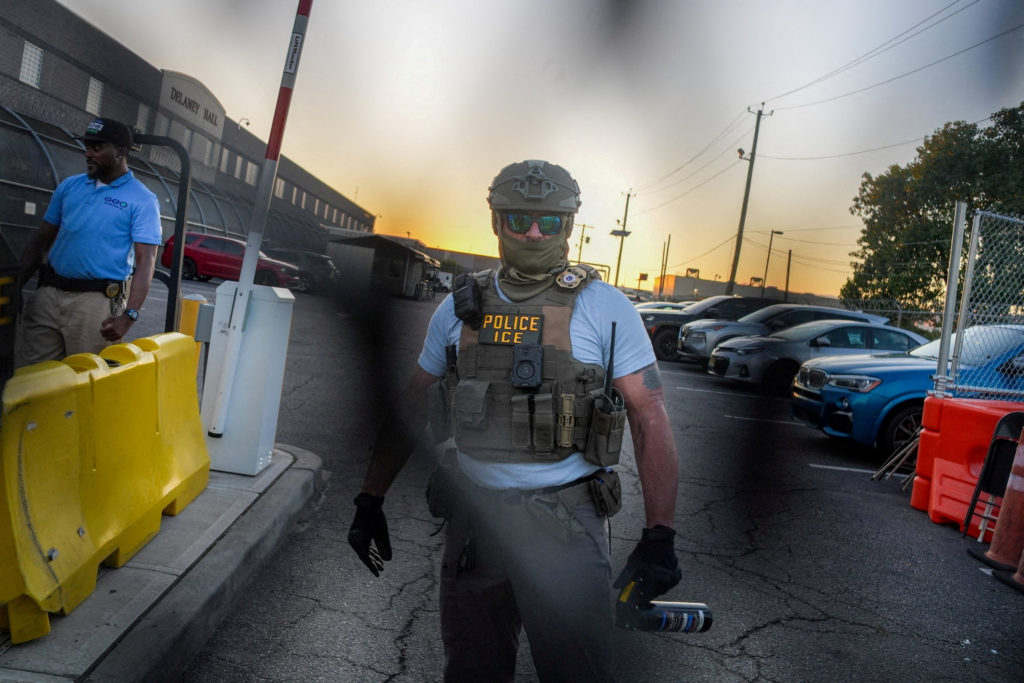 politics
ICE Responds to AP Reporting on Body-Worn Camera Footage Policy
ICE has addressed AP reporting on its policy regarding the release of body-worn camera footage. The agency stated its policy is designed to protect in
Aug 8 politics
White House Completes Voluntary AI Framework
The White House has finalized a voluntary framework for evaluating advanced AI models, meeting its deadline. The framework's details have not been dis
Aug 8