
Study Finds Sucralose Byproduct Damages DNA in Human Cells
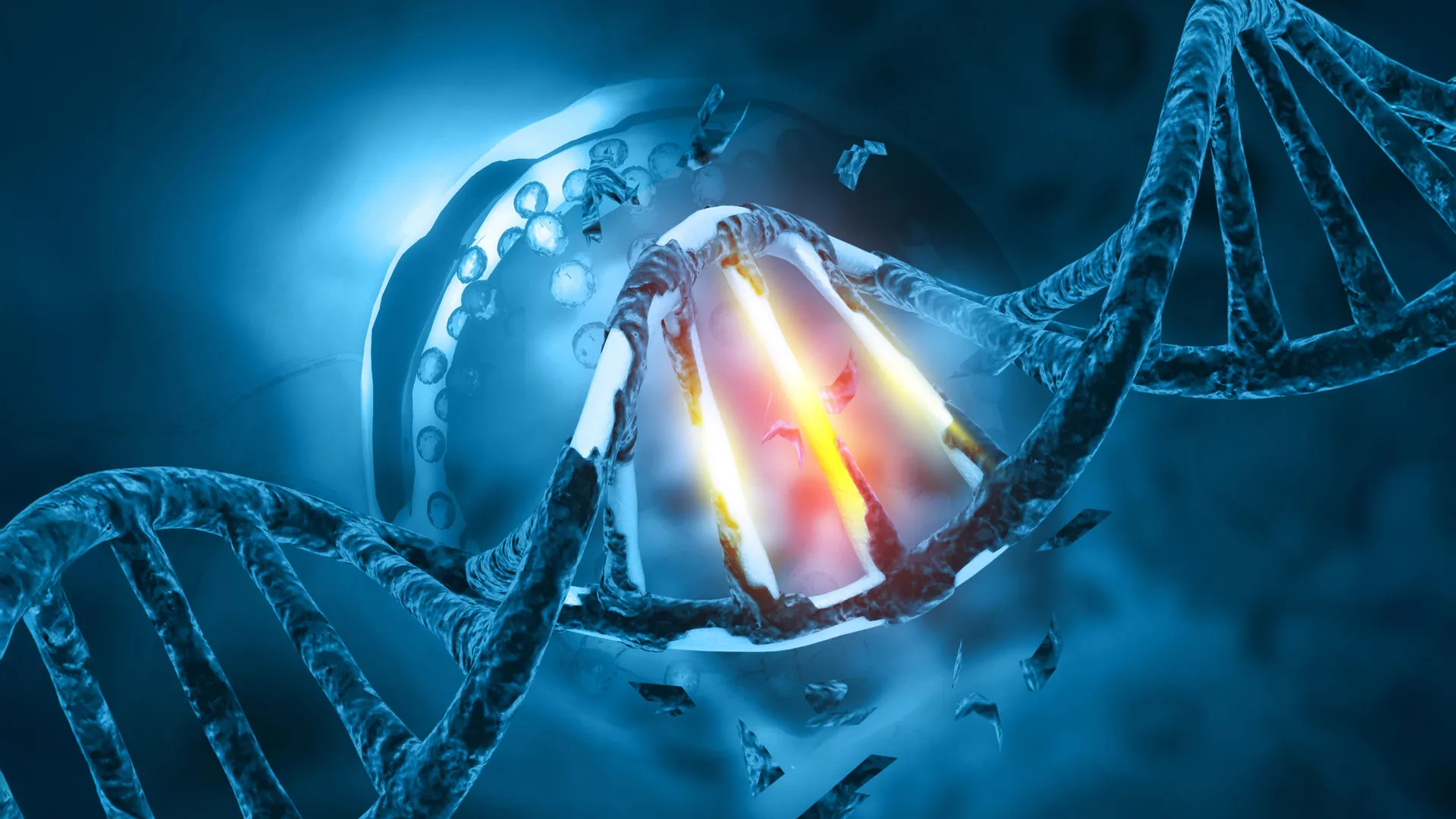
A study found that a chemical related to the artificial sweetener sucralose damages DNA in human cells. Later research has provided more information about the effects of this chemical.
Sucralose, the artificial sweetener used in Splenda, has been the subject of a recent study that found a related chemical damages DNA and weakens the gut barrier in laboratory experiments. The initial findings raised concerns about the potential health impacts of consuming sucralose. However, subsequent research has complicated the picture, suggesting that the issue may not be as straightforward as initially thought. The study's results have sparked further investigation into the effects of sucralose on human health. Researchers are working to fully understand the potential risks and benefits associated with consuming this artificial sweetener. As the research continues to unfold, it is likely that a more complete picture of the health impacts of sucralose will emerge. The food industry and regulatory agencies are likely to be watching the developments closely, as they consider the potential implications for public health.
Go Deeper
What is sucralose and how is it used?
Sucralose is an artificial sweetener commonly used in low-calorie foods and beverages, including the popular sweetener Splenda. It is used as a sugar substitute in a wide range of products, from baked goods to soft drinks.
What were the initial findings of the study on sucralose?
The initial study found that a chemical related to sucralose damaged DNA and weakened the gut barrier in laboratory experiments. This raised concerns about the potential health impacts of consuming sucralose.
Have there been any subsequent studies on the effects of sucralose?
Yes, later research has complicated the initial picture, suggesting that the issue may not be as straightforward as initially thought. These studies have provided more information about the effects of sucralose on human health.
What are the potential health implications of consuming sucralose?
The potential health implications of consuming sucralose are still being researched and debated. While some studies have raised concerns about the effects of sucralose on DNA and the gut barrier, others have found no significant risks associated with its consumption.
Will the findings of these studies impact the use of sucralose in food products?
It is possible that the findings of these studies could impact the use of sucralose in food products. Regulatory agencies and the food industry will likely be watching the developments closely, as they consider the potential implications for public health.
More health
 health50+
Researchers Identify Potential Driver of Aging in Immune Cells
A study found that immune cells losing their ability to clear away damaged cells may contribute to aging. Blocking a specific receptor in mice helped
Sep 27 health50+
Study Finds Dementia Risk Factors in People Over 90
A recent study examined dementia risk in people over 90 and found that sex, race, and genetics play a significant role. The study also identified indi
Sep 27 health50+
Ozempic Shows Promise in Slowing Aging in Mice
Scientists have found that semaglutide, the active ingredient in Ozempic, may help slow aging in older healthy mice. The drug improved memory, muscle
Sep 27