
Study Links Neighborhood Greenery and Safety to Longer Sleep
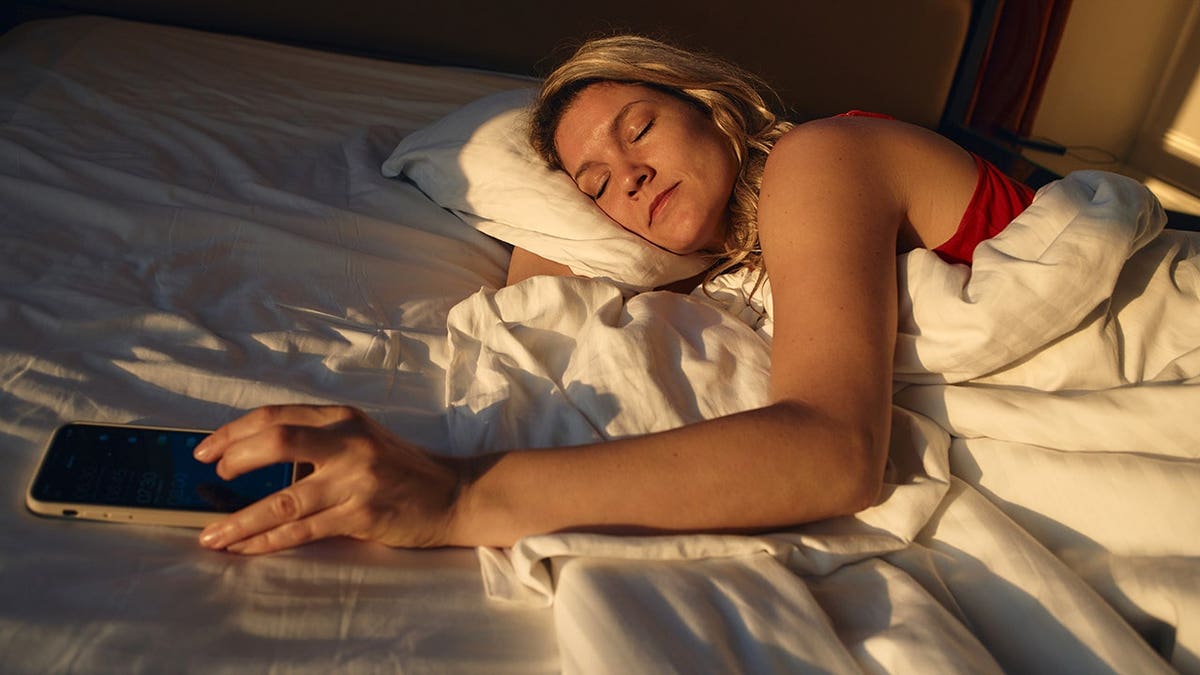
Researchers in Japan used AI on more than 200,000 Google Street View images and found safer, greener streetscapes linked to longer sleep among apartment residents. A U.S. nutritionist says white noise, blackout curtains, and a fixed schedule still help at home.
Where you live can shape how well you sleep, according to new research on streetscapes and advice from sleep-focused clinicians.
A study led by Professor Daisuke Matsushita of Osaka Metropolitan University analyzed more than 200,000 Google Street View images with artificial intelligence. The team scored visual traits such as greenery, enclosure, and perceived safety. They then compared those scores with sleep reports from 1,089 working adults living on lower apartment floors in Tokyo.
People in neighborhoods that felt safer tended to sleep longer, the researchers found. Trees and other greenery, plus higher enclosure from taller buildings and fewer open gaps, lined up with longer sleep and fewer insomnia symptoms. Highly walkable blocks packed with sidewalks and traffic signs linked to a lower sense of safety and shorter sleep, possibly from more foot traffic and crowding.
Matsushita said cities could measure perceived safety, beauty, liveliness, enclosure, pollution, and noise with the same methods. The goal is healthier neighborhood design, not a demand that people pack up and move.
Fox News Digital also spoke with Erin Palinski-Wade, a New Jersey nutritionist and author of The Sleepdemic Solution. She said noise from busy streets, family members, and pets regularly breaks rest. A white noise machine can mask street sound. Blackout curtains cut light pollution. Closing the bedroom door and keeping a steady room temperature also help.
The study has limits. Sleep data were self-reported. The sample covered lower-floor apartment residents in one city, so results may not match higher floors, suburbs, or rural homes.
Palinski-Wade said the simplest habit still matters most: go to bed and wake up at the same times every day, including weekends.
Go Deeper
What neighborhood features linked to better sleep?
In the Tokyo study, greenery, a stronger sense of safety, and more visual enclosure tracked with longer sleep and fewer insomnia symptoms.
Do I need to move if my street is noisy?
Researchers did not say relocation is required. White noise, blackout curtains, a closed door, and a fixed sleep schedule can reduce disruption where you already live.
Why might busy walkable streets hurt sleep?
The study linked abundant sidewalks and traffic signs with lower perceived safety and shorter sleep, possibly because of more people and activity around the building.
How solid is the evidence?
It used a large set of street images and more than 1,000 adults, but sleep was self-reported and limited to lower-floor Tokyo apartments.
What is one change that helps most people?
Palinski-Wade recommends the same bedtime and wake time every day, including days off, because consistency supports both sleep quality and length.
More health
 health
Taylor Farms recalls salsa, guacamole, citing salmonella risk
Taylor Farms is recalling prepared salsa and guacamole due to a risk of salmonella. The recall is connected to a salmonella outbreak in several states
Aug 10 health
Organ Donation Group Faces Shutdown
The Network for Hope organization is facing shutdown after being accused of trying to take a living man's organs. The group strongly disagrees with th
Aug 10 health50+
Private Body Scan Industry Experiences Rapid Growth
The private body scan industry is growing rapidly. Some people are using these scans to monitor their health.
Aug 8