
Supreme Court Concludes Term with Notable Decision Trends
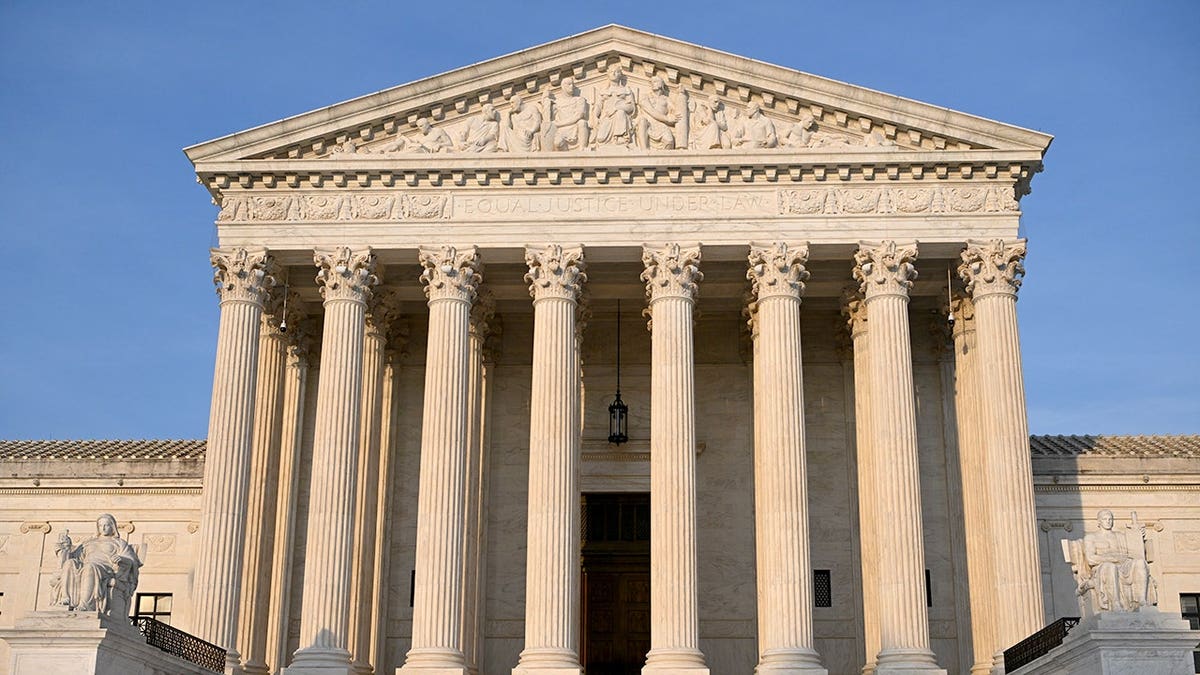
The Supreme Court has officially closed another term, with notable trends in decision-making. About a fifth of the cases decided this term split along ideological lines.
The Supreme Court has concluded its term, marking the end of a period of significant legal decisions. One notable trend from this term is that about a fifth of the cases decided by the court split along ideological lines. Chief Justice Roberts and Justice Kavanaugh were in the majority in approximately 95% of the cases. This trend suggests a level of cohesion among the justices, despite the ideological divisions that exist on the court. The court's decisions this term covered a range of issues, and the justices' voting patterns provide insight into their individual approaches to the law. The conclusion of the term marks the beginning of a period of recess for the court, during which the justices will prepare for the next term and the cases that will be heard then.
Go Deeper
What does it mean for a case to split along ideological lines?
When a case splits along ideological lines, it means that the justices' decisions are divided based on their ideological perspectives, such as liberal or conservative. This can indicate a significant difference in how the justices interpret the law.
How often do Supreme Court justices typically agree on decisions?
Supreme Court justices often agree on decisions, but the frequency of agreement can vary from term to term. This term, about 80% of the cases did not split along ideological lines, indicating a significant level of agreement among the justices.
What is the significance of Chief Justice Roberts and Justice Kavanaugh being in the majority 95% of the time?
The high percentage of cases in which Chief Justice Roberts and Justice Kavanaugh were in the majority suggests that they played a significant role in shaping the court's decisions this term. Their consistent presence in the majority may indicate that they were influential in forming coalitions and shaping the court's opinions.
What happens during the Supreme Court's recess?
During the Supreme Court's recess, the justices prepare for the next term by reviewing cases that have been granted review, hiring law clerks, and engaging in other activities to prepare for the upcoming term. The justices may also use this time to work on opinions and other writing projects.
When will the Supreme Court's next term begin?
The Supreme Court's next term will likely begin in October, as is customary. The exact date will be announced by the court in advance, and the justices will begin hearing new cases at that time.
More politics
 politics
Prince Harry and others lose UK privacy lawsuit
Prince Harry, Elton John, and Elizabeth Hurley were among those who lost a privacy lawsuit against Associated Newspapers in the UK High Court. The law
Jul 7 politics
Trump Discusses F-35 Sales to Turkey
President Trump expressed no concerns about selling F-35 fighter jets to Turkey. He made these comments during a meeting with Turkish President Recep
Jul 7 politics
Trump Open to Selling F-35 Fighter Jets to Turkey
President Trump signaled he is open to selling F-35 fighter jets to Turkey during a meeting with Turkish President Erdoğan. The move would be a shift
Jul 7