
Supreme Court Strikes Down Federal Limits on Party Spending
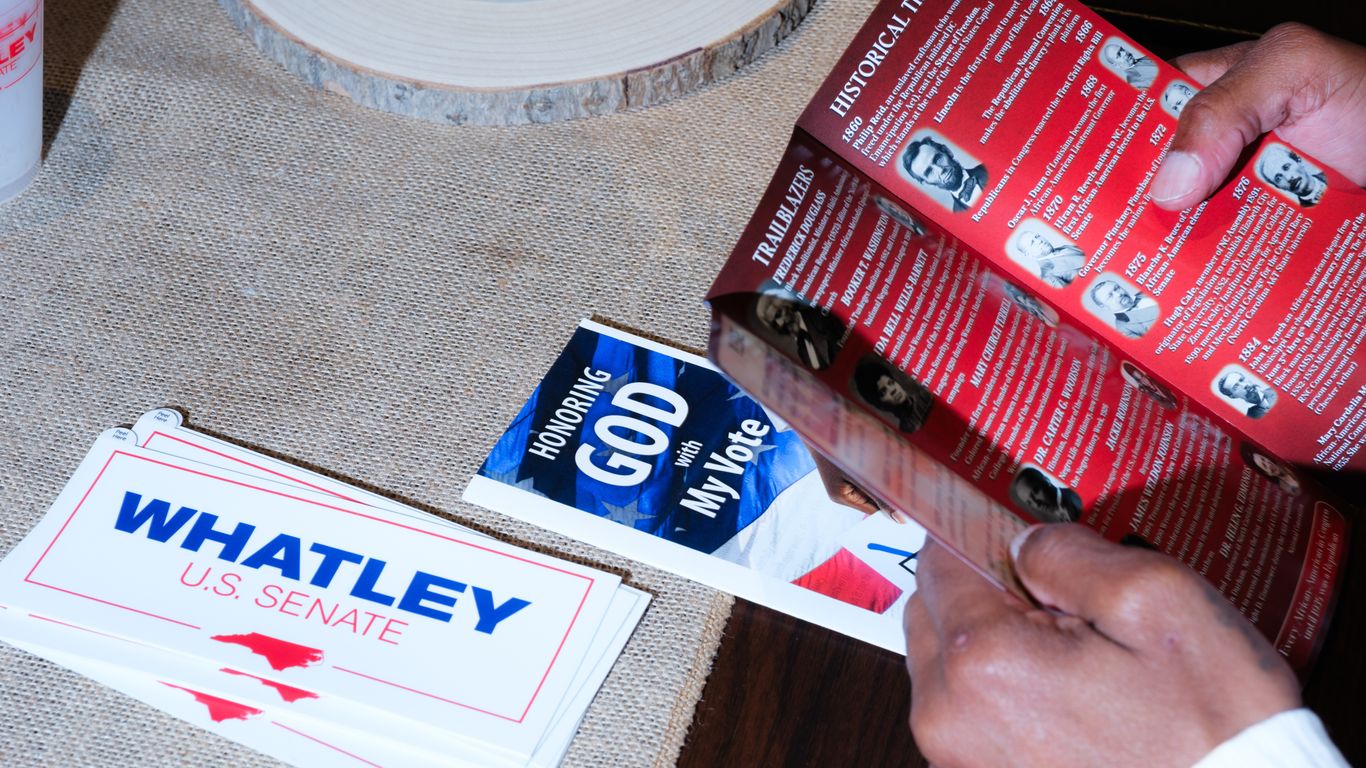
The Supreme Court has struck down federal limits on how much political parties may spend in coordination with candidates. The 6-3 decision, written by Justice Brett Kavanaugh, held that the coordinated party expenditure limits violate the First Amendment.
The Supreme Court on Tuesday struck down federal limits on how much political parties may spend in coordination with candidates. This decision hands party committees a major win and reshapes campaign-finance rules ahead of the midterms. Freed from the caps, party committees can now spend without limit alongside their candidates, making them a far more powerful magnet for big-dollar money that's flooded into super PACs over the past 15 years.
The decision, written by Justice Brett Kavanaugh, overturns a 25-year-old precedent that had upheld the same limits. The court held that the coordinated party expenditure limits violate the First Amendment. In a dissenting opinion, Justice Elena Kagan warned that the ruling brings about an old era of corruption, saying it ushers back in the same opportunities for quid pro quo corruption that the contribution limits were meant to check.
President Trump praised the ruling, calling it a big win for Republicans and the First Amendment. His administration had declined to defend the law in court. The case, National Republican Senatorial Committee v. Federal Election Commission, was brought by two Republican committees, Vice President Vance and former Ohio Rep. Steve Chabot. They argued the law prevented party committees from coordinating effectively with their own candidates on core political speech.
Go Deeper
What was the Supreme Court's decision on party spending limits?
The Supreme Court struck down federal limits on how much political parties may spend in coordination with candidates, holding that the limits violate the First Amendment.
How will this decision affect party committees?
Party committees can now spend without limit alongside their candidates, making them a more powerful magnet for big-dollar money that's flooded into super PACs over the past 15 years.
What was the reasoning behind the decision?
The court held that the coordinated party expenditure limits violate the First Amendment, with Justice Brett Kavanaugh writing that 'more speech is generally better than less speech'.
Who brought the case to the Supreme Court?
The case, National Republican Senatorial Committee v. Federal Election Commission, was brought by two Republican committees, Vice President Vance and former Ohio Rep. Steve Chabot.
What is the potential impact of this decision on campaign finance?
The decision could make party committees more attractive vehicles for donor money in competitive races and may lead to an increase in political spending by parties and their candidates.
More politics
 politics
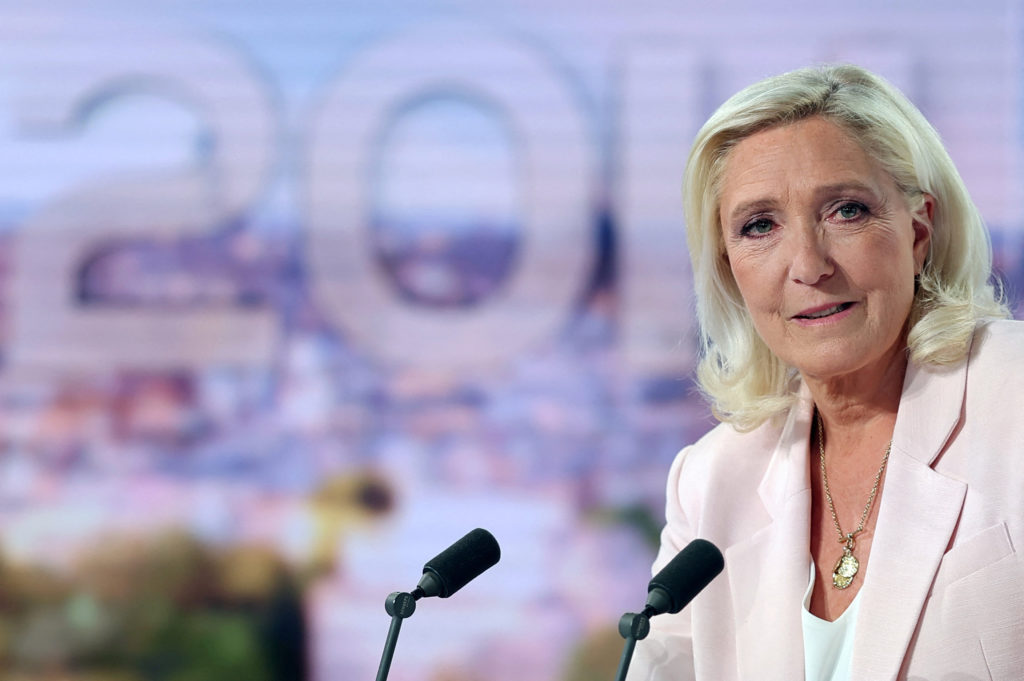
Marine Le Pen to Run for French Presidency
Marine Le Pen has announced her candidacy for the French presidency. She made this announcement despite being sentenced to wear a court-ordered electr
Jul 7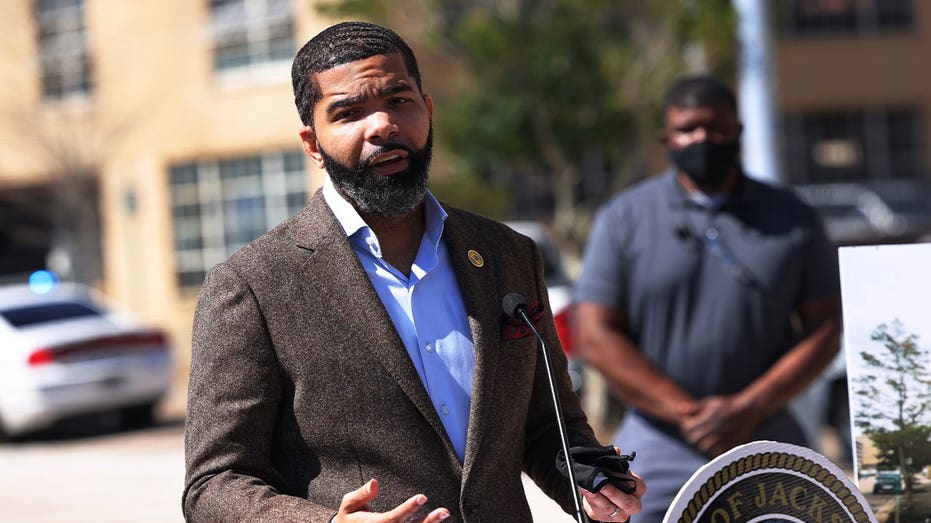 politics
Former Jackson Mayor Pleads Guilty in Bribery Scheme
Chokwe Antar Lumumba, the former mayor of Jackson, Mississippi, has pleaded guilty to his role in a real estate bribery scheme. He accepted $50,000 in
Jul 7 politics
New York Times Faces Scrutiny Over Senate Hopeful Coverage
The New York Times is under scrutiny for its coverage of Senate hopeful Graham Platner. An accuser claims the paper did not corroborate her story.
Jul 7