
Trump tariffs on more than 80 countries take effect
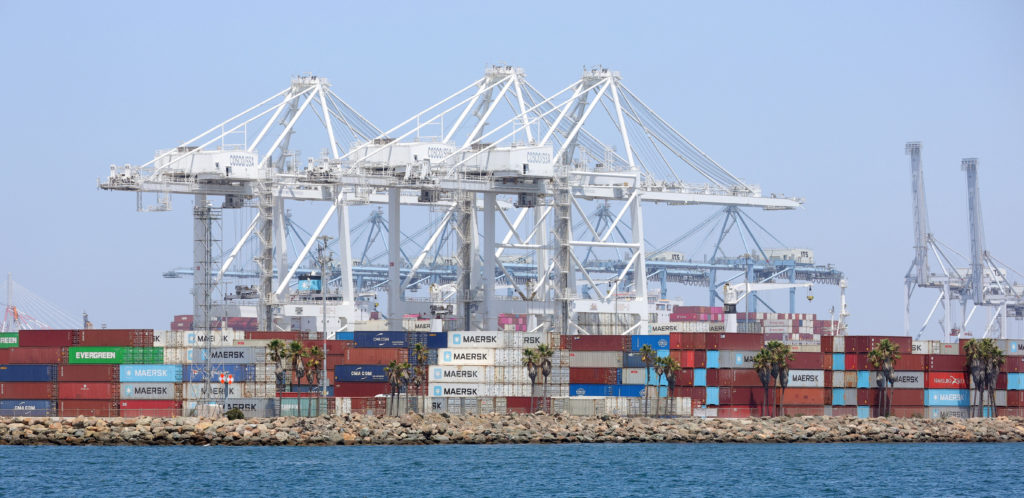
The new tariffs cover nearly all U.S. imports and replace an earlier set that the Supreme Court struck down. They went into effect on Friday.
President Trump imposed new tariffs on more than 80 countries that took effect Friday.
The tariffs cover virtually all goods imported into the United States. They replace an earlier round that Trump launched on what he called "liberation day" and that the Supreme Court struck down earlier this year.
The White House has not released a full list of the affected countries or the exact tariff rates. Officials said the measures aim to protect American industries and address trade imbalances.
The change comes after months of legal and diplomatic back-and-forth. Trading partners had challenged the first set of tariffs in court, arguing they exceeded presidential authority.
Business groups warned that the tariffs will raise costs for American companies and consumers. Retailers and manufacturers said they are scrambling to adjust supply chains and pricing.
The administration called the new tariffs a necessary reset after the court ruling. Trump has long argued that other countries take advantage of the United States on trade.
Friday's action marks the broadest tariff policy put in place during his current term. Economists are watching to see how quickly the changes flow through to prices at stores and factories across the country.
Go Deeper
What exactly do these new tariffs cover?
They apply to imports from more than 80 countries and cover nearly all goods coming into the United States. The White House has not yet released the complete list of countries or the specific rates on each product.
Why did the Supreme Court strike down the earlier tariffs?
The court ruled that the first set of tariffs went beyond the president's legal authority. That decision forced the administration to rewrite the policy, which resulted in the version that took effect Friday.
How will these tariffs affect American consumers?
Many economists expect higher prices on everyday goods because companies often pass tariff costs along to buyers. Retailers and manufacturers are already reviewing their supply chains to limit the impact.
What was "liberation day"?
That was the term President Trump used for the launch of the original tariffs earlier this year. The Supreme Court later blocked them, leading to the new policy now in place.
How are other countries reacting?
Trading partners have raised concerns about higher costs and potential retaliation. Some governments are in talks with the U.S. to seek exemptions or lower rates on key exports.
More politics
 politics
Troy Jackson to Run Against Susan Collins in Maine Senate Race
Troy Jackson has been chosen to run against Susan Collins in Maine's Senate race. The race is currently ranked as a toss-up.
Jul 25 politics
Iran Experiences First Night Without US Strikes in Two Weeks
The US and Iran militaries did not exchange fire overnight Saturday, breaking a 13-day streak of tit-for-tat strikes. This development comes after a c
Jul 25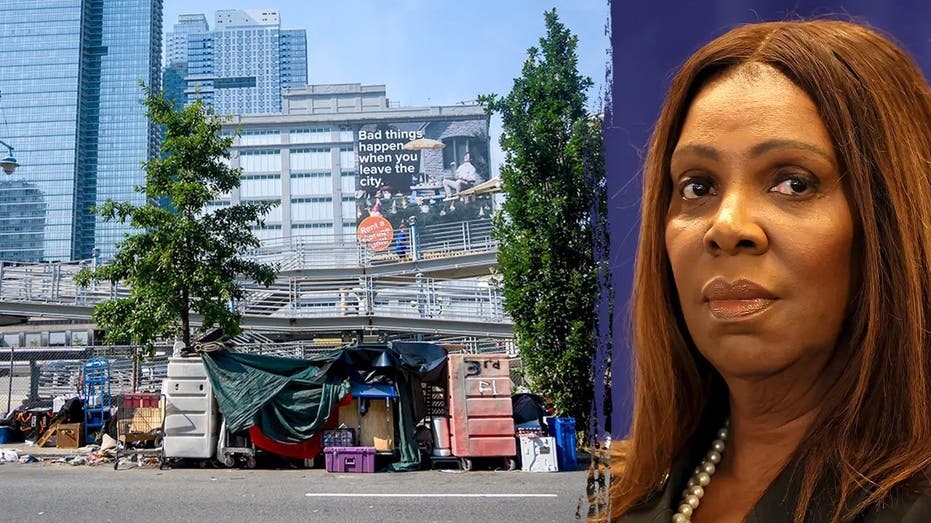 politics
New York City spends $81,700 per homeless person
New York City has spent $81,700 per homeless person. The city's spending on homeless services is under scrutiny amid shelter scandals and allegations
Jul 25