
US Blood Supply Reaches Crisis Levels
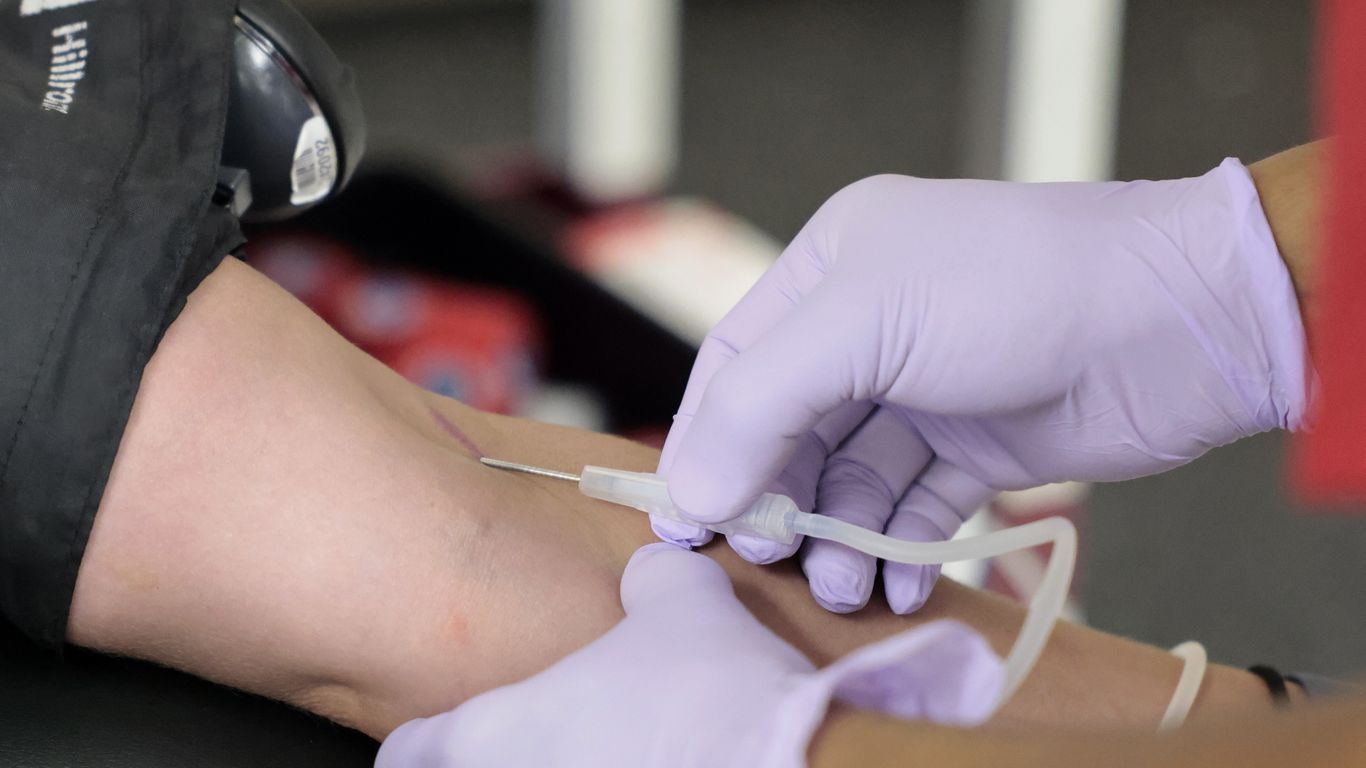
The American Red Cross has declared a national blood supply crisis due to a significant shortage of donations. The organization is urging people to donate to help meet the demand for blood transfusions.
The US blood supply has reached crisis levels, prompting the American Red Cross and the Surgeon General's Office to urge people to donate. A prolonged blood shortage could delay surgeries, trauma care, and other treatments that depend on timely blood transfusions. The Red Cross says it has less than a one-day national supply of type O positive blood, which is the most commonly transfused blood type.
Blood donations fell to a four-year summer low in 2026, according to the Red Cross. The current supply is not keeping up with the demand for blood, which increases during the summer. The Red Cross attributes the low turnout of donations to extreme heat, bad air quality, and widespread foodborne illnesses hitting the country.
Chris Hrouda, president of Red Cross Biomedical Services, said in a press release that every donation has the potential to help save lives, and they urgently need everyone who is eligible to make an appointment to give blood as soon as possible. This is only the second national blood supply crisis, according to the Red Cross.
To donate blood, individuals can visit a nearby blood collection location to make an appointment or contact the American Red Cross, Association for the Advancement of Blood and Biotherapies, or America's Blood Centers. The American Red Cross is offering incentives for donating, including a Fandango movie ticket for donations made by July 31 and a $20 Amazon gift card for donations made in August.
Go Deeper
What is the current status of the US blood supply?
The US blood supply has reached crisis levels, with less than a one-day national supply of type O positive blood available.
Why is the blood supply at crisis levels?
The blood supply is at crisis levels due to a significant shortage of donations, which has been attributed to extreme heat, bad air quality, and widespread foodborne illnesses.
What are the potential consequences of a prolonged blood shortage?
A prolonged blood shortage could delay surgeries, trauma care, and other treatments that depend on timely blood transfusions.
How can individuals donate blood?
Individuals can visit a nearby blood collection location to make an appointment or contact the American Red Cross, Association for the Advancement of Blood and Biotherapies, or America's Blood Centers.
Are there any incentives for donating blood?
Yes, the American Red Cross is offering incentives for donating, including a Fandango movie ticket for donations made by July 31 and a $20 Amazon gift card for donations made in August.
More health
 health
Women discuss the luteal phase on social media
The luteal phase is a topic of increasing discussion among women on social media. Women are sharing their experiences and symptoms associated with thi
Aug 3 health
UK Clinic Takes Steps to Boost Falling Child Immunization Rates
A clinic in west Yorkshire is working to increase child immunization rates as they fall across the UK. The clinic's efforts come as health officials l
Aug 3 health50+
Two deaths reported in Michigan cyclospora outbreak
Two people in Michigan have died in connection with the multistate cyclosporiasis outbreak. The individuals who died had significant underlying health
Aug 3