
US Communities Invest in Climate Adaptation Infrastructure
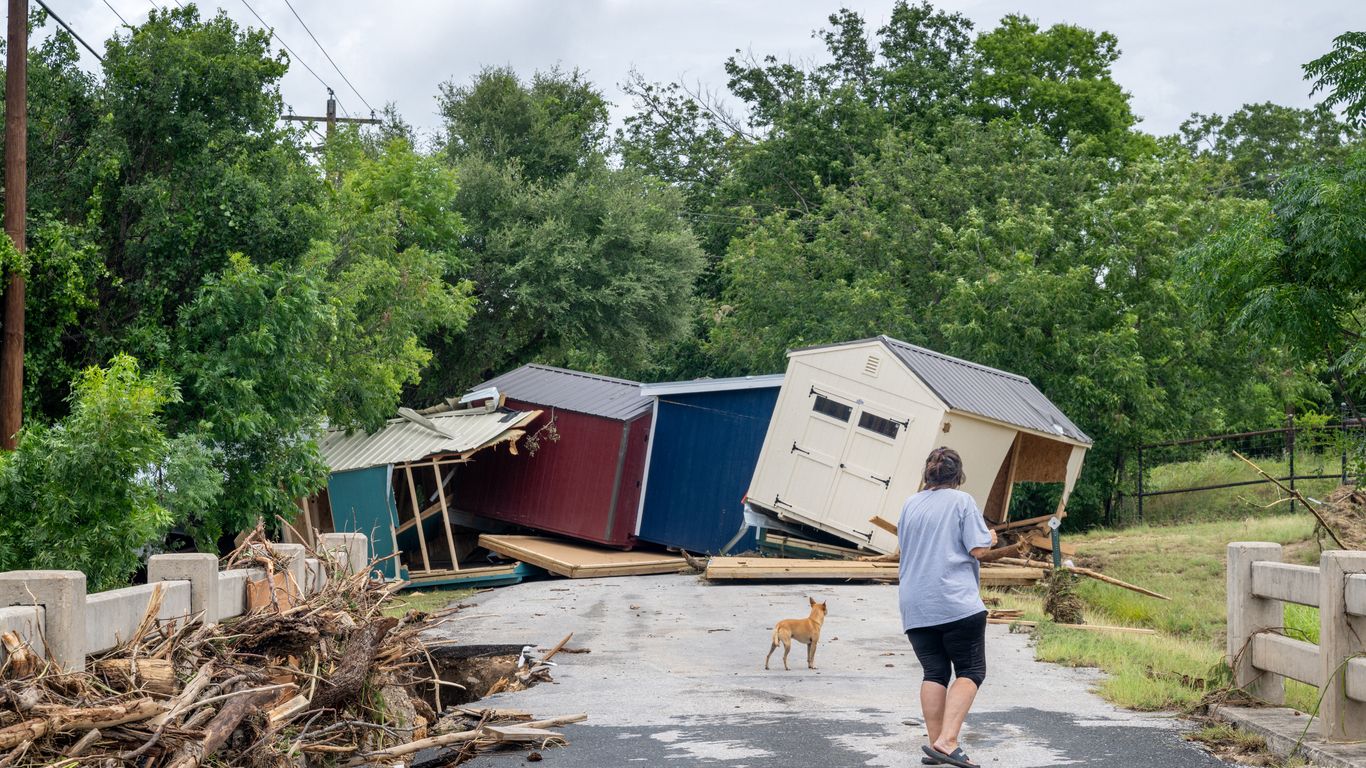
Communities across the US are investing in infrastructure designed to reduce damage from climate extremes. Texas, for example, has expanded flood warning systems and floodplain buyouts after catastrophic flooding in 2025.
Climate adaptation is increasingly moving from planning to real-world action as heat waves, droughts, wildfires, floods, and hurricanes test communities across the US. After catastrophic flooding killed over 130 people in Texas Hill Country last year, newly installed sirens were credited with warning residents during July's floods, which killed three people but avoided a repeat of the 2025 disaster.
Texas expanded flood warning systems and floodplain buyouts after the Hill Country floods, while Houston strengthened building codes after Hurricane Harvey. Alice Hill, a senior fellow for energy and the environment at the Council on Foreign Relations, says that 'almost all the infrastructure' in the US 'was built for a climate that essentially no longer exists.'
Many states are redesigning infrastructure for the climate threats they face most — from hurricanes in the Southeast to droughts and wildfires in the West. Florida has invested in backup power, stronger building codes, and microgrids, while Louisiana utilities have hardened substations and strengthened the electric grid after repeated hurricanes. California has expanded wildfire-resistant building standards, underground power lines, and drought measures such as water recycling and groundwater recharge.
Some communities are moving ahead despite federal funding constraints. Babcock Ranch, Florida, is an example of a community that has buried power lines, improved storm drainage, and built more wind-resistant homes, weathering four hurricanes with little damage.
Go Deeper
What is driving the need for climate adaptation in the US?
The US is experiencing more frequent and intense climate extremes, such as heat waves, droughts, wildfires, floods, and hurricanes, which are testing communities across the country.
What kinds of infrastructure are being invested in to reduce damage from climate extremes?
Communities are investing in infrastructure such as flood warning systems, floodplain buyouts, stronger building codes, backup power, microgrids, and wildfire-resistant building standards.
How are states redesigning infrastructure to address climate threats?
States are redesigning infrastructure to address the specific climate threats they face, such as hurricanes in the Southeast and droughts and wildfires in the West.
What role are insurers playing in shaping climate adaptation?
Insurers are helping shape adaptation by pricing climate risk into infrastructure decisions, with some programs rewarding resilience with lower premiums.
What is the bigger challenge in preparing for climate extremes?
The bigger challenge is preparing for the next disaster — not simply rebuilding after the last one, as most of the US infrastructure was built for a climate that essentially no longer exists.
More us
 us
usIran Threatens to Keep Strait of Hormuz Closed
Iran says it won't reopen the Strait of Hormuz unless the US meets its demands. The US has stated its priority is to prevent Iran from achieving nucle
Aug 11 us
usNew York Students' Low English Test Scores Spark Discussion
More than half of New York's third- to fifth-grade students failed their English Language Arts test, prompting discussion among NY Post readers. The l
Aug 10 us50+
us50+Utica, New York, Offers Homes for $87,000
Utica, New York, has homes available for purchase at a price of $87,000. Despite the affordability, the city is having trouble attracting residents.
Aug 10