
US Imposes New Tariffs to Replace Struck-Down Emergency Tariff Regime
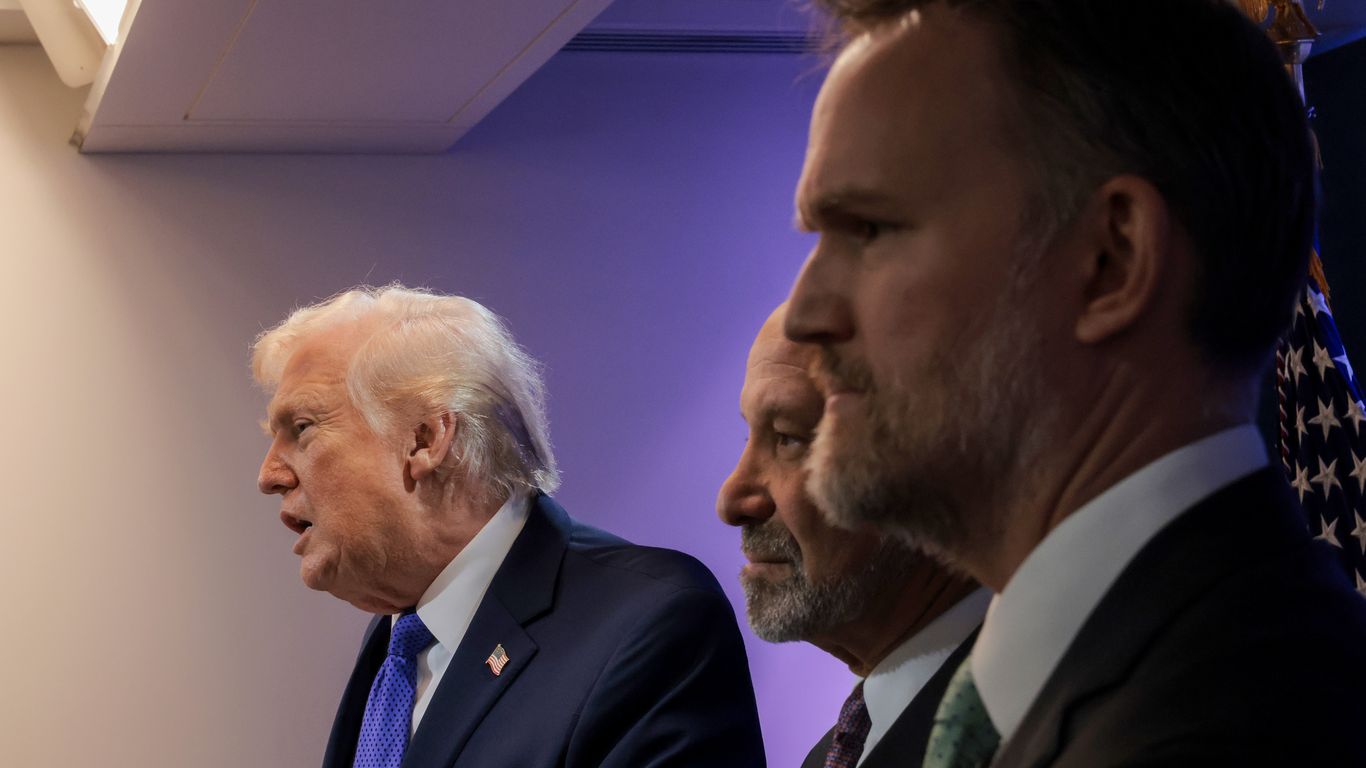
The White House has implemented new tariffs to replace the emergency tariff regime struck down by the Supreme Court. The new tariffs are expected to raise about $105 billion a year, replacing around 60% of the lost revenue.
The White House has found new legal ways to keep tariffs flowing after the Supreme Court invalidated the administration's emergency tariff regime. The administration's replacement tariffs would raise about $105 billion a year, replacing about 60% of the revenue lost. The new tariffs are narrower and include more carveouts than the emergency duties they replaced, reducing both the potential economic fallout and the revenue they generate.
The Committee for a Responsible Federal Budget estimates that Trump's latest tariff actions would raise about $950 billion through 2036, compared with $1.7 trillion from the broader emergency tariffs, a gap of roughly $825 billion. The projections assume the new tariffs survive legal challenges and remain in place. The new tariffs generally carry lower rates than the regime enacted under IEEPA, generating substantially less revenue, and are imposed under Section 301 of the Trade Act of 1974.
The White House rejects the idea that the new tariffs were aimed at replacing the illegal duties. A senior official said synchronizing them with the expiration of temporary tariffs was intended to provide continuity and predictability for businesses, not necessarily to recreate the earlier regime. The Treasury Department is still unwinding the old tariffs, with net customs receipts falling to negative $25.6 billion in June as refund checks to importers outpaced new tariff collections.
Go Deeper
How much revenue do the new tariffs expect to raise?
The new tariffs are expected to raise about $105 billion a year, replacing around 60% of the lost revenue from the emergency tariff regime struck down by the Supreme Court.
What is the difference in revenue between the new tariffs and the emergency tariffs?
The new tariffs are expected to raise about $950 billion through 2036, compared with $1.7 trillion from the broader emergency tariffs, a gap of roughly $825 billion.
Why do the new tariffs carry lower rates than the emergency tariffs?
The new tariffs are imposed under Section 301 of the Trade Act of 1974, which allows U.S. trade officials to tailor product coverage and exclude a range of goods that could cause unnecessary economic disruption.
What products are excluded from the new tariffs?
The exclusions include energy products, limiting the risk that new tariffs amplify the inflationary effects of the Iran-related oil shock.
What is the current status of the old tariffs?
The Treasury Department is still unwinding the old tariffs, with net customs receipts falling to negative $25.6 billion in June as refund checks to importers outpaced new tariff collections.
More politics
 politics
Israeli PM Benjamin Netanyahu to Visit New York
Israeli Prime Minister Benjamin Netanyahu plans to visit New York City. Mayor Zohran Mamdani has called for his arrest under an ICC warrant.
Jul 29 politics
Fauci to Testify at Senate Hearing
Anthony Fauci will appear at a Senate hearing on Wednesday. The hearing comes after Senator Rand Paul released over 1,000 pages of Fauci's diary entri
Jul 29 politics
Marcye Scott and Everton Blair Jr. Advance to Runoff in Georgia Special Election
Marcye Scott and Everton Blair Jr. will compete in a runoff election on August 25 for the 13th District House seat in Georgia. The two candidates adva
Jul 29