
Western US Faces Elevated Wildfire Risk Over July 4 Weekend
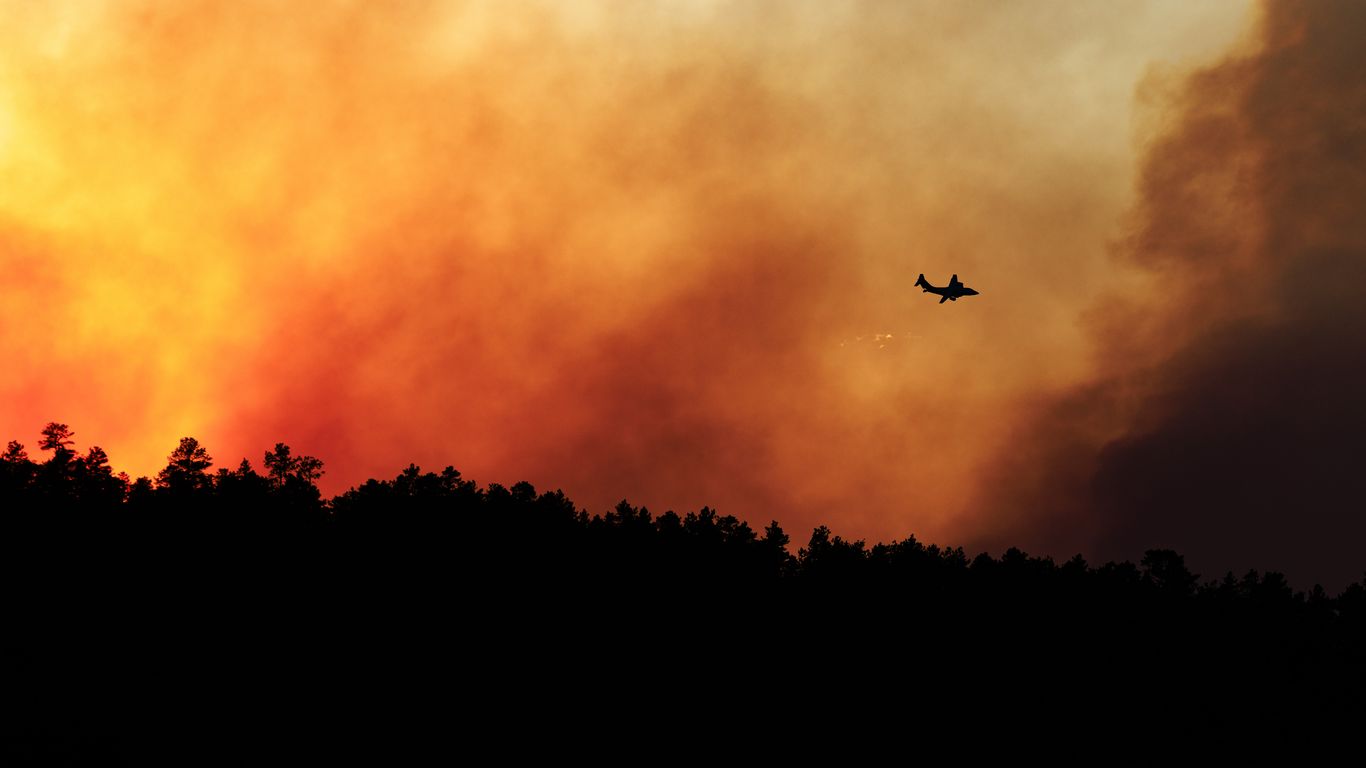
Extreme heat, drought, and dangerous fire weather are increasing the risk of wildfires across the Western US. Millions of Americans celebrating Independence Day face fireworks restrictions due to the high risk of fires.
Extreme heat, drought, and dangerous fire weather are raising wildfire risks across the US West heading into the July 4 weekend. Millions of Americans celebrating Independence Day face fireworks restrictions as officials warn that a single spark could ignite fast-moving wildfires in areas already strained by extreme heat and drought. Mandatory evacuation orders are in effect in parts of Utah and Colorado due to massive blazes in those states.
The National Weather Service warns of 'dangerous, record-breaking heat' continuing across the central and eastern US, with the most intense heat shifting east through Independence Day weekend. Heat indexes of up to 115°F are possible, and temperatures are set to hit 105°F or higher in Washington, D.C., this weekend. Widespread drought conditions have fueled an unusually active wildfire season in Florida.
Several areas of the West and Great Plains are in extreme or exceptional drought, which, combined with recent heat waves, has increased the likelihood of wildfires. Utah officials report that more than 300,000 acres have burned this season. The Cottonwood Fire alone has burned more than 92,000 acres. Two other major fires near Eureka have burned about 70,000 acres combined.
Counties nationwide have issued July 4 fireworks bans to reduce the risk of fires during July 4 celebrations. Fire danger is elevated nationwide, with at least 49 large fires burning across 13 states as of Thursday, per the National Interagency Fire Center. Conditions are particularly dangerous across the Four Corners and the Great Basin.
Go Deeper
What is causing the elevated wildfire risk?
The combination of extreme heat, drought, and dangerous fire weather is increasing the risk of wildfires across the Western US. Climate change is also a key driver in increasing the risk and extent of wildfires in the western United States.
Which states are most affected by wildfires?
Utah, Colorado, New Mexico, Nevada, and Oregon are among the states most affected by wildfires, with major topsoil moisture deficits and red flag warnings in effect.
How many acres have burned in Utah this season?
More than 300,000 acres have burned in Utah this season, with the Cottonwood Fire alone burning over 92,000 acres.
What is being done to reduce the risk of fires during July 4 celebrations?
Counties nationwide have issued July 4 fireworks bans to reduce the risk of fires during July 4 celebrations. The U.S. Consumer Product Safety Commission advises Americans to never use homemade fireworks and always keep water nearby.
What is the forecast for wildfire activity?
More wildfire activity is possible if prolonged extreme heat worsens drought conditions. The National Interagency Fire Center reports that wildfire activity is well above average this year, with 157% of the 10-year average acreage burned through June 30.
More us
 us
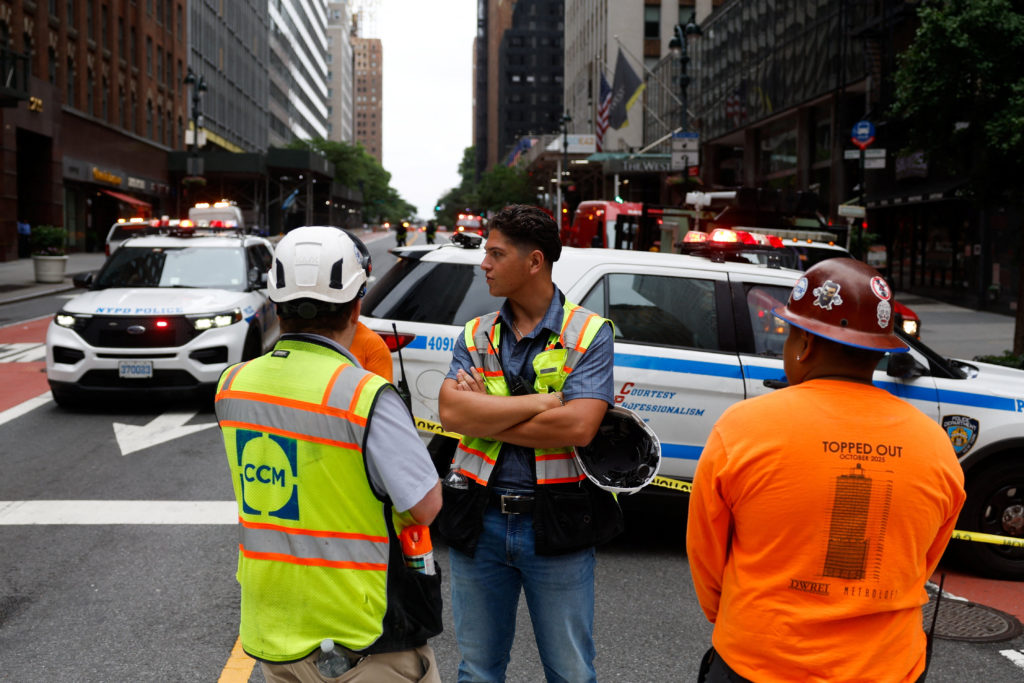
usManhattan High-Rise Deemed Unstable
A 1970s-era high-rise building in Manhattan has been deemed unstable and is at risk of collapse. The building is located near the Chrysler Building an
Jul 7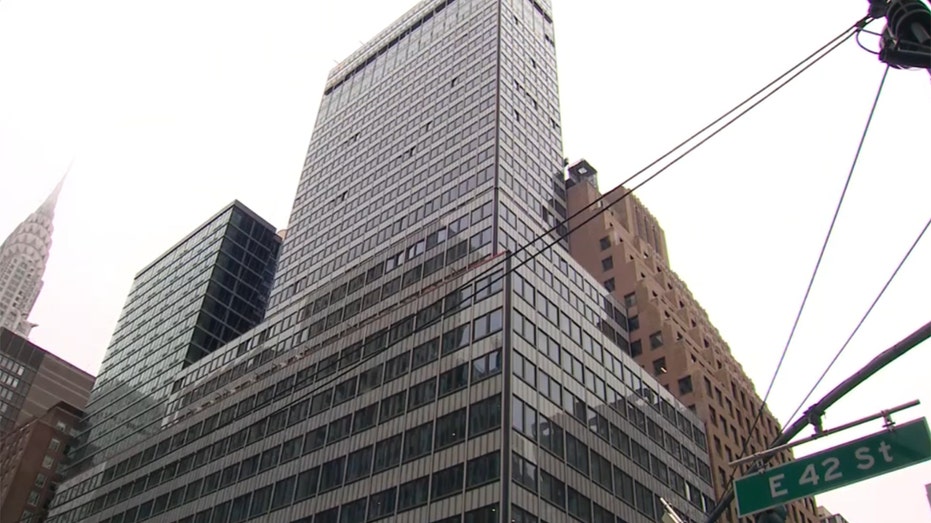 us
usManhattan Office Building Evacuated Due to Collapse Risk
A Midtown Manhattan office building was evacuated on Tuesday due to a risk of collapse. The building, which once housed Pfizer offices, prompted an em
Jul 7 us
usRoof collapses at New Jersey BJ's Wholesale Club due to heavy rain
A roof partially collapsed at a BJ's Wholesale Club in New Jersey due to heavy rain and flash flooding. No injuries were reported in the incident.
Jul 7