
Woman Diagnosed with Cobalt Poisoning from Hip Replacement
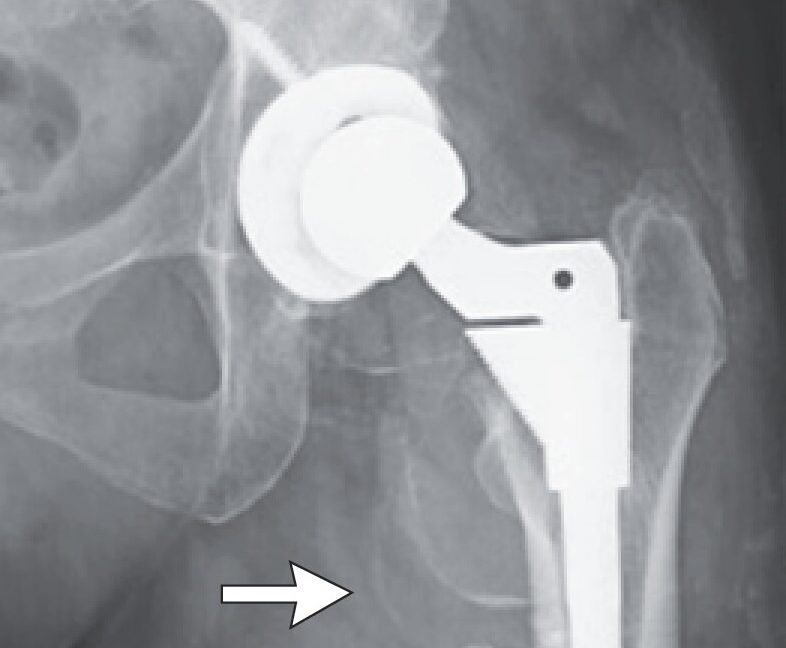
A woman's mysterious decline in health was found to be caused by cobalt poisoning from her hip replacement. Doctors discovered grey fluid and dead, metallic flesh inside her hip during an examination.
A woman's puzzling decline in health has been attributed to cobalt poisoning from her hip replacement. The woman had been experiencing unexplained symptoms, which prompted her to seek medical attention. During an examination, doctors found grey fluid and dead, metallic flesh inside her hip, indicating the presence of cobalt poisoning.
The discovery was made after the woman underwent tests to determine the cause of her symptoms. The presence of cobalt in her system was found to be the result of her hip replacement, which had been implanted to alleviate pain and improve mobility. The case highlights the potential risks associated with certain medical implants and the importance of monitoring patients for signs of adverse reactions.
The woman's diagnosis and treatment plan are currently underway. Her case serves as a reminder of the need for ongoing evaluation and monitoring of medical devices to ensure patient safety.
Go Deeper
What is cobalt poisoning?
Cobalt poisoning occurs when the body is exposed to high levels of cobalt, a metal that can be toxic in large amounts. It can cause a range of symptoms, including pain, swelling, and tissue damage.
How common is cobalt poisoning from hip replacements?
Cobalt poisoning from hip replacements is relatively rare, but it can occur in people who have certain types of metal-on-metal hip implants. The risk is higher in people who have implants with a metal ball and socket design.
What are the symptoms of cobalt poisoning?
The symptoms of cobalt poisoning can vary, but they may include pain, swelling, and inflammation in the affected area. In severe cases, it can cause tissue damage, nerve damage, and other systemic problems.
How is cobalt poisoning diagnosed?
Cobalt poisoning is typically diagnosed through a combination of physical examination, medical history, and laboratory tests. Blood tests can detect high levels of cobalt in the blood, and imaging tests can show damage to the affected area.
Can cobalt poisoning be treated?
Yes, cobalt poisoning can be treated. The treatment typically involves removing the source of the cobalt, such as the hip implant, and providing supportive care to manage symptoms and prevent further damage.
More health
 health
Uganda Reports Marburg Case
The Africa CDC has confirmed a case of Marburg in Uganda. Early reports suggest there may be another case, but the spread is thought to be localized.
Jul 2 health50+
Heat Dome to Affect Millions on East Coast and South
A heat dome is expected to cover most of the East Coast and the South during the Fourth of July weekend. This weather phenomenon will bring dangerousl
Jul 2 health50+
Danny Glover Discusses Alzheimer's Diagnosis
Danny Glover, known for his role in 'Lethal Weapon,' has shared his experience with an Alzheimer's diagnosis. He is 79 years old and continues to refl
Jul 1