
World Health Organization Backs Adding Two New Vaccines to an Ongoing Ebola Trial
On November 4 the World Health Organization recommended adding two new vaccine candidates to an existing Ebola trial in the Democratic Republic of Congo, pending each country's own approvals. The outbreak is the fastest growing in the country's history, with official figures showing more than 10,500 confirmed cases and over 5,100 related deaths.
The World Health Organization said on November 4 that expert advisers have recommended adding two new vaccine candidates to an Ebola trial already running in the Democratic Republic of Congo. The vaccines will join the study only after each country involved gives its own approval, so this is a step toward testing them, not a finished rollout.
The two shots were built for the strain behind the current outbreak, known as Bundibugyo. One, called ChAdOx1, comes from the University of Oxford and the Serum Institute of India. The other, mRNA-1469, was developed by the drugmaker Moderna. The World Health Organization says this will be the first time vaccines designed for the Bundibugyo strain are tested during an outbreak of it.
They will be added to a study named Tumaini, which means hope in Swahili. The trial uses a ring approach that vaccinates people who have been in close contact with confirmed patients, a method meant to break the chain of spread. It builds on work from the West Africa Ebola outbreak a decade ago. The country's National Institute for Biomedical Research is leading the study, with support from the World Health Organization and partner groups.
The outbreak has been severe. The European Centre for Disease Prevention and Control, citing figures reported by Congo's health ministry, said that as of early November there were 10,532 confirmed cases and 5,126 related deaths, based on data through November 1. That means nearly half of confirmed patients have died, though officials caution that the numbers are still under review as cases are confirmed and sorted.
The new candidates will join a vaccine that is already being evaluated inside Tumaini. That first shot, called Ervebo, is approved to protect against a different form of Ebola known as the Zaire strain. It has not been proven to work against Bundibugyo, but the trial is testing whether it offers any cross-protection against the strain driving this outbreak. Because no vaccine is yet proven against Bundibugyo, the two new candidates are being added to the same study.
Results from the vaccine trial are expected in early 2027, with early findings from treatment studies due sooner. The World Health Organization stresses that vaccines alone will not end the outbreak, and that steady work such as early care, contact tracing, and trust with local communities remains essential.
Go Deeper
What did the World Health Organization decide on November 4?
Its advisers recommended adding two new vaccine candidates to an existing Ebola trial, pending each country's approvals. It is a step toward testing them, not a finished rollout.
Which vaccines will be added?
ChAdOx1 from Oxford and the Serum Institute of India, and mRNA-1469 from Moderna, both aimed at the Bundibugyo strain.
How large is the outbreak?
Figures reported by Congo's health ministry and shared by the European disease agency show 10,532 confirmed cases and 5,126 related deaths through November 1, nearly half of confirmed patients, with numbers still under review.
Why not just use the existing Ebola vaccine?
Ervebo, the first vaccine being evaluated within the Tumaini trial, protects against the Zaire strain and is not proven against Bundibugyo. Researchers are testing whether it offers cross-protection while the new Bundibugyo candidates are added.
When will results come?
Vaccine trial results are expected in early 2027, with early findings from treatment studies due sooner.
More world
Russian Strike on Ukrainian Aid Center Kills at Least 40 Ahead of Peace Talks
Ukrainian officials say a Russian strike on a humanitarian aid site in the Zaporizhzhia region killed at least 40 people, with dozens still missing. T
Nov 5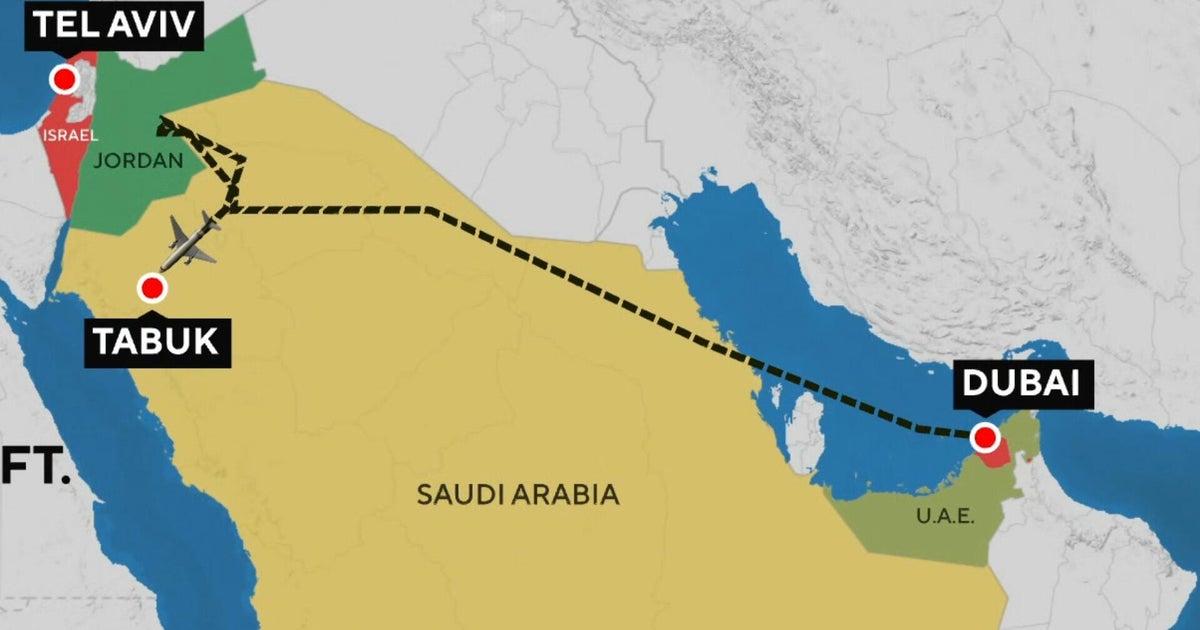 world
Flight from Dubai to Israel Makes Emergency Landing in Saudi Arabia
A flight from Dubai to Israel was diverted to Saudi Arabia after a fight broke out between two pilots. The plane made an emergency landing in Saudi Ar
Sep 30 world
Trump and Tech Firms Sign AI Development Accord
President Trump announced that he and leaders of top tech firms have signed a voluntary accord on AI development. The accord includes internal and ext
Sep 30