Fishing
Fishing is calm, social, and easy on the body, and a local pond is often all you need. It is one of the finest excuses to spend a morning by the water.
What you need to start
- A rod and reel combo
- A small tackle selection
- A fishing license for your state
- A folding chair
At a glance
Your learning path
Three stages, taken at your own pace. Start at the top, get comfortable, then move down as you grow. There is no rush, and no wrong place to begin.
Start here. These four short videos cover the gear, the knot, the cast, and an easy first catch, so you can get a line in the water this week with confidence.
Basic Fishing Gear | Fishing for Beginners
Take Me Fishing3 Great Fishing Knots in 5 Minutes! Improved Clinch, Uni-Knot & Non-Slip Loop
L.L.BeanHow To Cast a Spinning Rod & Reel for Beginners
Chuck Pippin (Chuck Pippin Fishing)Catch Bluegill Fast with This Ultralight Setup
David CanterburyNow that you can catch a fish, let's catch more of them. These videos help you choose bait, read the water, and target popular fish like bass and trout, plus how to clean your catch for the table.
LIVE BAIT vs ARTIFICIAL - Which Lure or Bait Will Catch More Fish?
Realistic FishingReading Trout Waters - How To Find Fish
Orvis Guide to Fly FishingBeginner's Guide to Bass Fishing: Essential Gear and Techniques
Bassresource - The Ultimate Bass Fishing ResourceTROUT FISHING 101 - Beginners Guide To SUCCESS!
Addicted FishingHow to Fillet a Fish, How to Clean a Fish
Captain CodyReady to go deeper? These cover fly fishing, finer lure work, targeting specific species, using electronics to find fish, and fishing from the surf or a boat.
Basics of Fly Fishing With Tom Rosenbauer
The New Fly FisherSwim Jig Tricks For Bass! Everything You Need To Know! (Beginner To Advanced)
TacticalBassinHow To Catch Catfish From The Bank | Catfishing Bait, Rigs, & Tips!
Mystery Tackle BoxHow to Read a Fishfinder - What to Look For (Fish Finder Basics)
FlukemasterHow to Surf Fish: Learn Surf Fishing for Beginners
Tailored TackleWhy fishing is wonderful after 50
Fishing is one of the most rewarding ways to spend time after 50. It gets you outdoors and near the water, where the fresh air and quiet have a real calming effect. You set your own pace, there is no rushing and no scoreboard, just a line in the water and time to think. It can be wonderfully social, shared with grandchildren, a spouse, or a fishing buddy, or perfectly solitary when you want a peaceful morning to yourself. The gear is gentle on the body, you can fish sitting down from a bank, dock, or pier, and every outing brings a little anticipation. Best of all, it costs little to start and rewards patience more than strength.
Your first month, week by week
Get a license and a simple spinning rod-and-reel combo. Watch the gear and casting videos, then practice casting in your yard or a nearby park with a practice weight tied on. Learn just one knot, the improved clinch, until you can tie it without thinking.
Head to a local pond or lake stocked with panfish like bluegill. Use a worm under a bobber and small hooks. The goal this week is simply to feel a bite and land your first fish. Panfish are forgiving and quick to bite, which makes them perfect for building confidence.
Branch out a little. Try a small lure or a different spot, and pay attention to where the fish are holding, near weeds, docks, drop-offs, or shade. Bring a folding chair and make a relaxed morning of it. Start a small notebook of what worked and where.
Keep a fish if regulations allow and learn to clean it, or simply practice catch-and-release with care. Consider visiting a local bait shop to ask about good nearby spots, and look into a fishing club or group so you have people to learn from and fish with.
Common mistakes to avoid
- Tying a weak or wrong knot, so the fish snaps off at the worst moment. Fix it by learning one reliable knot, the improved clinch, and tying it slowly and wetting the line before you pull it tight.
- Using line that is far too heavy and stiff for the fish you are after. Fix it by spooling 6 to 10 pound line for panfish, trout, and bass, which casts farther and gets more bites.
- Fishing the wrong spots, in open featureless water where few fish hold. Fix it by casting near structure, weeds, fallen trees, docks, drop-offs, and shade, where fish actually feed and hide.
- Fishing without a valid fishing license. Fix it by buying one online or at a bait shop before you go, as licenses are inexpensive and the fines for skipping one are not.
- Setting the hook too hard and yanking the bait away, or too softly and missing the fish. Fix it with a firm, smooth lift of the rod the moment you feel weight, no violent jerking needed.
- Giving up on a spot too quickly. Fix it by slowing down, fishing patiently, and varying your bait and depth before you decide the fish are not there.
Make it easier on your body
Simple ways to keep fishing comfortable and safe with arthritis, low vision, or limited mobility.
- Many lakes, parks, and piers now have wheelchair-accessible fishing platforms and paved paths, so you can fish comfortably without climbing over rough ground. Call ahead or check your state parks website to find them.
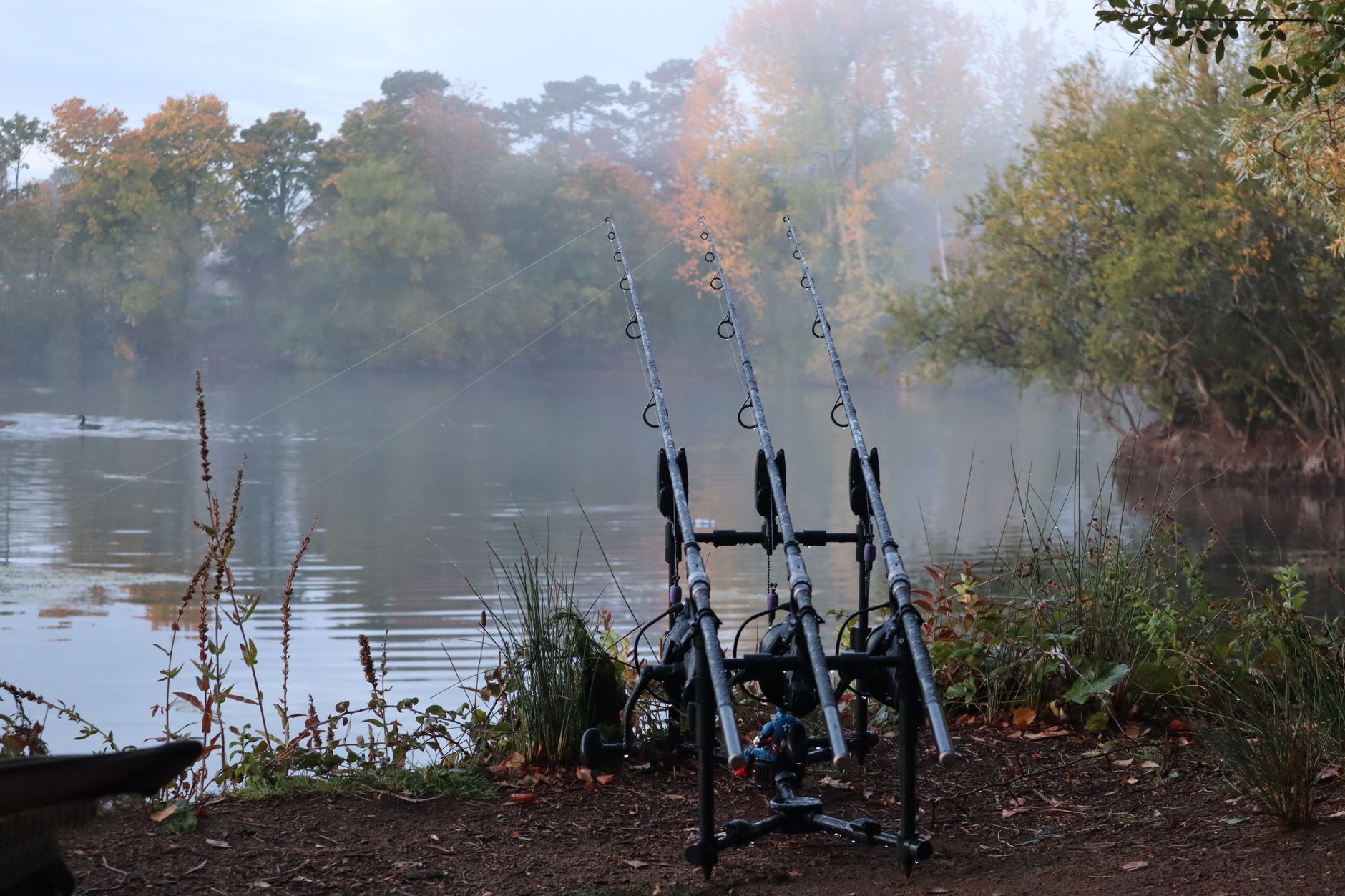
- A rod holder, the kind that clamps to a railing or sticks in the ground, lets you fish without gripping the rod the whole time, which is a big relief for tired hands and shoulders.
- Choose a lightweight rod and an easy spincast reel with a simple push-button. They reduce hand strain and are far easier to use than open spinning reels if you have arthritis or limited grip.
- Bring a comfortable folding chair or a padded bucket seat so you can fish sitting down from the bank, dock, or pier for as long as you like.
- Bait-threading tools, hook removers, and easy-grip pliers do the fiddly work for arthritic hands and protect your fingers, and a magnetic or larger lure makes tying on easier for low vision.
- A small rolling cart carries your gear, chair, and cooler from the car to your spot in one trip, so you save your energy for the fishing.
Words you'll hear
- Tackle
- A general word for your fishing gear, hooks, lines, weights, lures, and bobbers, usually kept together in a tackle box.
- Lure
- An artificial bait made of plastic, metal, or feathers, designed to look and move like prey and fool a fish into biting.
- Bait
- Real food used to attract fish, such as worms, minnows, or bits of dough, threaded onto the hook.
- Cast
- The act of throwing your line and bait out into the water using the rod and reel.
- Spinning reel
- A popular, beginner-friendly reel that hangs below the rod and is easy to cast and control.
- Bobber
- A small float that holds your bait at a set depth and dips under the water when a fish bites, signaling you to reel in.
Where to find your people
- Local bait and tackle shops are gold mines for friendly advice, current fishing reports, and the best nearby spots, and the folks behind the counter love to talk fishing.
- Fishing clubs and angler associations welcome new members of every age, host group outings, and pair beginners with experienced mentors.
- State parks, public lakes, and stocked community ponds are where many local anglers gather, especially on stocking days, making them easy places to meet people.
- Online fishing forums and local Facebook groups let you ask questions, share photos, and find people fishing the same waters you are.
- Senior centers and senior-focused fishing groups often organize relaxed group trips, which are a great way to fish, socialize, and make new friends close to home.
Start learning Fishing
Sign up for our free, friendly lessons and we will help you take the first step. Tell us where you are starting from and we will meet you there.