Gardening
Gardening gets you outside, keeps you moving at your own pace, and rewards you with flowers and food. Even a few pots on a patio can lift your spirits.
What you need to start
- A hand trowel and gloves
- Potting soil
- A few seeds or starter plants
- A watering can
At a glance
Your learning path
Three stages, taken at your own pace. Start at the top, get comfortable, then move down as you grow. There is no rush, and no wrong place to begin.
If you have never grown a thing, start right here. These walk you through your very first pots and beds, one step at a time, so you get an early win and the confidence to keep going.
How to Start Your First Garden (Complete Guide)
Epic GardeningThe Ultimate Guide to Starting a Garden from Scratch for Beginners
Organic Backyard GardeningHow to Start a Garden in 8 Simple Steps
Growing In The GardenAbsolute Beginner's Guide to Starting a Vegetable Garden
Scott HeadOnce your first plants are thriving, these help you grow more reliably: richer soil, smarter watering and feeding, and raised beds that are far kinder to your back and knees.
How to Fill, Fertilize, Plant and Mulch a Raised Bed, Start to Finish
Epic GardeningHow to Fill a Raised Bed and Save 60%+ on Soil Costs
Epic GardeningHow to Fertilize with Compost
CaliKim Garden & HomeNew Vegetable Garden: How to Get Started
GrowVegCompost Made Easy for Beginners, Small and Large Gardens
CaliKim Garden & HomeReady to go further? Composting mastery, no-dig beds that mean far less digging, pruning fruit trees, saving your own seeds, and propagating brand-new plants for free.
The Ultimate Compost Masterclass with Charles Dowding
GrowVegNo-Dig Gardening Masterclass with Charles Dowding
GrowVegHow to Prune Young Fruit Trees
Gardener ScottHow to Start Saving Seeds from Your Vegetable Garden
Huw RichardsPlant Propagation Made Easy: 6 Cuttings You Can Grow at Home
Waardenburg Family FarmWhy gardening is wonderful after 50
Gardening is one of the few hobbies that gives back every single day. It gets you outside in the fresh air, keeps your hands and body gently moving at your own pace, and hands you something living to care for. Studies have long linked gardening with lower stress, better mood, and staying active, and you do not need a big yard or a strong back to enjoy it. A few pots by the door count just as much as an acre. Best of all, it rewards patience instead of speed, which is exactly the kind of win that feels wonderful at this stage of life.
Your first month, week by week
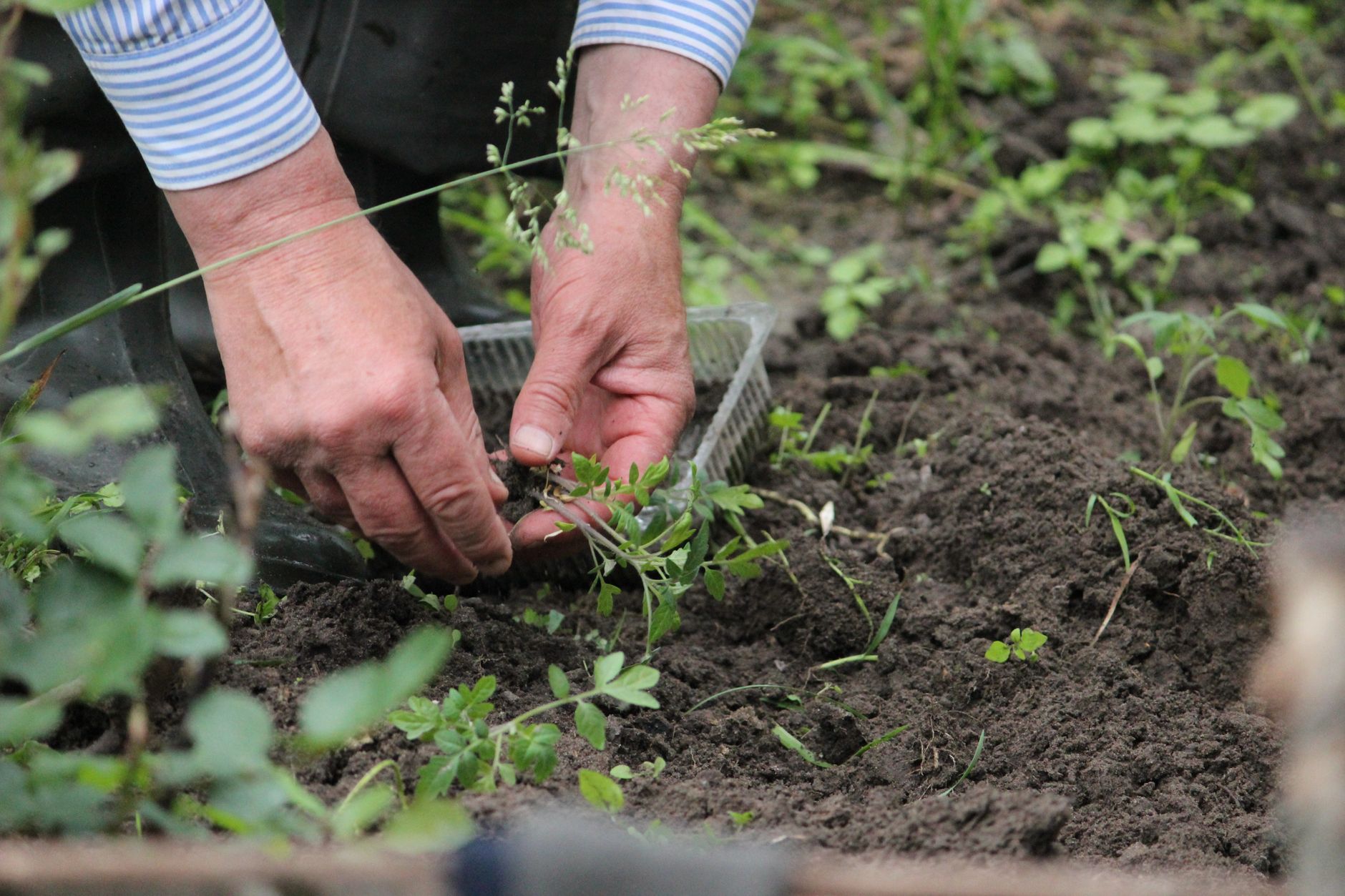
Pick one sunny spot and start tiny. Get a couple of pots, a bag of potting mix, and one or two starter plants you already like, such as basil, a tomato, or marigolds. Plant them and put them where you will see them every day.
Build the watering habit. Check the soil with a finger each morning; water when the top inch feels dry. Notice how your plants look in sun and shade. This is the week gardening becomes part of your routine.
Feed and tidy. Add a little all-purpose plant food, pinch off any dead leaves or spent flowers, and add a thin layer of mulch to hold moisture. Your plants will visibly perk up.
Grow your confidence. Add one or two more plants, or start a small herb pot for the kitchen. Take a photo to compare with Week 1. You are officially a gardener, and ready for the intermediate videos above.
Common mistakes to avoid
- Overwatering. More patio pots and houseplants die from too much water than too little. Let the top inch of soil dry out before watering again.
- Starting too big. A huge bed in spring becomes a chore by July. Start small, succeed, then expand.
- Using garden soil in pots. Bagged potting mix drains properly; heavy garden soil suffocates roots in containers.
- Ignoring sunlight. Most vegetables and flowers need six or more hours of direct sun. Watch your space before you plant.
- Planting the wrong season. Check your local frost dates so tender plants do not go outside too early.
- Skipping mulch. A thin layer of mulch cuts your watering, blocks weeds, and protects roots from heat.
Make it easier on your body
Simple ways to keep gardening comfortable and safe with arthritis, low vision, or limited mobility.
- Raised beds and tall planters bring the garden up to waist height, so there is no bending or kneeling. Many are sold ready to assemble.
- A padded garden kneeler that flips into a seat saves your knees and gives you a sturdy place to push up from.
- Choose ergonomic, lightweight tools with thick, soft grips. They are far gentler on arthritic hands than old metal-handled tools.
- Set up a simple drip-irrigation or soaker hose on a timer so you never have to haul a heavy watering can.
- For low vision, use large-print or color-coded plant labels, brightly colored tool handles so they are easy to find, and grow fragrant plants you can enjoy by scent and touch.
- Garden in short, frequent sessions rather than long ones, keep a phone or alert device in your pocket, and work in the cooler morning or evening hours.
Words you'll hear
- Annual
- A plant that lives for one growing season, such as a tomato or marigold. You replant it each year.
- Perennial
- A plant that comes back on its own year after year, such as a hosta, daylily, or rhubarb.
- Hardiness zone
- A number from the USDA map telling you which plants survive your winters. Knowing yours takes the guesswork out of buying plants.
- Deadheading
- Pinching or snipping off faded flowers so the plant keeps blooming instead of making seeds.
- Mulch
- A protective layer, such as bark, straw, or compost, spread on the soil to hold moisture and block weeds.
- Potting mix
- A light, fluffy soil made for containers. It is not the same as garden soil and is the right choice for pots.
Where to find your people
- Your county Master Gardener program, run through the local university extension office, offers free or low-cost advice and friendly classes.
- Local independent nurseries and garden centers often host weekend talks and are happy to answer beginner questions.
- Community gardens give you a plot, shared tools, and neighbors who love to share cuttings and tips.
- Garden clubs and senior-center gardening groups are a warm way to make friends who share the hobby.
- Online, the r/gardening community and channels like Epic Gardening and GrowVeg are encouraging places to ask questions.
Start learning Gardening
Sign up for our free, friendly lessons and we will help you take the first step. Tell us where you are starting from and we will meet you there.