
Cancer Rates Increase in Younger Adults
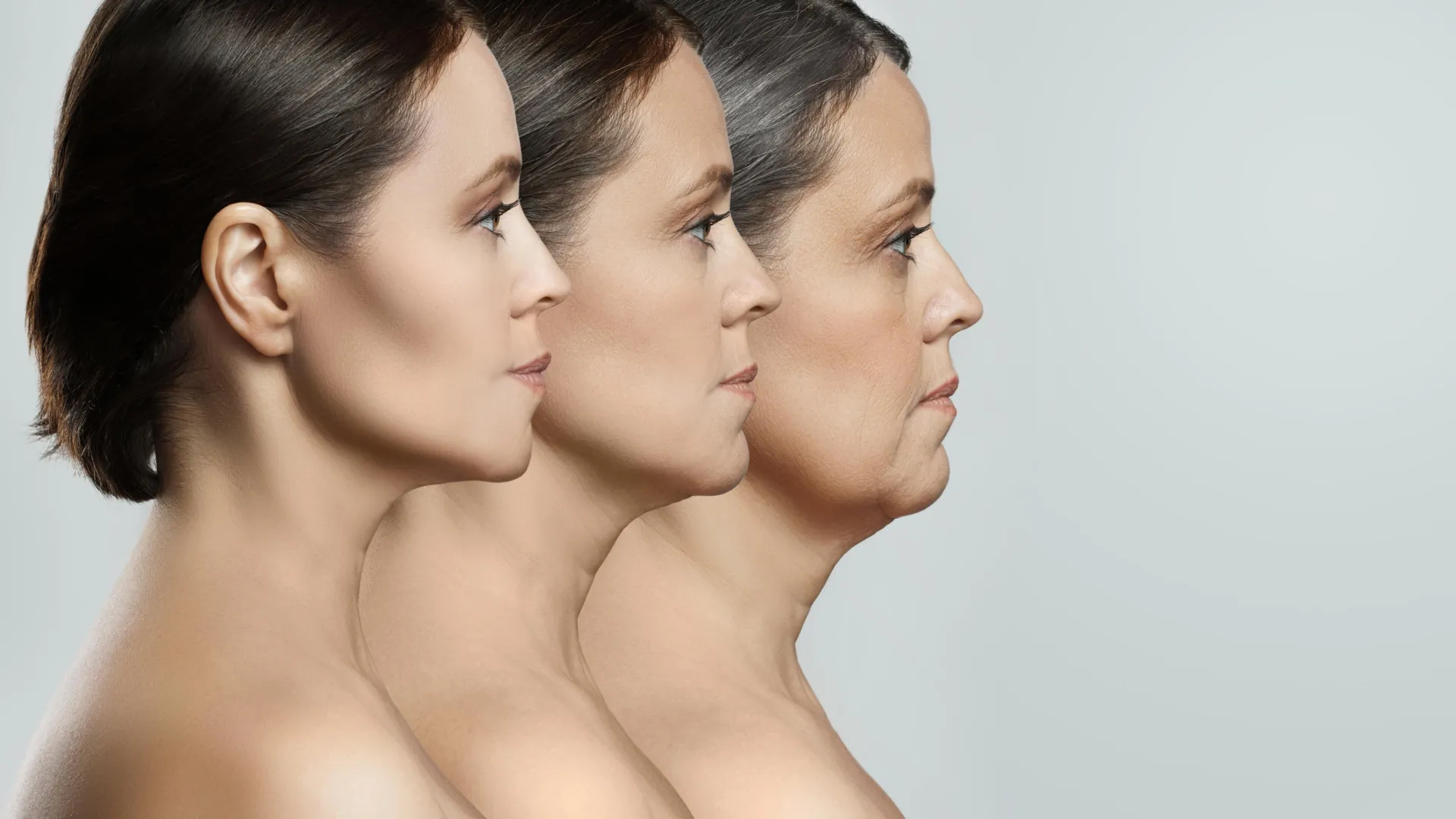
Research suggests that accelerated biological aging may contribute to the rising cancer rates in adults under 55. Scientists found a link between greater biological age acceleration and a higher risk of early onset cancers in younger generations.
Cancer rates are increasing in adults under 55. A new study suggests that faster biological aging may be a factor in this trend. The research found that people from more recent generations tend to have bodies that are biologically older than those of earlier generations at the same chronological age. This means that a 40-year-old today may have a biological age similar to that of a 50-year-old from an earlier generation. The study also found that greater biological age acceleration is linked to a higher risk of early onset cancers. Specific patterns were seen for lung, gastrointestinal, uterine, and colorectal cancers. The exact causes of this accelerated biological aging are not yet fully understood, but the findings suggest that it may be an important factor in the rising cancer rates among younger adults. The study's results have significant implications for our understanding of cancer development and prevention. By identifying the factors that contribute to accelerated biological aging, researchers may be able to develop new strategies for reducing the risk of cancer in younger adults. The research highlights the need for further study into the causes and consequences of accelerated biological aging. As the population continues to age, understanding the factors that contribute to cancer development will be crucial for developing effective prevention and treatment strategies. The study's findings are a reminder that cancer can affect anyone, regardless of age, and that further research is needed to understand the complex factors that contribute to its development.
Go Deeper
What is biological aging?
Biological aging refers to the rate at which our bodies age, which can be different from our chronological age. It's influenced by a combination of genetic, environmental, and lifestyle factors.
How is biological aging linked to cancer?
Research suggests that accelerated biological aging may increase the risk of cancer by causing damage to our cells and tissues over time. This can lead to the development of cancer-causing mutations and tumors.
Which types of cancer are most affected by biological aging?
The study found that lung, gastrointestinal, uterine, and colorectal cancers were specifically linked to greater biological age acceleration. However, it's likely that other types of cancer are also affected by biological aging.
Can biological aging be slowed or reversed?
While it's not possible to completely reverse biological aging, research suggests that certain lifestyle factors, such as a healthy diet and regular exercise, may help slow it down. Additionally, some studies have explored the potential of certain medications and therapies to slow or reverse biological aging.
What are the implications of this research for cancer prevention?
The study's findings highlight the need for further research into the causes and consequences of accelerated biological aging. By understanding the factors that contribute to biological aging, researchers may be able to develop new strategies for reducing the risk of cancer in younger adults.
More health
 health
CDC Releases Latest Report on Youth Behavior
The Centers for Disease Control and Prevention has released its latest report on youth behavior, focusing on diet, sleep, and mental health. The repor
Sep 23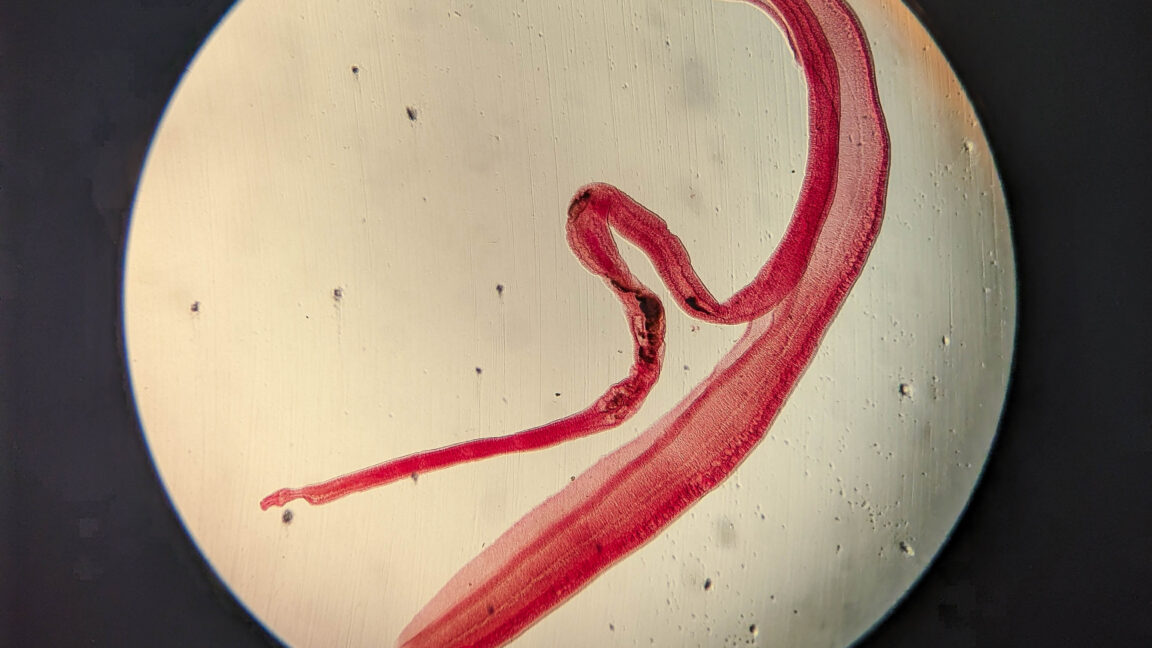 health
Woman Diagnosed with Brain Worm Infection After Lab Test
A woman has been diagnosed with a brain worm infection after a lab test showed eggs with tails. The diagnosis was made after the eggs were found to ha
Sep 23 health50+
Mediterranean Diet Linked to Higher Levels of Heart and Brain Protective Proteins
A study found that older adults who closely followed the Mediterranean diet had higher levels of tiny proteins that protect the heart and brain. The d
Sep 23