
CDC Reports Nearly 30,000 Cyclospora Cases This Summer
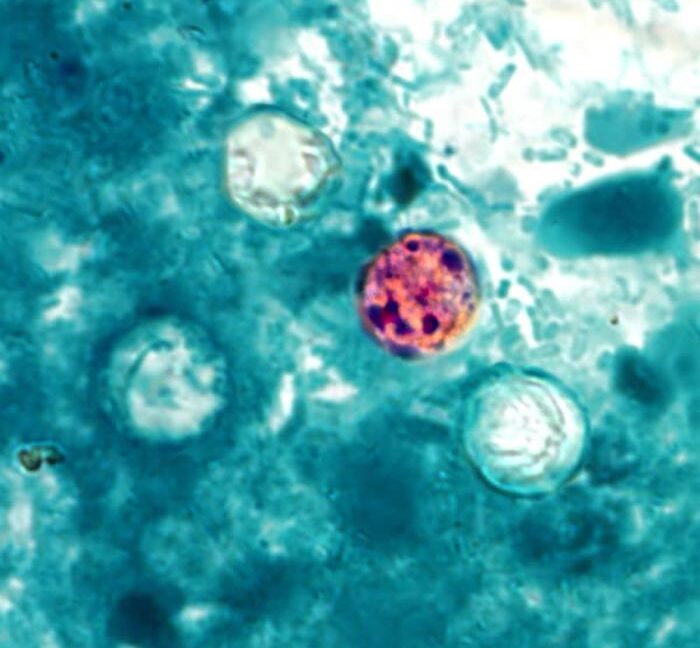
The Centers for Disease Control and Prevention has reported nearly 30,000 confirmed and probable Cyclospora cases this summer. This number represents a significant outbreak of the illness.
The Centers for Disease Control and Prevention has tallied nearly 30,000 confirmed and probable cases of Cyclospora this summer. This outbreak is one of the largest on record.
The CDC typically tracks and investigates outbreaks of Cyclospora, a parasite that can cause intestinal illness. The agency works to identify the source of the outbreak and provide guidance to the public on how to prevent infection.
According to the CDC, Cyclospora is usually spread through contaminated food or water. The agency recommends that people take steps to protect themselves, such as washing their hands frequently and avoiding contaminated food and water.
Go Deeper
What is Cyclospora?
Cyclospora is a parasite that can cause intestinal illness. It is usually spread through contaminated food or water.
How can I protect myself from Cyclospora?
You can protect yourself by washing your hands frequently, avoiding contaminated food and water, and following proper food safety guidelines.
What are the symptoms of Cyclospora?
The symptoms of Cyclospora can include diarrhea, abdominal cramps, and fatigue. If you are experiencing these symptoms, you should seek medical attention.
How does the CDC track Cyclospora outbreaks?
The CDC tracks Cyclospora outbreaks by monitoring reports of illness from healthcare providers and investigating clusters of cases to identify the source of the outbreak.
Is Cyclospora a common illness?
Cyclospora is not typically a common illness in the US, but outbreaks can occur when contaminated food or water is consumed. This summer's outbreak is one of the largest on record.
More health
 health50+
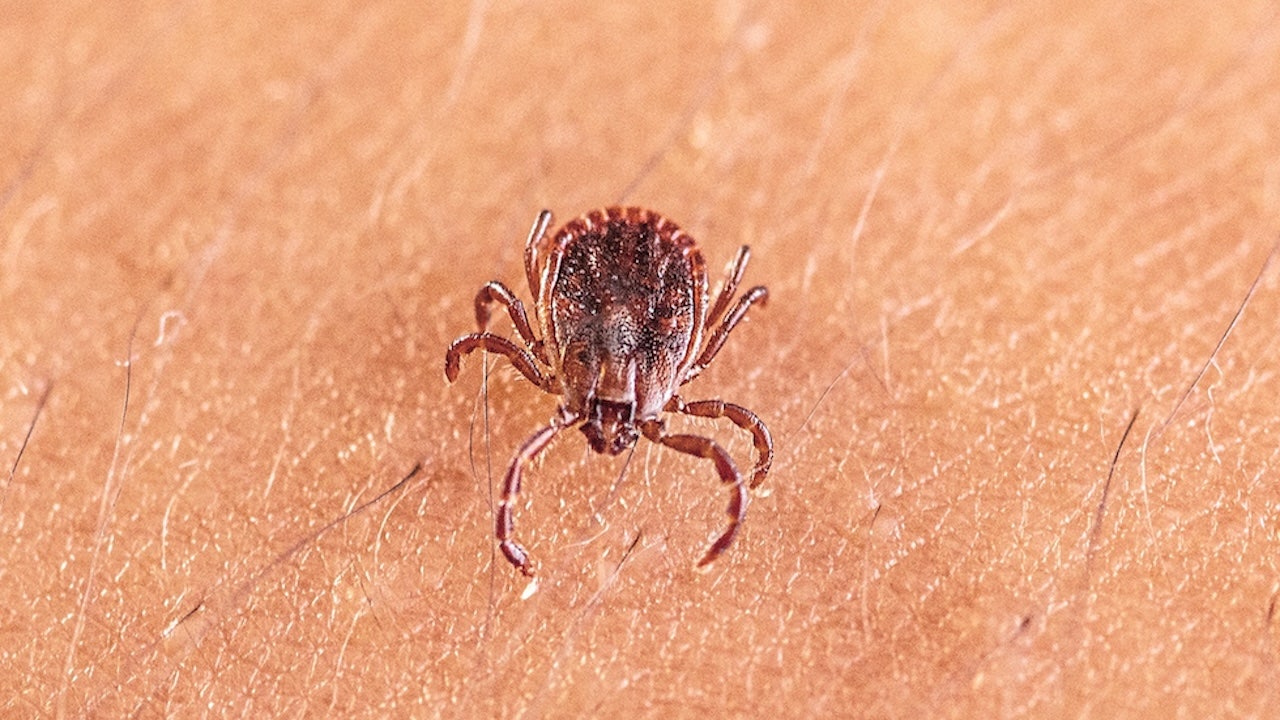
Scientists identify new tick-borne virus after testing thousands of patients in China
Chinese researchers identified Asian longhorned tick nairovirus in 10.4% of 3,163 patients bitten by ticks. The virus can cause flu-like illness, low
Sep 5 health50+
Higher blood xylitol levels linked to greater heart attack and stroke risk in study
A study presented at the ESC Cardiology Congress followed more than 17,700 Canadian and British adults and linked higher blood xylitol levels to more
Sep 5 health50+
WHO adds seven dementia risk factors including stroke, sleep problems and air pollution
The World Health Organization updated its dementia risk-reduction guidelines with seven added factors: stroke, traumatic brain injury, vision impairme
Sep 5