
Scientists identify new tick-borne virus after testing thousands of patients in China
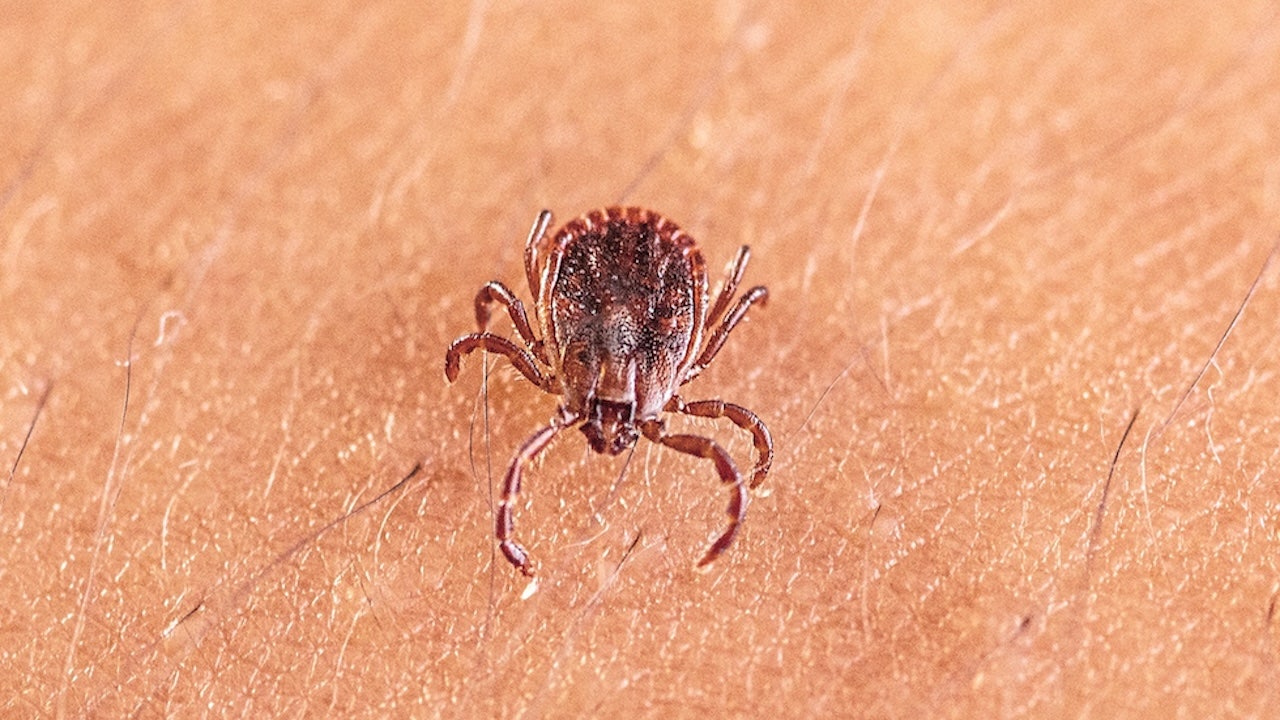
Chinese researchers identified Asian longhorned tick nairovirus in 10.4% of 3,163 patients bitten by ticks. The virus can cause flu-like illness, low platelets and lab signs of liver injury. Findings appeared in the New England Journal of Medicine and were covered by Fox News.
BEIJING - Scientists in China have identified a previously unknown tick-borne virus that can cause flu-like illness, fatigue and gastrointestinal symptoms, Fox News reported, citing a study in the New England Journal of Medicine.
Researchers named the pathogen Asian longhorned tick nairovirus, or ALTNV. It belongs to the orthonairovirus group. Lab work also linked the virus to thrombocytopenia, a drop in blood platelets, and to laboratory signs of liver-cell injury or inflammation.
Teams at the State Key Laboratory of Pathogen and Biosecurity in Beijing found ALTNV in 10.4% of 3,163 patients who had been bitten by ticks. Since 2009, Chinese investigators have tracked unusual illnesses that include severe fever with thrombocytopenia syndrome. Many earlier cases tied to Dabie bandavirus, but that virus was not always the main finding when samples were rechecked.
Patients infected with both ALTNV and Dabie bandavirus were more likely to have respiratory and kidney complications. Seven of those co-infected patients, about 18.4%, died during the study period. The authors said ALTNV alone was not linked to severe bleeding or deaths in the reported analysis. Fatal outcomes clustered in people who also carried Dabie bandavirus.
Dr. Sharon Nachman, chief of pediatric infectious diseases at Stony Brook Children's Hospital in New York, told Fox News Digital that ticks carry many viruses and that labs are getting better at finding them when a first test is negative. Illness from ALTNV can look like the flu at first, with fever, muscle aches, fatigue and sometimes breathing symptoms. Supportive care is the usual approach because effective antivirals for many tick viruses remain limited. Antibiotics do not treat viruses.
Nachman advised long pants tucked into socks, tick repellent on adult skin or on children's clothing, and prompt removal after hiking or outdoor time. The longer a tick stays attached, the higher the chance it passes infection. The Asian longhorned tick is not yet established as a U.S. driver of this specific virus in the report Fox News summarized, but American ticks already spread other diseases. People with immune compromise or older age often fare worse with the same pathogen than healthy adults.
Anyone with fever, unexplained bruising or severe fatigue after a known tick bite should contact a clinician and mention the exposure. Differential diagnosis matters in regions where several tick viruses circulate together.
Go Deeper
What is the new virus called?
Asian longhorned tick nairovirus, or ALTNV. It is an orthonairovirus identified in Chinese patients after tick bites.
How common was it in the study?
Researchers found it in 10.4% of 3,163 patients who had been bitten by ticks.
What symptoms were linked to ALTNV?
Flu-like illness, fatigue, gastrointestinal symptoms, low platelets and lab signs of liver injury. Co-infection with Dabie bandavirus raised respiratory and kidney risks.
Did ALTNV alone cause the reported deaths?
The study did not link ALTNV alone to severe bleeding or deaths. Fatal cases involved people also infected with Dabie bandavirus.
What should outdoor walkers do?
Use repellent, wear protective clothing, remove ticks quickly and seek care for fever after a bite. Tell the clinician about the tick exposure.
More health
 health50+
Higher blood xylitol levels linked to greater heart attack and stroke risk in study
A study presented at the ESC Cardiology Congress followed more than 17,700 Canadian and British adults and linked higher blood xylitol levels to more
Sep 5 health50+
WHO adds seven dementia risk factors including stroke, sleep problems and air pollution
The World Health Organization updated its dementia risk-reduction guidelines with seven added factors: stroke, traumatic brain injury, vision impairme
Sep 5 health50+
Pennsylvania coroner confirms measles caused death of 6-week-old infant
Lancaster County Coroner Stephen Diamantoni confirmed Friday that measles caused the death of a 6-week-old infant who also had a rare genetic conditio
Sep 5