
Higher blood xylitol levels linked to greater heart attack and stroke risk in study
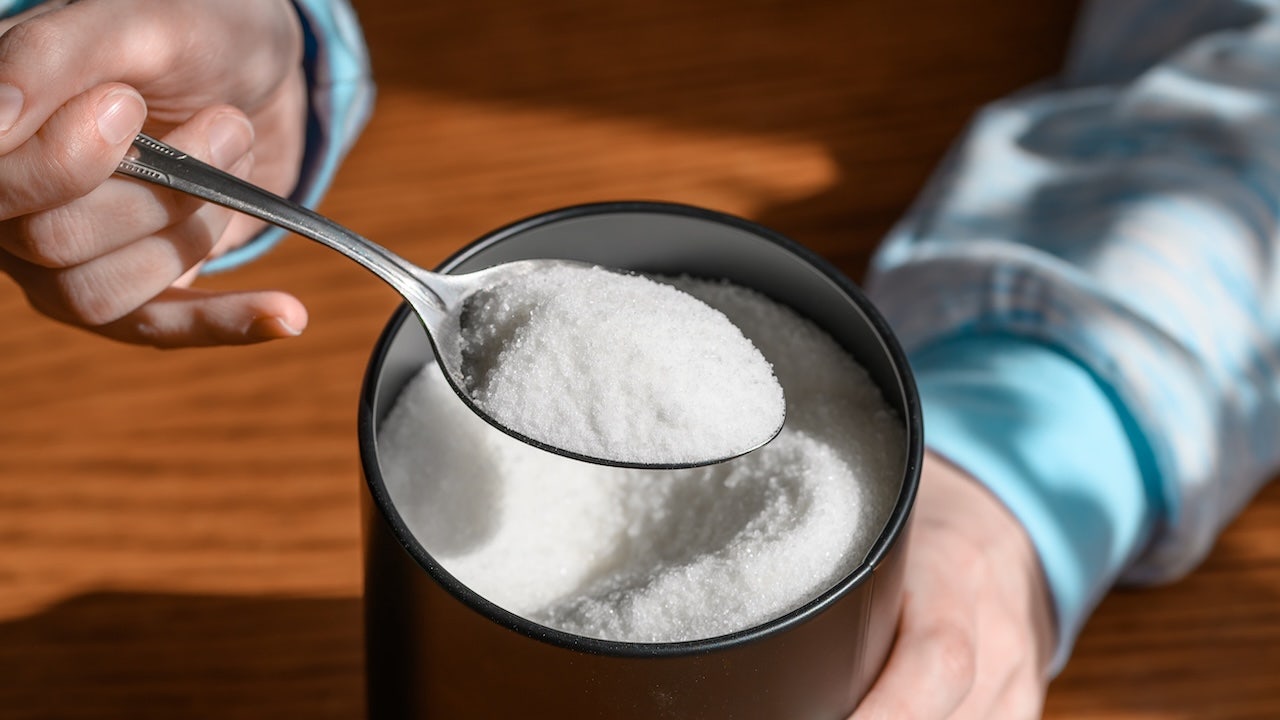
A study presented at the ESC Cardiology Congress followed more than 17,700 Canadian and British adults and linked higher blood xylitol levels to more major cardiovascular events. Canadian participants with the highest levels had a 57% higher risk over six years. Fox News covered the observational findings.
BERLIN - Adults with higher levels of xylitol in their blood had more major cardiovascular events in a large observational analysis presented at the ESC Cardiology Congress in Germany, Fox News reported.
Xylitol is a sugar alcohol used as a low-calorie sweetener in foods, drinks, chewing gum and some dental products, according to National Institutes of Health material cited in the coverage. Researchers examined two cohorts totaling more than 17,700 Canadian and British participants.
In the Canadian Longitudinal Study on Aging, people with the highest xylitol levels had a 57% higher risk of death, heart attack or stroke related to cardiovascular events over six years than people with the lowest levels. In the European Prospective Investigation into Cancer Norfolk group, those with the highest levels had an 18% greater risk of major adverse cardiovascular events over about 30 years. Both cohorts showed a dose pattern: higher blood xylitol lined up with higher event rates.
The links held after adjustment for age, gender, body mass index, high blood pressure, diabetes and lipid levels, the presenters said. Dr. Marco Witkowski of Charite University Hospital in Berlin said earlier work suggested xylitol can make platelets more prone to form clots. He noted that artificial sweeteners are often chosen as a healthier swap for sugar and are generally treated as safe by regulators, yet long-term cardiovascular data remain thin as product use grows.
The study does not prove xylitol in food causes heart attacks or strokes. Blood xylitol can also rise from the body's own glucose metabolism, so high readings do not automatically equal high dietary intake. More targeted trials are needed.
Dr. Aseem Malhotra, a London cardiologist who was not part of the study, told Fox News Digital the findings and clotting mechanism deserve serious attention. He said some patients with anxiety and palpitations improve after stopping artificial sweeteners, and he often asks patients to cut processed sugars and artificial sweeteners for six weeks.
For readers managing cholesterol, diabetes or prior heart disease, the practical step is to read labels, limit heavy daily use of xylitol-sweetened products and discuss diet with a clinician rather than panic over a stick of gum. Heart risk still rests most on blood pressure, smoking, lipids, activity and diabetes control.
Go Deeper
What is xylitol?
A sugar alcohol used as a low-calorie sweetener in foods, drinks, gum and some dental products.
How big was the study?
More than 17,700 adults across Canadian and British cohorts, with follow-up spanning about six years in one group and about 30 years in the other.
What risk difference was reported?
In the Canadian cohort, the highest xylitol group had a 57% higher risk of major cardiovascular events over six years versus the lowest group. The British cohort showed an 18% higher risk over longer follow-up.
Does this prove xylitol causes heart attacks?
No. It is observational. Blood xylitol can also come from normal metabolism, not only from diet.
What should consumers do?
Limit heavy daily use of xylitol-sweetened products if concerned, and talk with a clinician. Keep focusing on proven heart risk factors.
More health
 health50+
Scientists identify new tick-borne virus after testing thousands of patients in China
Chinese researchers identified Asian longhorned tick nairovirus in 10.4% of 3,163 patients bitten by ticks. The virus can cause flu-like illness, low
Sep 5 health50+
WHO adds seven dementia risk factors including stroke, sleep problems and air pollution
The World Health Organization updated its dementia risk-reduction guidelines with seven added factors: stroke, traumatic brain injury, vision impairme
Sep 5 health50+
Pennsylvania coroner confirms measles caused death of 6-week-old infant
Lancaster County Coroner Stephen Diamantoni confirmed Friday that measles caused the death of a 6-week-old infant who also had a rare genetic conditio
Sep 5